Best Fishing Gear for Lure Fishing: Rods, Reels & Line Tips
Whether you’re just starting or upgrading your tackle, understanding the basics of fishing rods, fishing reels, and fishing line is essential for success in lure fishing across freshwater and saltwater waters in the US and Europe. This comprehensive guide breaks down what every angler needs to know—from gear types and how they work together to practical buying advice and real‑world examples.
What Is Fishing Gear and Why It Matters
When anglers talk about their setup, they’re usually referring to three core components:
- Fishing Rods – the long, flexible poles that give you reach and leverage
- Fishing Reels – the mechanism that stores and retrieves your fishing line
- Fishing Line – the connection between you and the fish
Each has a role to play: rods give cast distance and sensitivity, reels control line and drag, and line affects sensitivity, strength, and lure presentation. Getting these right is crucial whether you’re a novice learning the ropes or an experienced angler refining your setup.
A well‑matched rod, reel, and line combo helps you cast more confidently, feel subtle bites, and fight fish more effectively. For fishing gear for beginners, simplicity and compatibility are key—you want equipment that works well together and feels intuitive on the water.
Best Fishing Rods: How to Choose the Right One
Choosing the best fishing rod begins with understanding how different rod types influence your fishing style.
Spinning Rods – Easy to Use and Versatile
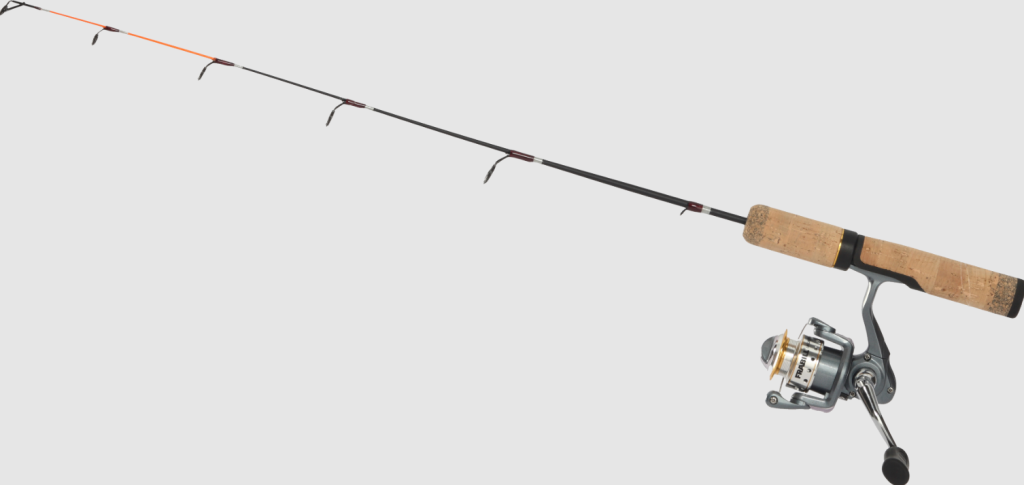
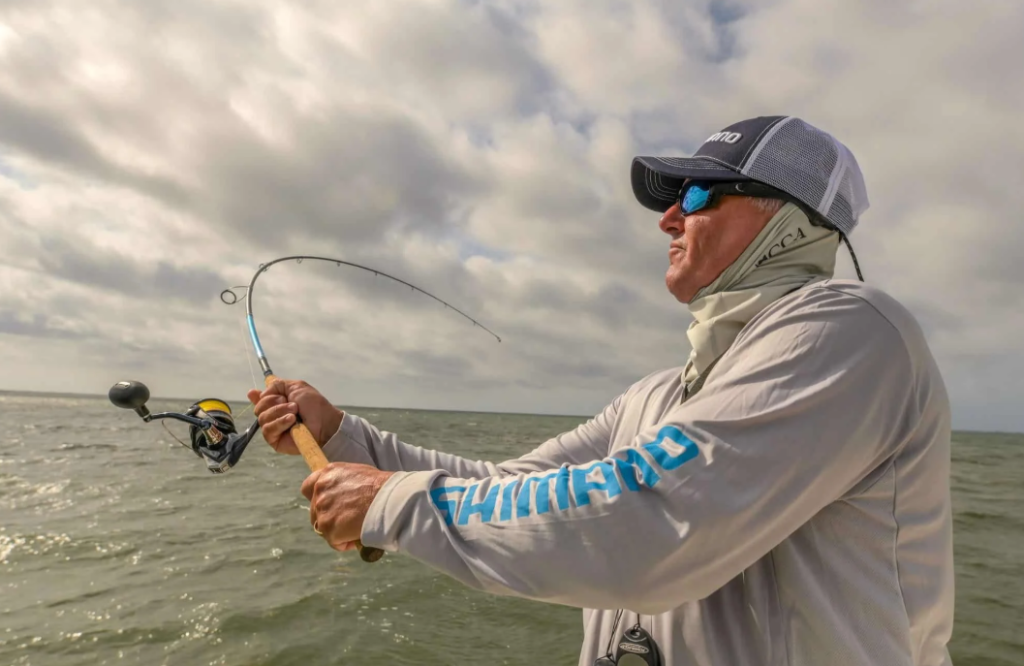
A spinning rod is one of the most popular rod types and often the best choice for beginners. This rod is paired with a spinning reel mounted beneath the rod blank and works especially well with light lines and finesse lures. Its guides are larger at the base, allowing line to flow smoothly during casts.
Spinning rods excel when fishing lighter tackle and finesse techniques like drop shots, shaky heads, light jigs, small crankbaits, and soft plastics. They’re also forgiving for new anglers who might struggle with backlash on baitcasters.
Typical Spinning Rod Specs:
- Length: 6’6″–7’6″
- Action: Medium to Medium‑Fast
- Best For: Light to medium lures, finesse presentations
Baitcasting Rods – Power and Precision
A baitcasting rod paired with a baitcasting reel sits atop the rod rather than under it. This setup gives experienced anglers more control over heavier lines and larger lures—the type often used when targeting big bass or fishing dense cover.
Baitcasting rods require more casting skill at first, but they reward the user with excellent accuracy, powerful hooksets, and superior control for heavy‑cover techniques.
Typical Baitcasting Rod Specs:
- Length: 7′–7’6″
- Action: Medium Heavy to Heavy
- Best For: Heavier lures, flipping/pitching, big fish
Spinning Rod vs Baitcasting Rod
Both rod types have their strengths, and many anglers use a combo of both:
| Feature | Spinning Rod | Baitcasting Rod |
|---|---|---|
| Ease of Use | Beginner friendly | Steeper learning curve |
| Light Lures | Excellent | Decent |
| Heavy Lures | Limited | Outstanding |
| Accuracy | Good | Excellent |
Spinning rods are typically easier to cast and handle, especially with light lines and lures. Baitcasting rods take a bit more practice but offer superior control once mastered.
Fishing Rod Buying Guide – What to Look For
When shopping for rods, consider:
- Rod Material: Graphite is light and sensitive; fiberglass is tougher and more durable.
- Action: Fast action rods bend near the tip and give quicker hooksets—ideal for lure fishing.
- Power: A medium power rod is a great all‑around choice; medium‑heavy or heavy rods better handle bigger fish and heavier lures.
- Rod Length: Longer rods cast farther; shorter rods give more control in tight spaces.
Best Fishing Reels: Top Picks for Every Angler
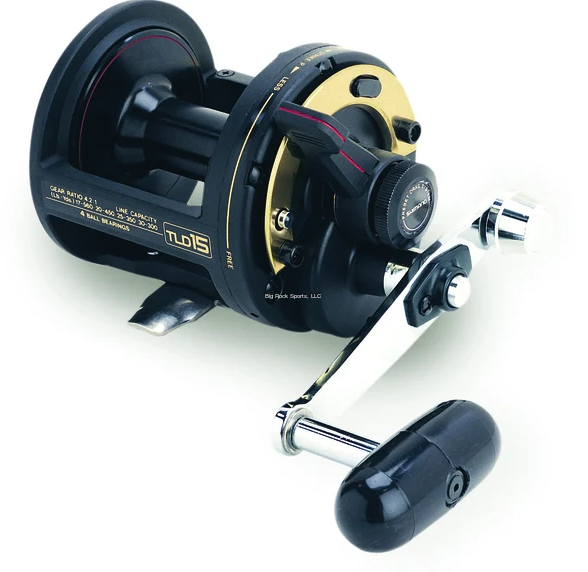
The reel you choose has a big impact on casting distance, drag performance, and how you fight fish, so picking the best fishing reel for your setup is essential. Like rods, reels come in two main styles for lure fishing—each offering different advantages in line control, accuracy, and drag power that influence how confidently you cast and how effectively you handle a hooked fish.
Spinning Reels – Beginner Friendly and Reliable
Spinning reels are ideal for anglers of all levels because their design makes casting simple and less prone to backlash. They feature a fixed spool with a rotating bail that lays line evenly back onto the reel.
Spinning reels are often paired with lighter lures and lines—perfect for trout, perch, walleye, and finesse bass applications. They’re also great for beginners because you don’t have to worry about backlash, and they deliver smooth casting with light gear.
Best Practices:
- Pair spinning reels with medium fast action spinning rods for an all‑around lure fishing setup.
- Reel sizes 2500–3000 are common for freshwater bass and panfish.
Baitcasting Reels – Power and Performance
Baitcasting reels sit on top of a baitcasting rod and allow anglers to handle heavier lines and bigger lures. They are popular among anglers targeting larger bass and fishing in thick cover because of their accuracy and power.
These reels do require more skill to cast because of the potential for backlash, but once mastered they offer very precise placement and strong drag systems for fighting big fish.
Pro Tip: Practice in an open field before hitting water to learn braking adjustments and reduce backlash incidents.
Best Fishing Lines: How to Pick the Right Line
Choosing the best fishing line can dramatically improve your performance on the water. Different line materials affect sensitivity, stretch, visibility, and abrasion resistance.
Best Fishing Line for Spinning Reels
For spinning setups, beginners will often start with monofilament line, which is easy to manage, knots well, and handles light tackle smoothly. Braided line also works great for spinning reels—especially when paired with a fluorocarbon leader for optimal sensitivity and stealth.
Braided Fishing Line Advantages
Braided line is extremely strong for its diameter and offers superb sensitivity because it has little to no stretch. This makes it great for fishing heavy cover where you need to feel every bite and push through grass and structure.
Pros:
- High strength‑to‑diameter ratio
- Excellent sensitivity
- Minimal stretch
- Large capacity on reels
Cons:
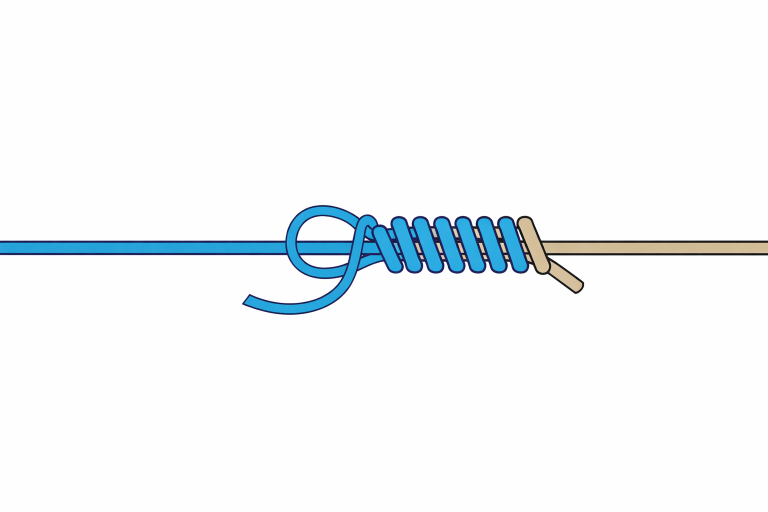
- Can be harder to knot
- More expensive than mono
Fluorocarbon Line Uses
Fluorocarbon line is nearly invisible underwater because its refractive index closely matches water. It’s also abrasion‑resistant and great for clear water or when fish are line‑shy.
Best Used For:
- Clear water presentations
- Leaders on braided mainlines
- Jigging and bottom contact baits
Monofilament Fishing Line Basics
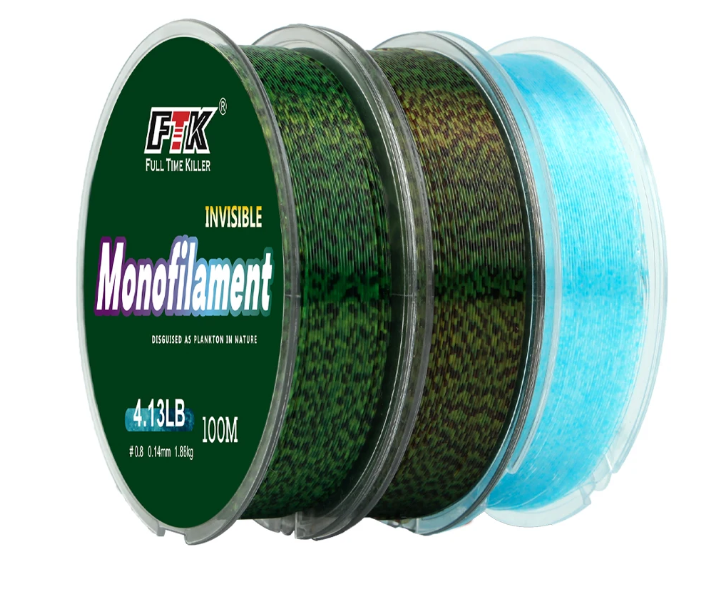
Monofilament line is the classic choice for beginners because it’s easy to tie knots with and offers shock absorption thanks to its stretch. It’s also affordable and suitable for a broad range of lure fishing techniques.
Pros:
- Easy to control and cast
- Good shock absorption
- Inexpensive
Cons:
- More stretch (less sensitivity)
- Higher memory can lead to tangles
How to Choose the Right Rod, Reel, and Line Combination
Matching your rod, reel, and line ensures you’re fishing efficiently:
- Light action spinning rods + spinning reels + monofilament line for trout and small species
- Medium action rods + spinning reels + braided mainline + fluoro leader for finesse bass fishing
- Medium heavy baitcasting rods + baitcasting reels + braided line for power and cover situations
Always check ratings for line strength and lure weight on your rod and reel to ensure compatibility and peak performance.
Tips for Maintaining and Caring for Your Fishing Gear
- Rinse rods and reels with fresh water after use, especially after saltwater outings.
- Replace line regularly if it shows wear or has been spooled for a long time.
- Check guides and reel components for damage before each trip.
Common Mistakes When Selecting Rods, Reels, and Lines
- Using heavy line on spinning reels can cause casts to fall short.
- Pairing a baitcasting reel with a rod not designed for it leads to performance issues.
- Ignoring line visibility and water clarity can reduce bite rates.
Final Tips for Your Next Lure Fishing Trip
Understand what types of fish you’re after and match your gear accordingly. A balanced setup that ties together rod, reel, and line makes casting easier, improves lure action, and boosts your confidence on the water—leading to more bites and better hookups.