Best Fishing Rod for Beginners: Complete Buying Guide
Choosing the best fishing rod for beginners can feel overwhelming. Walk into any tackle shop and you’ll see dozens of rods with different lengths, materials, powers, and actions. For someone new to fishing, especially lure fishing, it can be hard to know where to start.
The good news is that beginners don’t need complicated equipment. With the right beginner fishing gear and a simple, versatile rod, you can start catching fish quickly and enjoy the learning process. In this lure fishing gear guide, we’ll explain what beginners should look for in a fishing rod, the key features to consider, and how to choose the best fishing setup for your first fishing adventures.
What Beginners Should Look for in a Fishing Rod
When selecting the best fishing rod for beginners, the goal is to find something versatile, easy to use, and durable. Most experienced anglers recommend starting with a simple setup that can handle many different techniques.
Versatility
Beginners should choose a rod that works in multiple situations. A versatile rod allows you to fish:
- Lakes
- Rivers
- Ponds
- Shorelines
A rod around 6’6″ to 7 feet with medium power and fast action is widely considered a great all-around option for beginners because it balances casting distance and sensitivity.
Ease of use
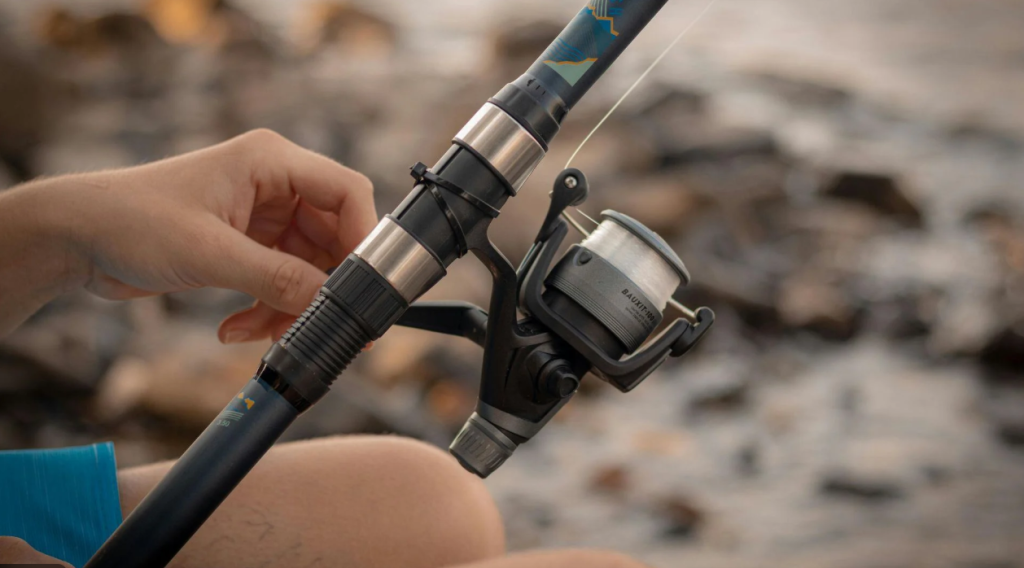
For beginners, spinning rods and reels are usually the easiest to learn. Spinning gear is lightweight, simple to cast, and less prone to tangles than baitcasting setups.
Durability
Your first rod should be durable enough to handle mistakes. Beginners often drop rods, snag lures, or fight fish incorrectly, so a strong rod is important.
Comfort
The rod should feel balanced and comfortable in your hands. Fishing often involves hours of casting, so comfort matters.
Key Features to Consider
Understanding the basic features of fishing rods will help you choose the best fishing rod for beginners.
Rod Length
Rod length affects casting distance, accuracy, and control.
Typical beginner rod lengths:
- 6–7 feet – the most versatile size
- Shorter rods – easier control and accuracy
- Longer rods – better casting distance
A rod around 7 feet is widely considered the best all-around length for beginners because it balances power, sensitivity, and casting distance.
Rod Power
Rod power describes how much force is needed to bend the rod.
Common options:
- Light
- Medium-light
- Medium
- Medium-heavy
- Heavy
For beginners, medium power rods are ideal because they can handle a wide variety of lures.
Rod Action
Rod action describes where the rod bends.
- Fast action – bends near the tip
- Moderate action – bends in the middle
- Slow action – bends throughout the rod
Fast action rods are popular in lure fishing because they improve sensitivity and hook-setting power.
Rod Material
Most modern rods are made from:
Graphite rods
Pros:
- Very sensitive
- Lightweight
- Excellent for lure fishing
Cons:
- Slightly more fragile
Fiberglass rods
Pros:
- Extremely durable
- More forgiving
Cons:
- Heavier
- Less sensitive
Many beginner rods combine graphite and fiberglass to balance sensitivity and durability.
Types of Fishing Rods for Beginners
Understanding the different rod types is essential when building your best fishing setup.
Spinning Rods
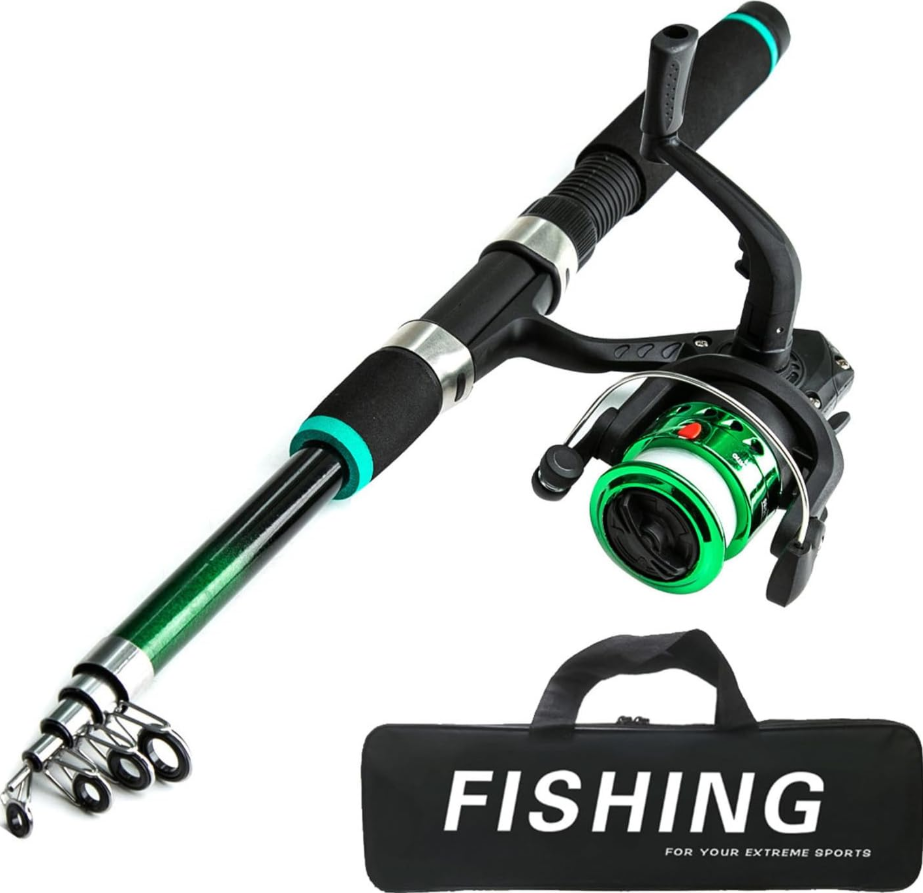
Spinning rods are the most beginner-friendly rods.
Features:
- Reel sits underneath the rod
- Easy casting technique
- Good for light lures
Spinning rods are commonly used for popular species such as bass, trout, and pike.
Pros:
- Easy to learn
- Versatile
- Great for light lures
Cons:
- Slightly less powerful for heavy techniques
Baitcasting Rods
Baitcasting rods are commonly used by experienced anglers.
Features:
- Reel sits on top of the rod
- High casting accuracy
- Powerful hooksets
Pros:
- Excellent lure control
- Stronger for heavy cover fishing
Cons:
- Difficult for beginners
- Higher risk of line tangles
Spincast Rods
Spincast rods are often used for children or casual anglers.
Pros:
- Very easy to use
- Simple push-button casting
Cons:
- Limited casting distance
- Less precise control
Pros and Cons of Different Gear Types
Here’s a simple comparison of beginner rod types.
| Rod Type | Best For | Pros | Cons |
|---|---|---|---|
| Spinning Rod | Beginners and lure fishing | Easy casting, versatile | Less power for heavy lures |
| Baitcasting Rod | Experienced anglers | High accuracy and power | Harder to learn |
| Spincast Rod | Casual fishing | Very simple to use | Limited performance |
For most beginners, a spinning rod and reel combo is the best starting point.
Best Fishing Setup for Beginners
The best fishing setup for beginners should be simple and versatile.
A common beginner lure fishing setup includes:
- 6’6″–7′ medium spinning rod
- 2500-size spinning reel
- 10–15 lb braided line
- Soft plastic lures or small crankbaits
This setup works for many fishing styles including:
- Bass fishing
- Perch fishing
- Trout fishing
- Pike fishing
Many beginner anglers choose a rod and reel combo, which is often cheaper and easier to assemble.
Beginner Lure Fishing Gear Guide
Besides the rod itself, beginners should also consider other essential beginner fishing gear.
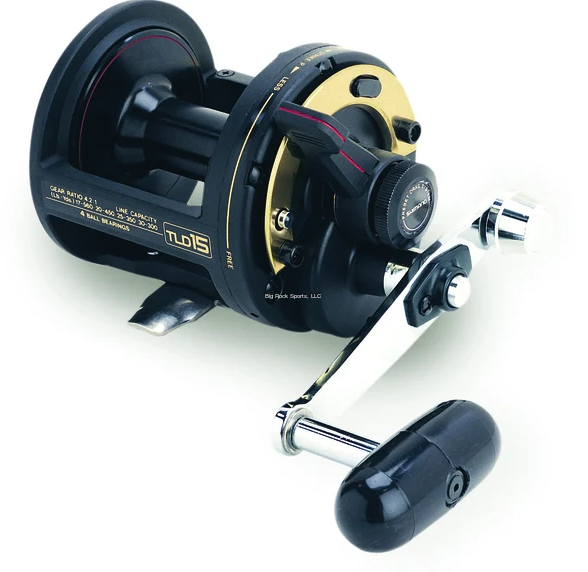
Fishing reel
The reel stores and retrieves fishing line. Modern reels also control line tension and casting distance.
Fishing line
Popular options include:
- Monofilament (easy for beginners)
- Braided line (strong and sensitive)
- Fluorocarbon (invisible underwater)
Lures
Good beginner lures include:
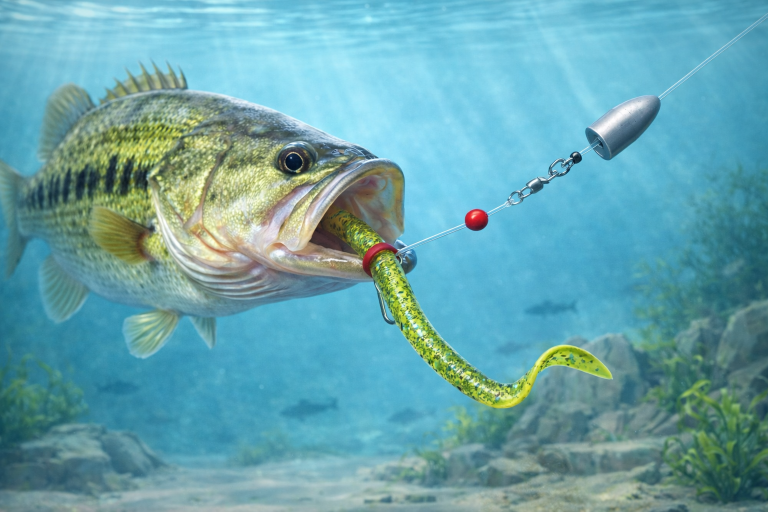
- Soft plastic worms
- Spinnerbaits
- Small crankbaits
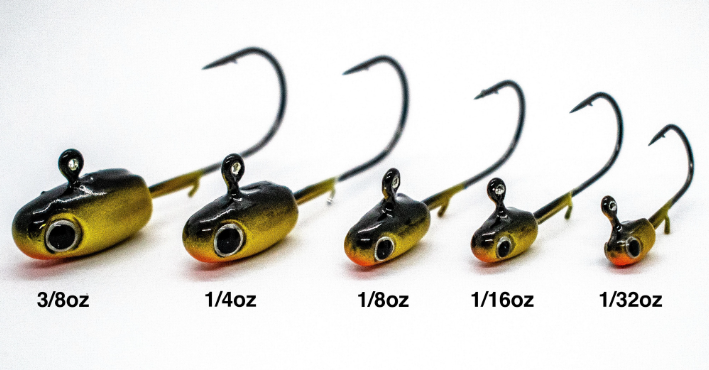
- Jig heads
Basic tackle
Other useful items:
- Hooks
- Weights
- Swivels
- Pliers
- Tackle box
Tips for Choosing the Right Gear
Choosing the best fishing rod for beginners becomes easier when you follow a few simple rules.
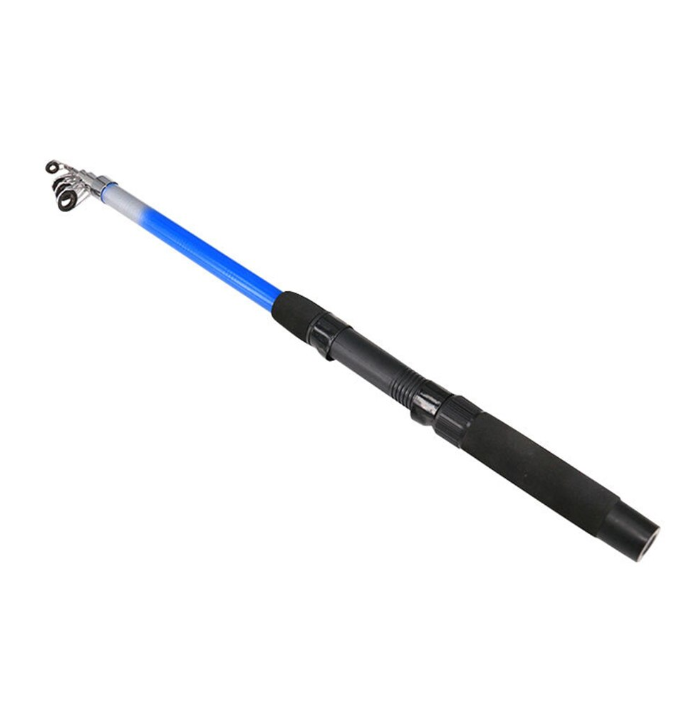
Start simple
Avoid complicated or specialized rods at first. A simple spinning setup can handle many fishing techniques.
Focus on versatility
Choose gear that can be used in multiple situations instead of equipment designed for one specific technique.
Consider your fishing location
Think about where you will fish most often:
- Lakes
- Rivers
- Ponds
- Shore fishing
Different environments may require slightly different rods.
Balance rod and reel
Your rod and reel should match in size and power. A balanced setup improves casting accuracy and comfort.
Don’t overspend at first
Expensive rods aren’t necessary when starting out. Many affordable rods perform very well and are durable enough for beginners.
Common Beginner Mistakes When Buying Fishing Gear
Many beginners make similar mistakes when choosing their first rod.
Buying a rod that is too specialized
Technique-specific rods are not ideal for beginners.
Choosing a rod that is too heavy
Heavy rods make casting tiring and reduce sensitivity.
Ignoring rod length
The wrong rod length can affect casting distance and accuracy.
Buying gear without advice
Talking to experienced anglers or tackle shop staff can help avoid costly mistakes.
Final Thoughts
Finding the best fishing rod for beginners doesn’t have to be complicated. By focusing on versatility, ease of use, and durability, you can choose a rod that helps you learn quickly and enjoy fishing.
To summarize:
- A 6’6″–7′ medium spinning rod is the most versatile beginner choice.
- Spinning rods are easier to learn than baitcasting setups.
- A balanced rod, reel, and lure setup improves performance.
- Beginners should focus on simple and durable gear.
Fishing is a skill that improves with time and experience. The right lure fishing gear guide and a good beginner rod will help you build confidence and start catching fish sooner.
Once you become comfortable with your equipment, you can expand your tackle collection and explore more advanced techniques.