How to Choose a Lure Fishing Rod (Casting vs Spinning)
Choosing the right lure fishing rod is one of the most important decisions an angler can make. There are countless rods on the market, but the best rod isn’t always the most expensive — it’s the one that matches your fishing style, the lures you use, and the conditions you fish in. A rod you never use is just wasted money, while the right rod can make every fishing trip more successful and enjoyable.
Before buying a rod, it’s critical to understand the different rod types and how they affect casting, lure control, and fish‑fighting power. Below, we explain the five most common rod types and dive deeper into two of the most debated choices for lure fishing: casting rods (baitcasting rods) and spinning rods.
Fishing Rod Types at a Glance
There are several types of fishing rods commonly used by lure anglers:
- Casting rods (for baitcasting and spincast reels)
- Spinning rods (for spinning reels)
- Fly rods (for fly fishing)
- Ice fishing rods (short rods for ice holes)
- Saltwater or sea rods (for coastal and offshore lure use)
In this guide, we’ll focus mainly on casting rods vs spinning rods, since they are the most widely used in lure fishing.
Casting Rods (Baitcasting Rods)
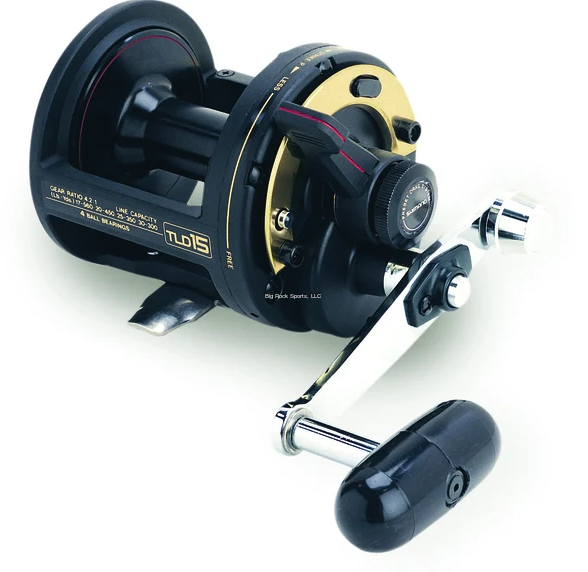
Casting rods are designed to be paired with baitcasting reels, which sit on top of the rod. These rods typically have smaller line guides along the blank and a trigger grip that helps anglers control the rod during casting and fighting fish.
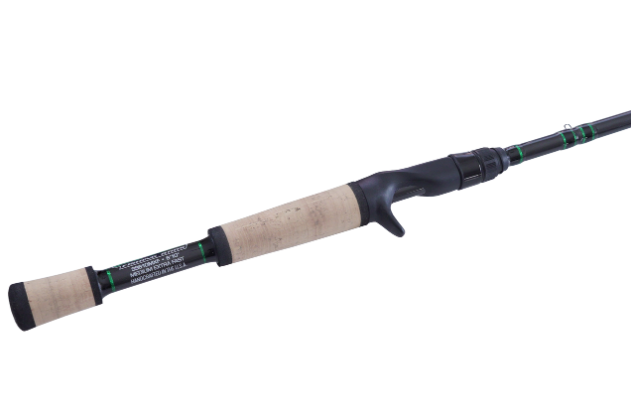
Casting rods are known for:
- Precision casting: You can drop lures right where you want them, ideal for targeting cover or specific structure.
- Power: Casting rods are often built stiffer with more backbone for setting hooks and pulling fish out of heavy cover, especially when using heavier lines and big lures.
- Control: With a baitcasting setup, you can finger‑brake the spool for controlled casts and better placement.
However, baitcasting can be more difficult to master for beginners, and the reels require practice to avoid backlashes or “bird’s nests.”
Spinning Rods
Spinning rods are the most common and versatile rods used by anglers of all skill levels. The spinning reel hangs below the rod, and the line is cast off the stationary spool.
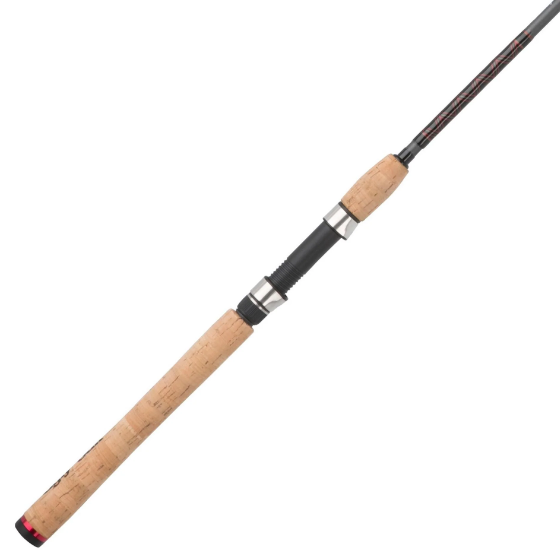
Spinning rods are known for:
- Ease of use: They are easier to cast, especially for light lures and finesse presentations. There’s less risk of backlash compared with baitcasting reels, making them ideal for beginners.
- Versatility: Spinning rods can handle a wide range of lure weights, from ultra‑light lures for trout to larger soft plastics for bass or walleye.
- Lighter tackle performance: They excel when casting small lures or fishing with light line, allowing for longer casts and greater sensitivity.
That said, spinning rods typically don’t provide the same power and casting precision as casting rods for heavy lures or big fish scenarios.
Casting Rod vs Spinning Rod — Key Differences
| Feature | Casting Rod | Spinning Rod |
|---|---|---|
| Reel position | On top of rod | Below rod |
| Learning curve | Steeper, takes practice | Easier for beginners |
| Casting precision | Excellent control | Good, but less precise |
| Lure weight range | Best for medium‑to‑heavy lures | Excels with light to medium lures |
| Line tangles | More common initially | Fewer backlashes |
| Power & control | Better for heavy cover and big fish | More versatile and forgiving |
In short: spinning rods are easier to start with but have limitations in power, whereas casting rods require skill but offer more precision and strength — especially useful when targeting larger fish or fishing heavy cover.
How to Choose the Right Rod as a Beginner
If you want an all‑around, easy‑to‑use rod that works with most common lures and fishing conditions, a spinning rod paired with a spinning reel is often the best choice. It’s versatile for various lures, less prone to tangles, and perfect for beginners.
If your main goal is to fish big lures or large fish, or to place lures precisely in tight cover, a casting rod with a baitcasting reel is a great investment — just be prepared for a learning curve.
Ultimately, the best rod depends on your fishing style, the species you’re targeting, and how comfortable you are with the equipment.