Winter Bass Fishing – Slow Presentations & Smart Tactics
Winter arrives, and many anglers hang up their rods… but not us. There’s something quietly rewarding about fishing when the air bites back, snow dusts the shoreline, and the lake sits glassy and silent. In winter, bass behavior is totally different from the aggressive spring and fall. They don’t chase plug to plug or tear across shallow flats — instead, they slow down, conserve energy, and wait for the perfect offering. Understanding that change is the key to winter success.
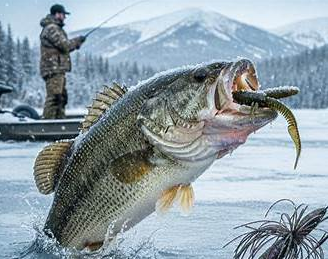
Why Cold Water Changes Bass Behavior
As temperatures dip and water cools, bass metabolism slows significantly. This isn’t just a saying anglers throw around — it’s real science and real behavior. Once the water drops below about 50°F, bass need fewer calories and won’t chase down fast‑moving prey like they do in warmer months. In winter, bass are more likely to let the food come to them rather than expend extra energy chasing it.
That’s why winter fishing is all about slow presentations and precise placement. Quick retrieves don’t work — the slower and more natural the movement, the more likely a lethargic bass will react.
Where Winter Bass Like to Hang
When the surface chill sets in, bass move to places where the water is more stable and slightly warmer, or where structure offers ambush potential without expending energy.
Deep Channels and Drop‑offs
In large lakes or reservoirs, bass retreat to depths where the water temperature changes little throughout the day. Use your fish finder to find these spots — deep channels, ledges, and shelves are prime winter bass areas.
Creek Bends and Submerged Structure
Underwater bends and old creek channels are invaluable because they act like highways where baitfish migrate — and bass love that. Rocks, logs, and submerged brush hold small critters and offer cover, which bass use both for warmth and ambush.
Thermal Refuges
Thermal refuges are little pockets where water stays a few degrees warmer — think spring inflows, deep holes fed by groundwater, or current breaks in rivers. These are gold mines in winter.
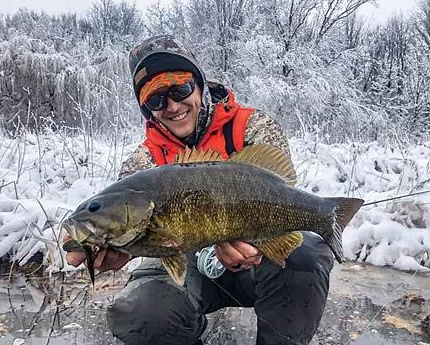
Best Winter Techniques & Lure Presentations
In winter, your goal is to match the lethargic pace of the fish. That means slow, subtle lure movement and presentations that hold in the strike zone longer.
Drop Shot Rigs
Drop shots are one of the most effective winter techniques because they keep your bait right where bass are holding with minimal movement. Use light weights (1/8–1/4 oz) and small soft plastics like minnow imitations or finesse worms. Let the bait hover just off the bottom and give small shakes — patience pays off when they finally inhale it.
Shaky Heads & Finesse Jigs
Both shaky heads and finesse jigs let you present the lure slowly and naturally along bottom structure. Drag them gently over rocks, logs, and contour changes — bass often hit as the lure is sitting still or just drifting.
Blade Baits
Blade baits produce a tight vibration that mimics dying baitfish — perfect for triggering reactions from sluggish fish. Drop them to depth, lift a foot or two, then let them flutter down slowly. Most strikes happen during that gentle fall.
Jigs & Swimbaits
A good winter jig — whether a football head with a trailer or a simple finesse jig — is a staple. Swimbaits on a jighead also work when pulled slowly across deep flats or near cover. Keep movement minimal and pauses long.
Suspending Jerkbaits
Suspending jerkbaits deserve a place in your winter box. The trick is two twitches and a long pause — often 5–10 seconds or more — letting the bait hang where bass can inspect and bite it.
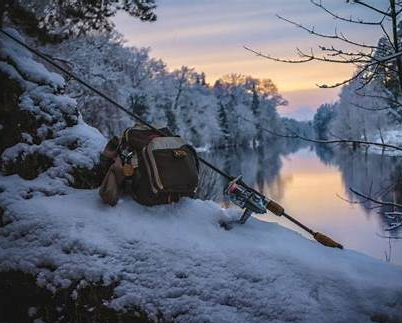
Timing & Smart Tackle Choices
Winter bass aren’t following the dawn–dusk feeding cues like in summer or fall. Instead:
Midday Warmth Matters
The sun’s heating effect can be crucial — even a few degrees warm can trigger a bite. Most anglers find the sweet spot between late morning and mid‑afternoon on clear days.
Matching Your Gear to the Task
- Rods: Medium‑light spinning rods are perfect for drop shots and shaky heads, while medium baitcasters handle jigs and blade baits.
- Line: Fluorocarbon in the 8–12 lb range is an excellent choice — it sinks, is sensitive, and low visibility helps entice bites.
- Electronics: A fish finder or sonar can dramatically increase your success by locating depths and suspended fish faster.
Staying Motivated in Cold Weather
Winter fishing isn’t about fast action — it’s about quality over quantity. You might fish for hours with only a handful of bites, but those bites are often from fish that can’t resist carefully presented offerings. Patience is as much a lure as anything in your tackle box.
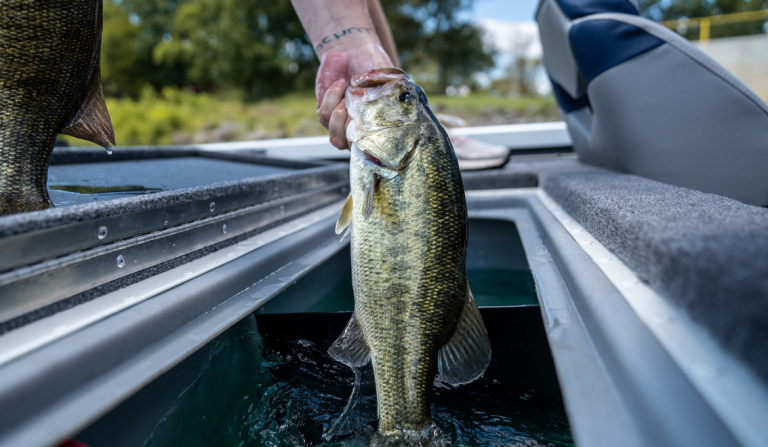
One late January morning, I found myself on a quiet reservoir as the sun rose over ice‑tipped reeds. The water had dipped into the low 40s, and everything seemed still. I tied on a small drop shot and gently worked it along a deep ledge. An hour passed. Then, a tug — slow but unmistakable. A few minutes later, I unhooked a hefty bass that felt like winter gold in my hands. That moment really drove home how slow but steady persistence wins in cold water — and that patience on chilly days can be rewarded in a big way.
Winter Bass Fishing: Quick Takeaways
- In winter, bass burn fewer calories — so slow presentations and long pauses are essential.
- Look for deeper water, structure, and thermal refuges where bass can conserve energy.
- Use finesse techniques like drop shots, blade baits, shaky heads, and suspending jerkbaits.
- Midday warmth and smart tackle selection make a big difference.
- Stay patient — winter bass bites might be few, but they’re often worth the wait.
Winter bass fishing may be slow, but it’s never boring — and when you finally dial in the pattern, the satisfaction of that cold‑water catch is unmatched.
What happend i dont know
wish you all the best
wish you best and best
So dive in, have fun
无话可说,只是看看
All the best