How to Choose and Rig Soft Plastic Baits
Soft plastic baits are one of the most effective lure choices for anglers, particularly because they often mimic natural prey more closely than hard baits. They feature flexible bodies, natural movement, and sometimes even scent or texture, making them highly attractive to fish. They’re also usually easier to use and less likely to snag on cover than hard lures.
Soft plastic baits are typically made from materials like rubber or soft plastics, and they come in a wide range of shapes, sizes, colors, and profiles, each designed to imitate a specific type of prey.
What Makes Soft Plastic Baits Special?
Soft plastic baits offer several advantages over hard lures:
Realistic action and texture that fish instinctively recognize.
Versatile rigging options for different species and water conditions.
Affordable and easy to replace, with many anglers stocking dozens of types.
Whether you’re fishing for bass, catfish, or other freshwater predators, soft plastic baits give you the flexibility to present bait naturally and consistently.
Popular Soft Bait Types
Below are some of the most common and effective soft plastic baits used in modern lure fishing:
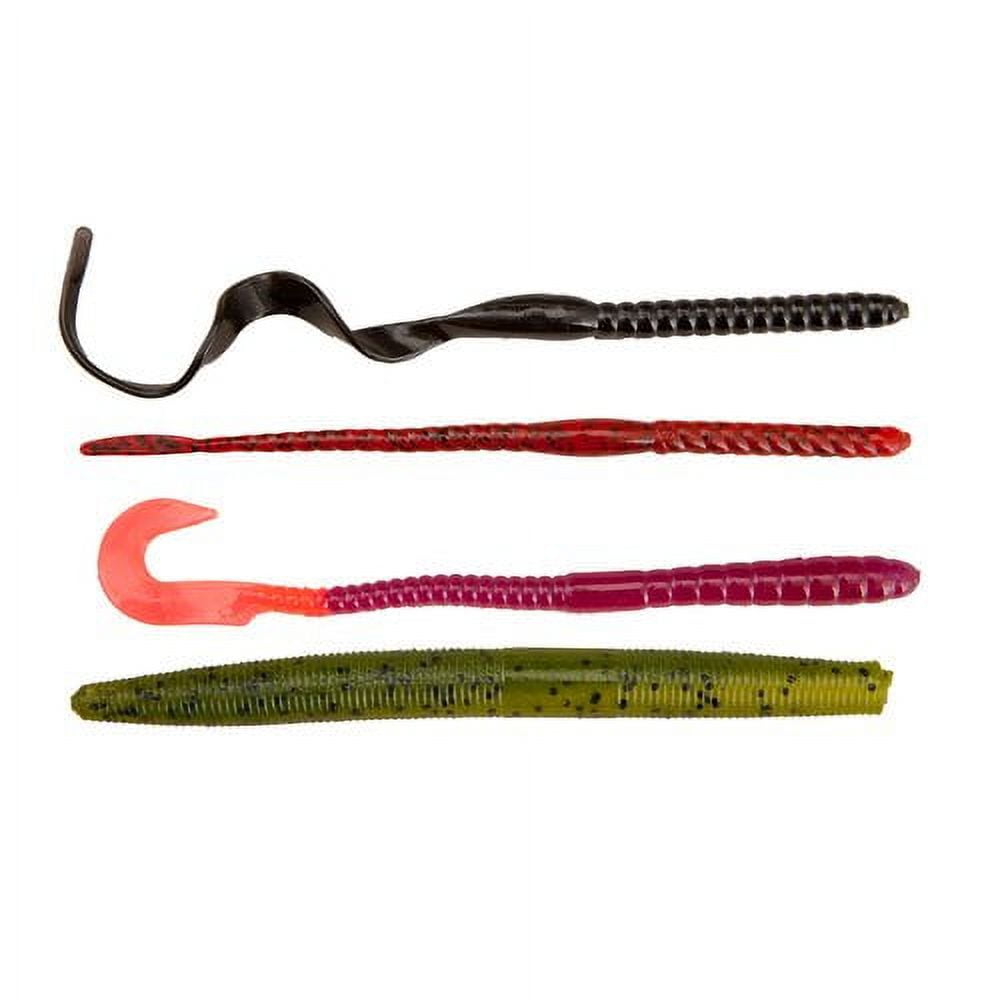
1. Soft Worms
Soft plastic worms are the most classic and widely used soft bait of all. They mimic real worms or small underwater creatures and can be rigged in multiple ways (like Texas or Carolina rigs) to fish at different depths and speeds.
They are especially effective for bass and panfish and are perfect when fish are feeding close to the bottom.
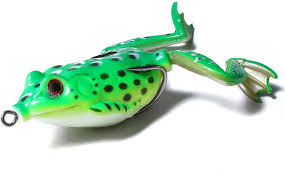
2. Frog Imitations (Soft Frogs)
When vegetation or lily pads cover the water surface, many lures struggle—but soft frog baits excel. They float on top and imitate frogs or insects skimming the surface, creating enticing action that draws strikes from fish like bass and snakeheads.
These work best in early morning or late evening when surface activity is highest.
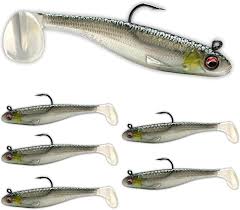
3. Shad & Paddle Tail Baits
Shad‑style soft lures resemble small baitfish, making them excellent for species like catfish, bass, or saltwater targets. They swim naturally with a paddle tail motion that attracts predators.
Many anglers debate whether fresh or frozen fish make better bait, but for lure fishing, the soft shad imitation tends to be more versatile across water types.
4. Crabs & Other Creature Imitators
In estuaries, tidal rivers, or near shore environments, crab‑shaped soft plastic baits are extremely effective. These baits mimic crabs and crustaceans that larger fish feed on naturally, especially species like grouper, redfish, and sea bass.
Their unique profile and appendages create motion in the water that anglers can exploit with both slow and fast retrieves.
Tips for Using Soft Plastic Baits Effectively
- Match the bait to your target fish and water condition — smaller worms and creature baits work well for panfish or trout, while larger shad or frogs draw bigger predators.
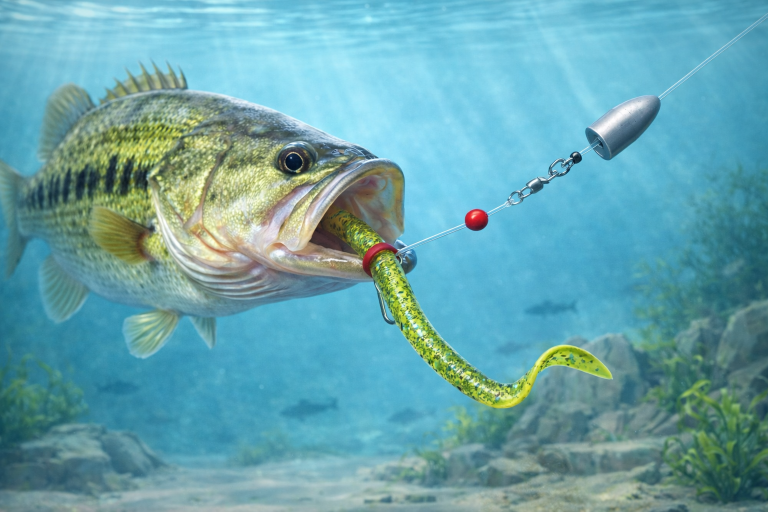
- Rigging technique matters — Texas, Carolina, or drop‑shot rigs dramatically change how the bait moves and sinks.
- Vary your retrieve speed — sometimes a slow twirl along the bottom triggers more strikes, while a fast pull imitates fleeing prey.
- Clear water = natural colors, murky water = bright or high‑contrast baits.
Soft plastic baits are a cornerstone of modern lure fishing because of their realistic movement and versatility — they let you target fish more precisely and adapt quickly to changing conditions.
How about we talk about fly hooks? They’re used quite a lot too.