Baitcasting Reel Guide: Setup, Techniques & Buying Tips
If you spend enough time fishing, sooner or later you’ll pick up a baitcasting reel. For many anglers, that moment feels like a milestone. I remember the first time I switched from spinning gear to a baitcaster while bass fishing along a weedy shoreline. The learning curve was real—but once everything clicked, the control and precision were hard to beat.
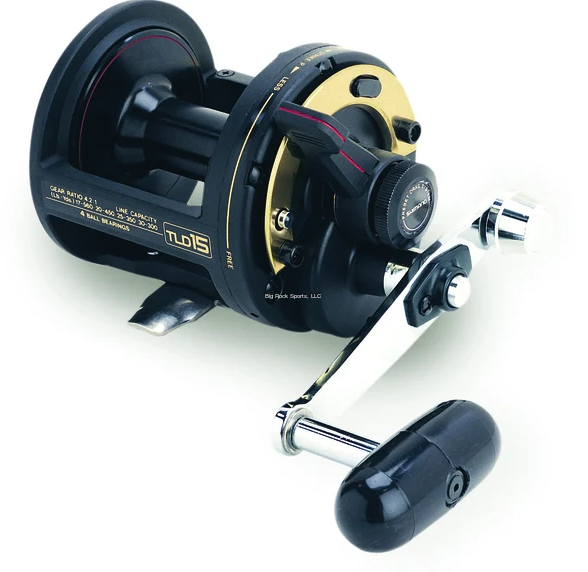
A baitcasting reel is designed with a rotating spool mounted on top of the rod. When casting, the spool spins as the lure pulls line from the reel. This design allows experienced anglers to control casting distance and accuracy using their thumb and braking systems on the reel.
Because of this spool rotation and gearing system, baitcasting reels are commonly used for heavier lures, stronger fishing lines, and techniques that require precise lure placement—especially when targeting species like bass in heavy cover.
In this guide, I’ll walk through everything anglers should know about baitcasting reels—from how they work to how to choose the right one.
What Is a Baitcasting Reel
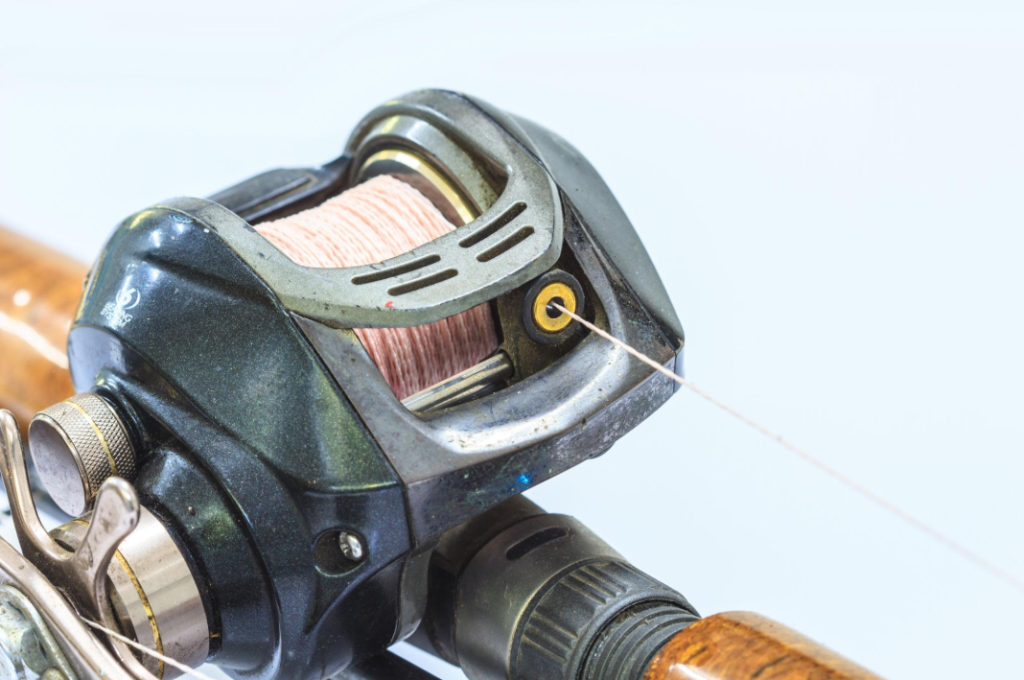
A baitcasting reel (often called a baitcaster) is a revolving-spool fishing reel mounted on top of the rod. Unlike spinning reels where the line leaves a stationary spool, the spool on a baitcaster spins during the cast.
This design offers several advantages:
- Greater casting accuracy
- Better control over the lure
- Higher power when retrieving fish
- Ability to use heavier line and lures
Modern baitcasting reels include advanced features such as braking systems, drag adjustments, and high gear ratios that allow anglers to retrieve line quickly and fight larger fish effectively.
Many bass anglers rely heavily on baitcasters because they allow precise lure placement around structures such as:
- docks
- weed beds
- fallen trees
- rock piles
When fishing these areas, the ability to cast accurately often makes the difference between catching fish and missing opportunities.
How a Baitcasting Reel Works
Understanding how a baitcaster works will help you avoid common mistakes like backlash and improve your casting distance.
Spool Mechanism
The spool in a baitcasting reel spins freely when you press the release button. As the lure travels forward during a cast, the line pulls directly from the rotating spool.
This direct line release means baitcasters can deliver excellent casting distance—especially with heavier lures.
However, if the spool spins faster than the line leaves the reel, the line will bunch up and create a backlash (often called a “bird’s nest”).
Drag System
The drag system controls how much resistance the reel applies when a fish pulls line from the spool.
A smooth drag is essential for fighting fish and preventing line breakage. The drag washers create friction so that the spool releases line gradually instead of snapping the line.
For most fishing situations, setting the drag around 25–30% of the line strength provides a good balance between control and protection.
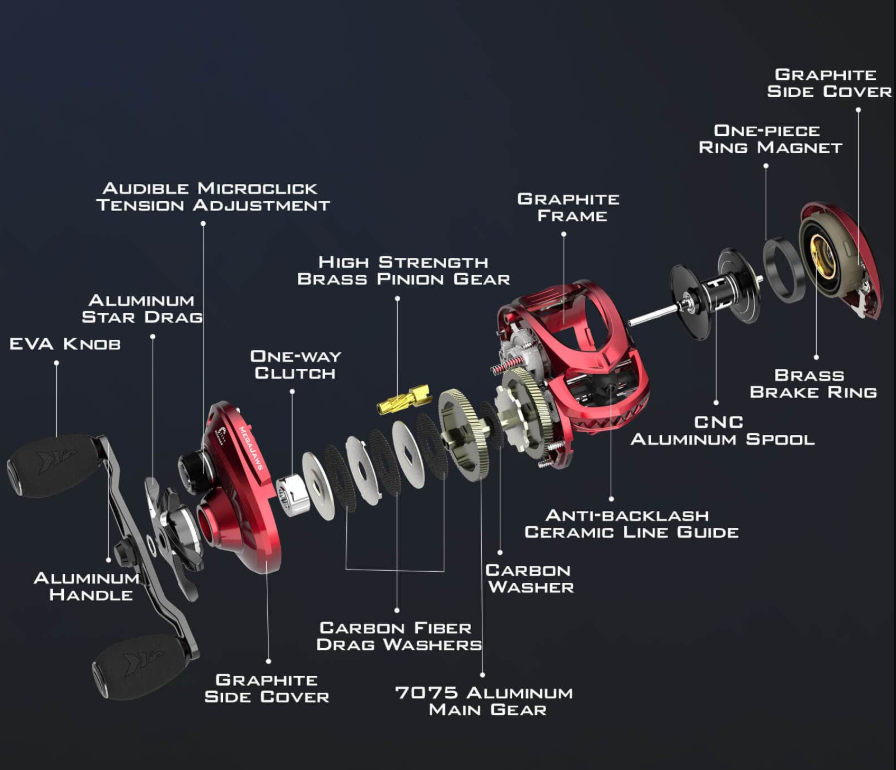
The spool holds the fishing line while braking systems help control spool speed during casting.
Line Release and Braking System
Modern baitcasting reels include braking systems that regulate spool speed during casting.
These brakes reduce the chances of backlash by applying resistance to the spinning spool. Adding more braking slows the spool rotation, while reducing braking increases casting distance but requires more thumb control.
Most baitcasters use one or both of these braking types:
- Magnetic braking
- Centrifugal braking
Learning how to adjust these systems is the key to mastering baitcasting reels.
Advantages of a Baitcasting Reel
Once anglers become comfortable with baitcasters, many never want to go back.
Superior Casting Accuracy
Baitcasting reels allow anglers to control the spool with their thumb, which provides extremely precise lure placement. SI
This is especially useful when targeting bass around structures.
Better Power and Torque
Because of the gear design and spool configuration, baitcasters provide strong cranking power when retrieving fish.
Ideal for Heavy Lures
Baitcasters excel with:
- jigs
- spinnerbaits
- crankbaits
- swimbaits
These lures often weigh more than ¼ ounce and perform well with baitcasting setups.
Faster Retrieve Speeds
Many baitcasters feature high gear ratios, allowing faster line retrieval with each turn of the handle.
This helps anglers cover water quickly.
Disadvantages of a Baitcasting Reel
Despite their advantages, baitcasting reels aren’t perfect.
Steeper Learning Curve
Baitcasters require more practice than spinning reels. Beginners often experience backlash until they learn proper casting technique.
Difficult with Lightweight Lures
Very light lures don’t always generate enough momentum to spin the spool efficiently.
Setup Requires Adjustment
Anglers must adjust:
- spool tension
- braking system
- drag
to achieve optimal performance.
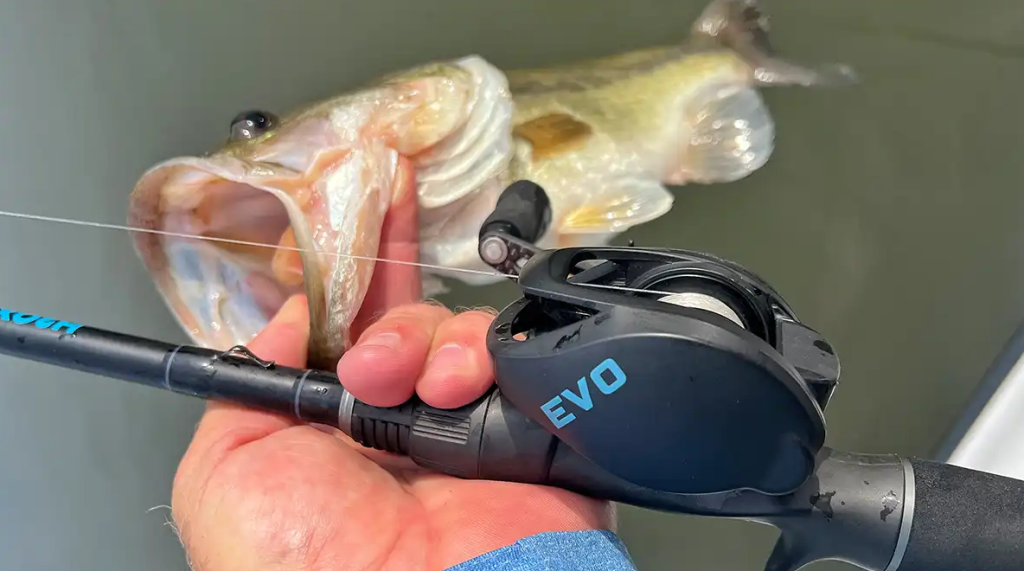
Best Fishing Techniques for a Baitcasting Reel
Baitcasting reels are excellent for several fishing styles.
Casting
Traditional casting with crankbaits or spinnerbaits works extremely well with baitcasters.
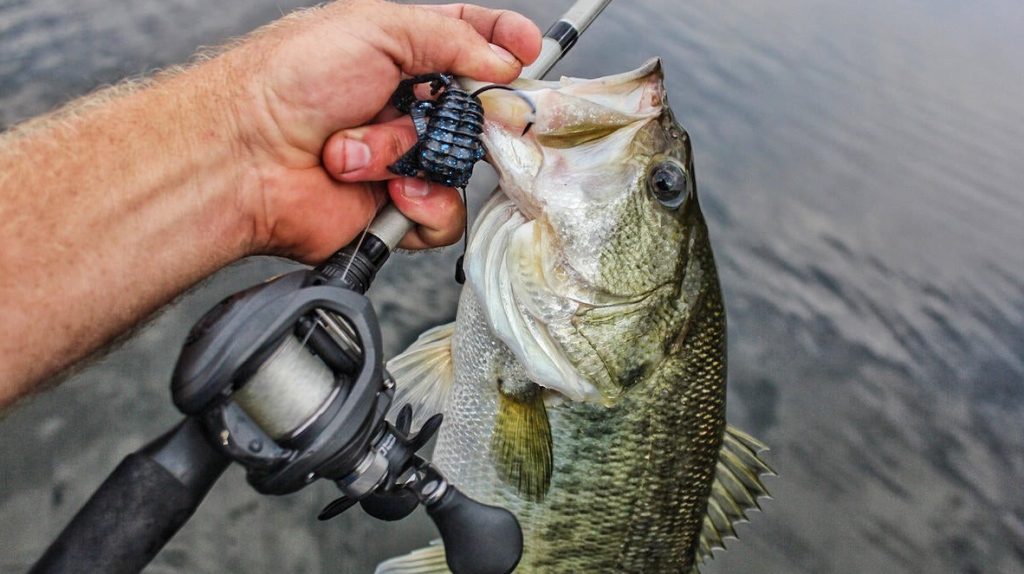
Bass Fishing
Bass anglers often use baitcasters for:
- flipping
- pitching
- skipping lures under docks
- heavy cover fishing
Power Fishing
Techniques that require strong hooksets and heavy line benefit from baitcasting reels.
Trolling
Although conventional reels are often used for trolling, baitcasters can handle light trolling setups.
What Fish Can You Catch with a Baitcasting Reel
Baitcasting reels are commonly used for both freshwater and saltwater fishing.
Freshwater Fish
- Largemouth bass
- Smallmouth bass
- Pike
- Walleye
Saltwater Fish
- Redfish
- Snook
- Striped bass
- Small tuna
Because baitcasters handle heavier line well, they are particularly effective when targeting larger or stronger fish.
How to Choose the Right Baitcasting Reel
Choosing a baitcaster comes down to a few key factors.
Reel Size
Different reel sizes suit different fishing situations.
| Reel Size | Typical Use |
|---|---|
| 100 | Light bass fishing |
| 200 | General bass fishing |
| 300+ | Larger freshwater or saltwater fish |
Gear Ratio
Gear ratio tells you how many times the spool spins per handle rotation.
Examples:
- 5.4:1 – slow retrieve, great for crankbaits
- 6.4:1 – versatile all-purpose ratio
- 7.1:1+ – fast retrieve for pitching and flipping
Drag Strength
Choose a drag that matches your target fish species.
Bass fishing typically requires 10–15 lbs drag.
Line Compatibility
Baitcasting reels work well with:
- braided line
- fluorocarbon
- monofilament
Most anglers prefer braided line for its strength and sensitivity.
Baitcasting Reel vs Other Fishing Reels
| Reel Type | Skill Level | Best Use | Casting Distance | Control |
|---|---|---|---|---|
| Baitcasting Reel | Intermediate | Precision casting | Excellent | High |
| Spinning Reel | Beginner | Light tackle | Good | Easy |
| Spincast Reel | Beginner | Casual fishing | Moderate | Very Easy |
| Fly Reel | Advanced | Fly fishing | Technique based | Moderate |
Baitcasting reels are typically preferred for heavier lures and more accurate casting, while spinning reels remain easier for beginners and finesse techniques.
Common Mistakes When Using a Baitcasting Reel
Many anglers struggle with baitcasters at first.
Backlash from Poor Setup
Incorrect spool tension or braking settings can cause line overruns.
Casting Too Hard
Smooth casting works better than forceful casting.
Using the Wrong Lure Weight
Light lures are difficult to cast with baitcasters.
Ignoring Reel Adjustments
Proper brake and tension settings dramatically improve performance.
Pro Tips from Experienced Anglers
After years of fishing with baitcasters, here are a few tips that make a big difference.
Start with Higher Brake Settings
This prevents backlash while learning.
Use Heavier Line at First
Heavier line is easier to control when practicing.
Practice in Open Areas
Start casting in a field before hitting the water.
Use Your Thumb to Control the Spool
Thumb control is the secret to precise casting.
Final Thoughts
Baitcasting reels are one of the most powerful tools in an angler’s arsenal. They offer unmatched casting accuracy, strong retrieval power, and excellent control when fishing heavy cover.
While the learning curve may intimidate beginners, the payoff is worth it. Once you master spool control and reel adjustments, baitcasters become incredibly efficient for many fishing techniques—especially bass fishing.
For anglers looking to improve casting precision and tackle larger fish, a baitcasting reel is a fantastic upgrade.
Frequently Asked Questions
Are baitcasting reels good for beginners
Baitcasting reels can be used by beginners, but they require practice. Many anglers start with spinning reels because they are easier to learn. Once anglers understand casting techniques and reel adjustments, switching to a baitcaster can provide better casting accuracy and power.
Why do baitcasting reels get backlash
Backlash occurs when the spool spins faster than the fishing line leaves the reel during casting. This causes the line to bunch up on the spool. Proper braking settings and thumb control help prevent this issue.
What line works best with baitcasting reels
Baitcasting reels work well with braided, fluorocarbon, and monofilament fishing lines. Many anglers prefer braided line because it is strong, thin, and highly sensitive.
Do baitcasting reels cast farther than spinning reels
Baitcasting reels can cast heavier lures farther because the line feeds directly from the spinning spool. However, spinning reels usually perform better with very lightweight lures.
Why do bass anglers prefer baitcasters
Bass anglers often prefer baitcasters because they allow precise casting around structures like docks, weeds, and fallen trees. Accurate lure placement significantly increases the chances of catching bass.