How to Detect Bites While Fishing
Detecting fish bites correctly is one of the most essential skills for successful lure fishing. Whether you’re fishing with soft plastics, crankbaits, or bottom rigs, understanding how to detect bites improves your catch rate dramatically. This guide explains why bite detection works, gives step‑by‑step instructions, outlines common mistakes anglers make, and shares pro tips from experienced anglers.
Why Bite Detection Works
Fish bites vary in intensity. Some are aggressive and easily noticeable, while others are soft, subtle, and easy to miss. Detecting a bite essentially means recognizing the signals transmitted from the fish to your rod or line. These signals include:
- Line movement and tension changes — Even the slightest tug alters the pressure on the line and is physically transmitted back to you.
- Rod tip action — The rod tip amplifies movements, especially slight tremors caused by fish exploring or taking the bait.
- Line behavior near water surface — Subtle line pause or direction change often indicates a fish has taken the lure.
The sensitivity to these signals determines your ability to detect a bite early.
Step‑by‑Step Bite Detection Techniques
1. Maintain Constant Line Contact
Always keep your line tight — no slack. Slack absorbs movement, hiding subtle bites. A taut line efficiently transmits even small pressure changes.
2. Watch the Rod Tip and Line Behavior
For soft bites — especially with jigs and plastics — focus on the line where it meets the water surface. A line that pauses or twitches suddenly often means a fish has grabbed the lure.
3. Use Your Finger as a Sensory Tool
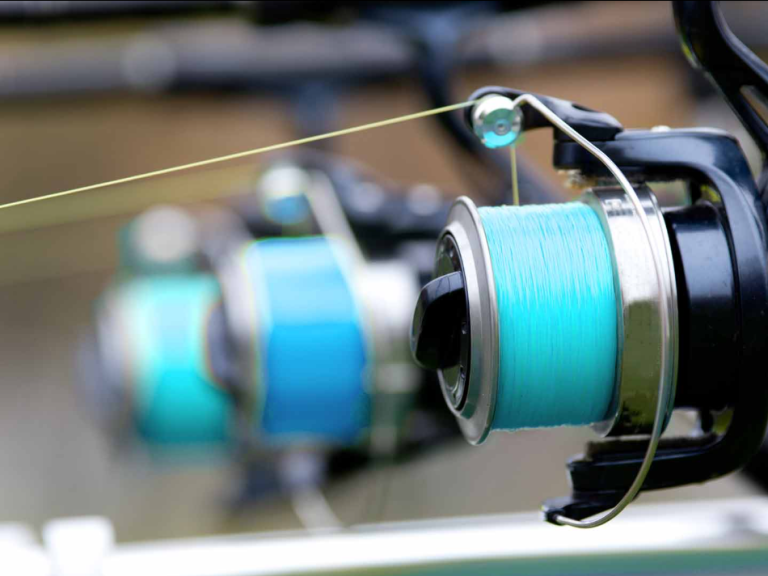
Placing your finger gently on the line (especially braided line) helps sense fine vibrations directly — sometimes better than relying on visual cues alone.
4. Adapt Your Retrieve and Presentation
Slow, erratic retrieves give fish more time to inspect lures. When fishing slowly, you’re more likely to notice a bite before the fish spits the lure out.
5. Choose Sensitive Gear
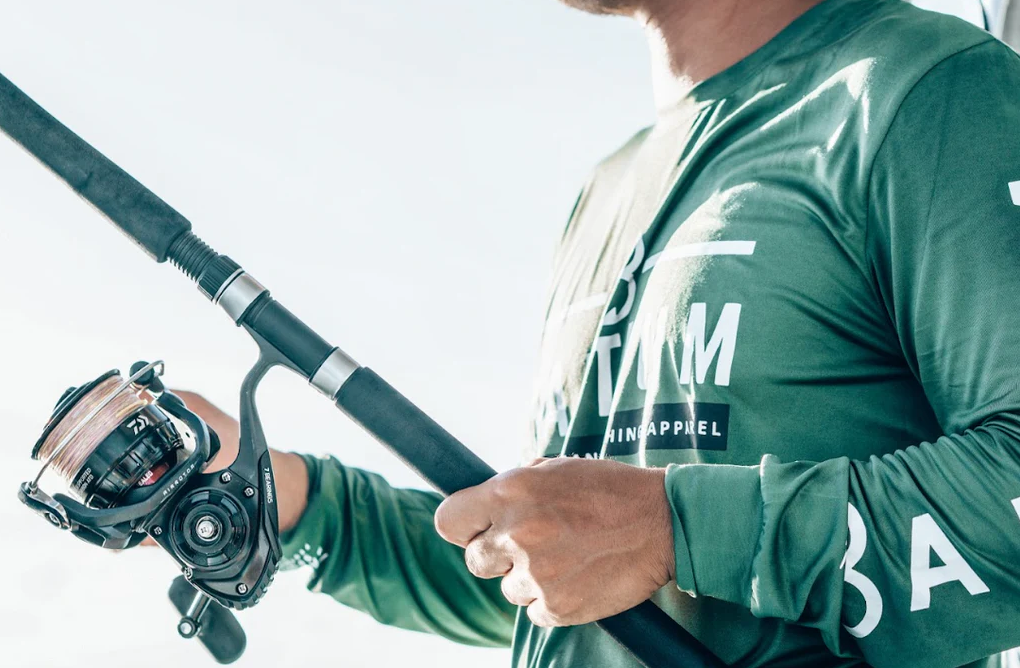
Use rods with sensitive tips and appropriate line types. Sensitive rods and lighter lines transmit vibrations more effectively, enhancing bite feedback.

Common Mistakes That Cause Missed Bites
Even experienced anglers can fall into these traps:
- Slack in the line — Soft bites can be muted if your line isn’t tight.
- Ignoring subtleties — Not all bites involve dramatic rod bending. A slight pause or line twitch is often a bite.
- Overtensioning — Too much tension can pull your bait away, making it harder for fish to pick it up naturally.
- Wrong gear choice — Using a stiff rod or heavy line may mask bite feedback.
Pro Tips from Experienced Anglers
Match line visibility to water conditions: Clear water may need less visible lines to avoid scaring fish, while murky water benefits from lines that help you visually detect movement.
Develop feel with light tackle: Panfishing with light lines trains your sensation for bites.
Use the line as a visual “bobber”: In bass fishing, watching the line itself act as a bite detector can be very effective.
Mind environmental noise: Wind and current can interfere with line movement; learn to distinguish natural movement from fish‑induced changes.