Conventional Reel Guide: Offshore Power & Fishing Tips
Spend enough time fishing offshore and you’ll quickly notice something about the gear on most boats: big, powerful reels mounted on stout rods, ready to handle fish that can easily outmuscle lighter tackle. Those reels are usually conventional reels, and they’ve earned their reputation as some of the most powerful tools in angling.
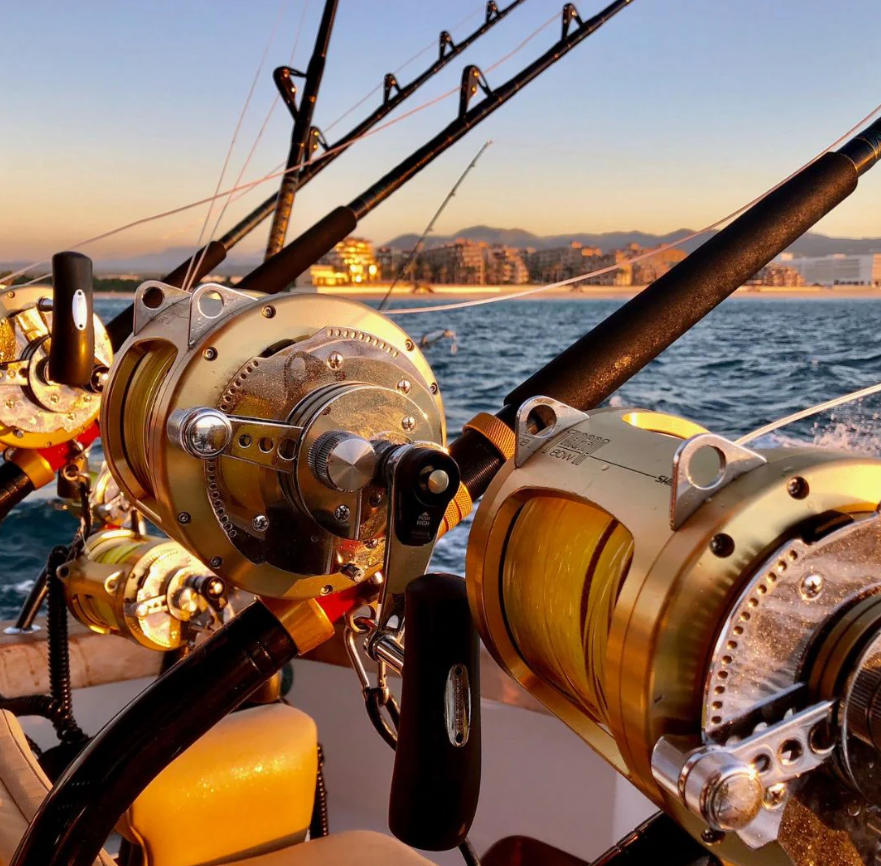
A conventional reel—often called a trolling reel or drum reel—is designed for strength, durability, and heavy fishing situations. Unlike spinning reels with a fixed spool, a conventional reel uses a rotating spool aligned perpendicular to the rod, allowing anglers to handle heavy lines and large fish effectively.
You’ll most often see these reels on offshore boats targeting species like tuna, marlin, or grouper, where power and line capacity matter more than finesse.
In this guide, I’ll walk through everything you need to know about conventional reels—from how they work to the techniques that make them so effective in big-game fishing.
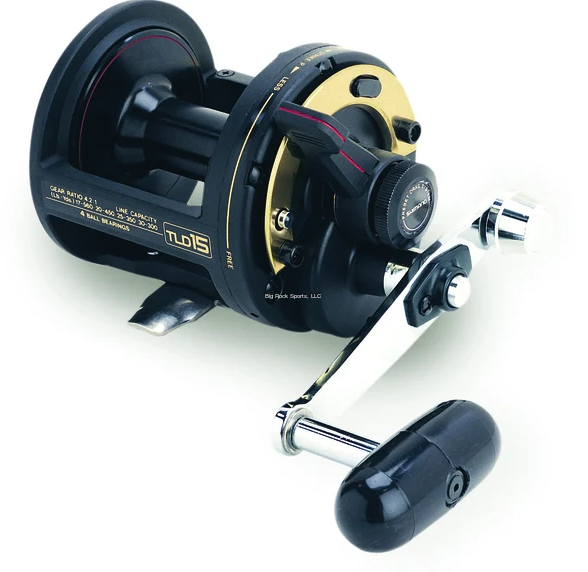
What Is a Conventional Reel
A conventional reel is a fishing reel with a rotating spool that sits above the rod and spins during casting and retrieval.
Unlike spinning reels, where line falls off a stationary spool, conventional reels require the angler to control the spool’s rotation—usually with their thumb—to prevent tangles or backlash.
These reels are widely used for:
- offshore trolling
- deep-sea fishing
- bottom fishing
- heavy bait fishing
Their design focuses on line capacity, torque, and durability, making them ideal for catching large fish that make powerful runs.
Another key feature is the line guide or level-wind system, which moves side to side while retrieving to distribute line evenly across the spool.
Because of these capabilities, conventional reels are considered one of the most powerful reel types in modern fishing.
How a Conventional Reel Works
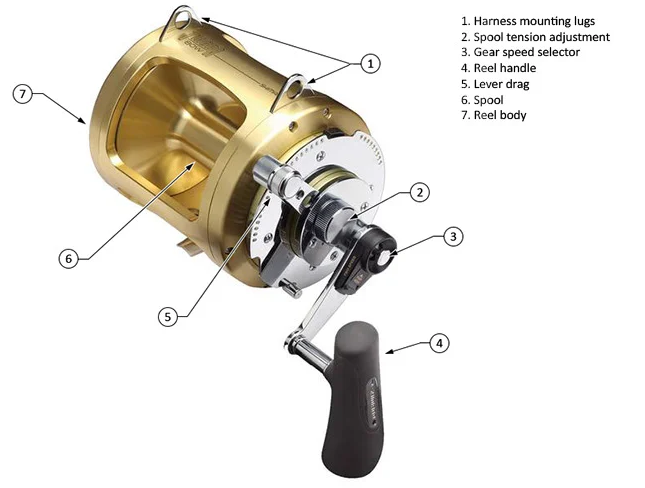
Understanding how a conventional reel works helps anglers get the most out of it. The reel relies on three main systems: the spool, drag system, and line release mechanism.
Spool Mechanism
The spool holds the fishing line and rotates as line is released or retrieved.
Unlike spinning reels, where the spool remains fixed, conventional reels use a rotating spool that spins during casting and retrieval.
This design allows the reel to store large amounts of heavy fishing line and handle strong pulling forces from large fish.
However, because the spool rotates freely during casting, anglers must control it carefully to avoid backlash.
Drag System
Conventional reels use powerful drag systems to manage tension when fighting fish.
There are two common drag types:
Star drag
- Uses a star-shaped dial near the handle
- Adjusts drag pressure through a washer stack
Lever drag
- Uses a lever to increase or decrease drag pressure
- Allows precise control during a fight
Lever drag systems are especially popular in offshore trolling because they allow quick drag adjustments when a fish strikes.
Line Release
When casting or dropping bait, anglers place the reel in free spool mode, allowing the line to release quickly.
The spool is typically controlled by:
- thumb pressure
- spool tension settings
- braking systems
Proper thumb control is key to preventing backlash when casting with conventional reels.
Advantages of a Conventional Reel
Conventional reels offer several major advantages that make them the preferred choice for big-game fishing.
Exceptional Power
These reels are designed to handle large fish that require significant cranking power.
High Line Capacity
Conventional reels can hold hundreds of yards of heavy fishing line, which is crucial for offshore trolling.
Durable Construction
Most models are built with strong metal frames designed for saltwater conditions.
Strong Drag Systems
Powerful drag systems allow anglers to fight large fish safely without snapping the line.
Ideal for Offshore Fishing
Conventional reels are widely used in deep-sea fishing and big-game trolling.
Disadvantages of a Conventional Reel
Despite their power, conventional reels are not perfect for every fishing situation.
Steeper Learning Curve
Controlling the rotating spool requires practice, especially when casting.
Risk of Backlash
Improper spool control can cause line tangles known as “bird nests.”
Heavy Weight
Many conventional reels are larger and heavier than spinning reels.
Limited Versatility
They are best suited for heavy fishing rather than light tackle applications.
Best Fishing Techniques for a Conventional Reel
Conventional reels are versatile tools used in several powerful fishing techniques.
Trolling
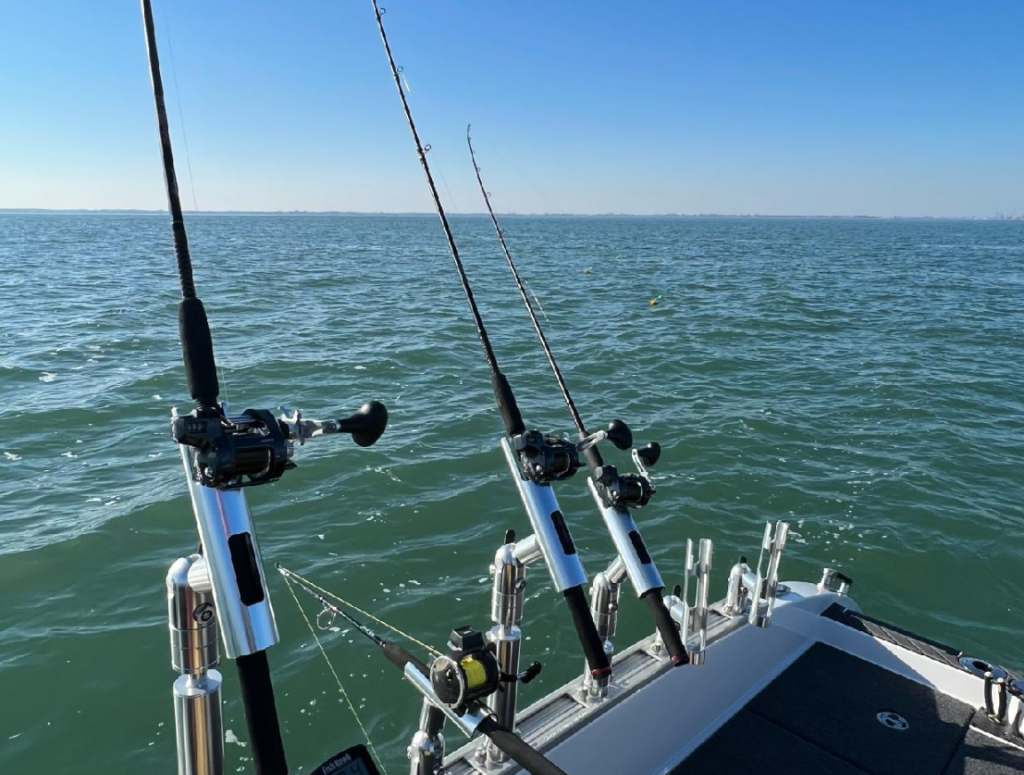
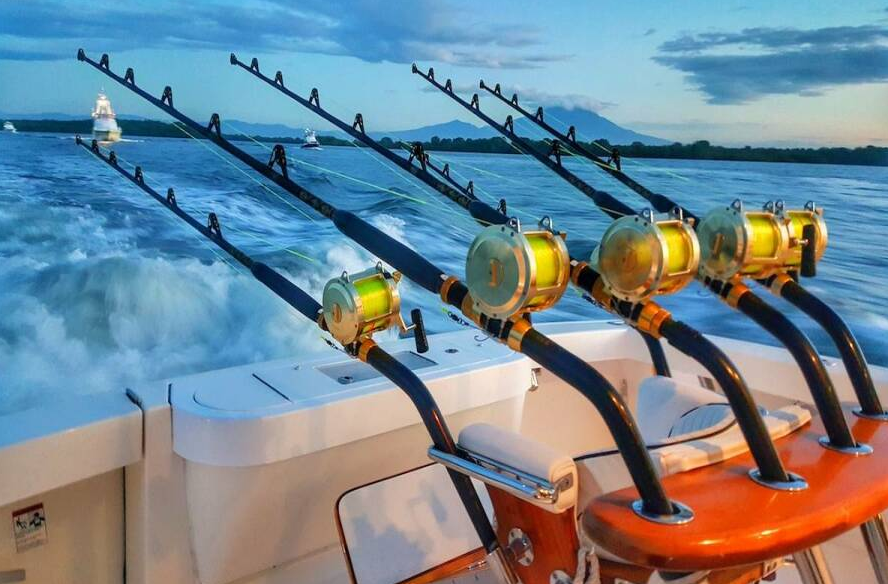
One of the most common uses of conventional reels is trolling, where bait or lures are pulled behind a moving boat.
This technique is widely used to target pelagic fish such as tuna, salmon, and mackerel.
Bottom Fishing
Conventional reels are excellent for deep-water fishing where heavy sinkers and large baits are required.
Jigging
Heavy vertical jigging techniques often use conventional reels because of their power and line capacity.
Casting Heavy Baits
While not as common as trolling, some anglers use conventional reels to cast large bait rigs.
What Fish Can You Catch with a Conventional Reel
Conventional reels are designed for powerful fish species.
Offshore Species
- Tuna
- Marlin
- Wahoo
- Sailfish
Large Saltwater Fish
- Grouper
- Snapper
- Amberjack
Freshwater Species
Although less common, conventional reels can also target large freshwater fish such as:
- catfish
- pike
- muskellunge
Their strength makes them ideal for battling large, powerful fish.
How to Choose the Right Conventional Reel
Selecting the right conventional reel depends on several important factors.
Reel Size
Reel size should match your target species.
| Reel Size | Best Use |
|---|---|
| Small | Inshore fishing |
| Medium | Offshore trolling |
| Large | Big-game fishing |
Gear Ratio
Gear ratio determines retrieval speed.
- lower ratios = more torque
- higher ratios = faster retrieval
Conventional reels often use lower gear ratios to increase pulling power.
Drag Strength
Strong drag systems are essential when targeting large fish.
Line Compatibility
Conventional reels work with:
- braided line
- monofilament line
- fluorocarbon leaders
Conventional Reel vs Other Fishing Reels
| Reel Type | Skill Level | Best Use | Casting Distance | Control |
|---|---|---|---|---|
| Conventional Reel | Intermediate–Advanced | Offshore fishing | Moderate | High power |
| Spinning Reel | Beginner–Intermediate | Light tackle | Good | Easy |
| Spincast Reel | Beginner | Casual fishing | Moderate | Very easy |
| Fly Fishing Reel | Intermediate | Fly fishing | Technique-based | Moderate |
Conventional reels are built for strength and durability, making them the top choice for big-game anglers.
Common Mistakes When Using a Conventional Reel
Even experienced anglers can make mistakes with conventional reels.
Not Controlling the Spool
Failing to apply thumb pressure during casting can cause backlash.
Incorrect Drag Settings
Too much drag may break the line when a fish makes a strong run.
Overfilling the Spool
Too much line can cause tangles during casting.
Ignoring Maintenance
Saltwater reels require regular cleaning to prevent corrosion.
Pro Tips from Experienced Anglers
After years of fishing offshore, here are a few tips that can make a big difference.
Practice Thumb Control
Learning to control spool speed is essential for casting success.
Use High-Quality Line
Strong braided line helps maximize the reel’s power.
Match Rod and Reel
Heavy conventional reels should be paired with strong boat rods.
Check Drag Before Fishing
Always test drag pressure before dropping bait.
Final Thoughts
Conventional reels may not be the easiest reels for beginners, but they are some of the most powerful tools in fishing.
For anglers targeting big fish offshore, few reel types can match the strength, durability, and line capacity of a conventional reel.
Whether you’re trolling for tuna or bottom fishing for grouper, a good conventional reel can handle the fight.
Frequently Asked Questions
What is a conventional reel used for
A conventional reel is primarily used for heavy-duty fishing applications such as offshore trolling, deep-sea fishing, and bottom fishing. Its powerful drag system and large line capacity make it ideal for targeting large fish species.
Are conventional reels good for beginners
Conventional reels are generally better suited for intermediate or advanced anglers because they require thumb control to manage the rotating spool during casting.
What fish can you catch with a conventional reel
Conventional reels are commonly used to catch large species such as tuna, marlin, grouper, snapper, and other powerful saltwater fish.
What is the difference between star drag and lever drag
Star drag reels use a star-shaped dial to adjust drag pressure, while lever drag reels use a lever system that allows precise drag adjustments during a fish fight.
Can you cast with a conventional reel
Yes, smaller conventional reels can be used for casting heavy bait or lures. However, many large conventional reels are designed primarily for trolling rather than casting.
看不懂但大受震撼
Very good i like it