Essential Hard Lure Fishing Guide
When preparing for a lure fishing trip, knowing the differences between lure types is essential. There are hundreds of artificial lures available, each designed for specific fish, water conditions, and fishing techniques. Hard lures are among the most important categories in an angler’s tackle box because they are durable, versatile, and often built to attract aggressive predatory fish.
Hard lures are typically made of plastic, wood, or metal — materials that can withstand repeated casts and resist damage better than softer baits. Most hard lures mimic baitfish or insects through movement, flash, vibration, or sound, making them irresistible to many sport fish species.
1. Crankbaits (Small Fat Lures)
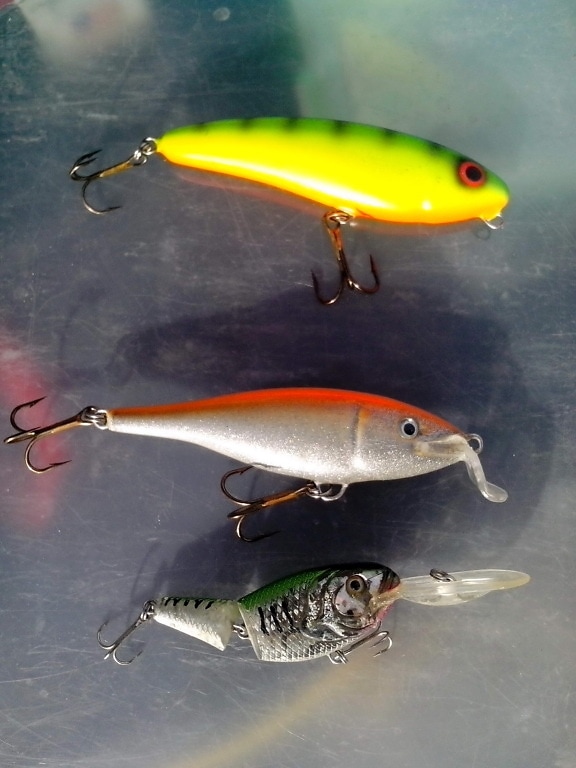
Crankbaits, sometimes called plugs, are some of the most classic hard lures. They are designed to imitate small fish and are built to dive at specific depths when retrieved. The angled lip (or bill) on the front causes the lure to dive and wiggle, mimicking a struggling baitfish.
Best for: medium to shallow water
Action: wobbles with side‑to‑side movement
Target fish: bass, walleye, pike
Crankbaits are among the most versatile hard lures because they can be used in a wide range of conditions and water depths.
2. Minnows and Jerkbaits
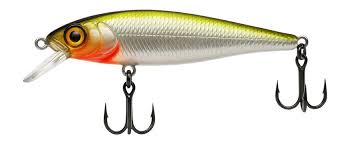
Minnow‑style hard lures closely mimic the shape of small baitfish. These lures can float, suspend, or dive depending on their design. Jerkbaits are a subtype that feature an erratic, twitching action when retrieved — perfect for triggering reaction strikes from wary fish.
Best for: clear water or selective fish
Action: subtle zig‑zag or twitching movement
Target fish: bass, trout, and many predators
Minnow and jerkbait lures are especially effective when fish are feeding on schooling baitfish.
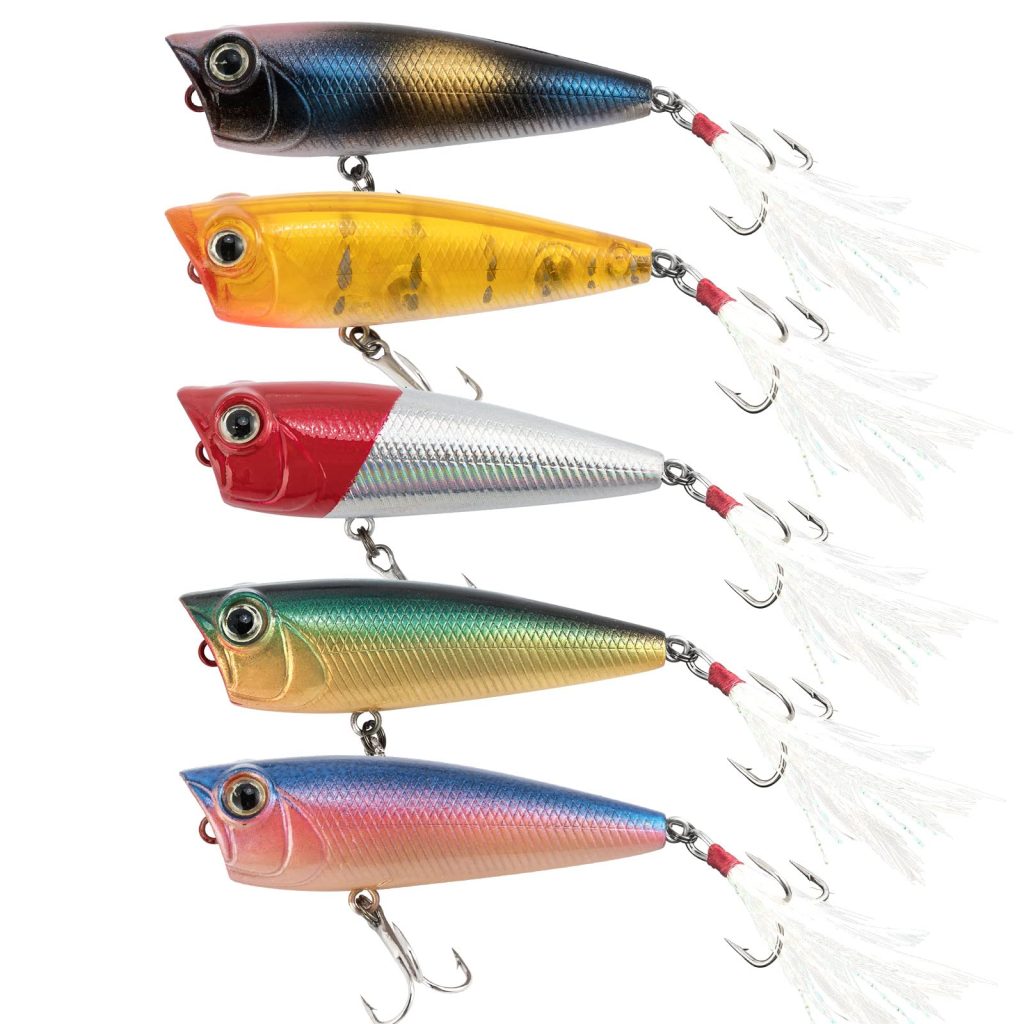
3. Popper and Topwater Lures
Poppers are surface‑action hard baits that create splashes, noise, and surface disturbance when you twitch the rod tip. Their popping action simulates insects or baitfish struggling on top of the water, attracting fish from a distance.
Best for: calm water and aggressive surface feeding
Action: popping, splashing
Target fish: bass, pike, tarpon
These lures are fantastic for thrilling strikes that explode on the surface — a highlight of topwater fishing.
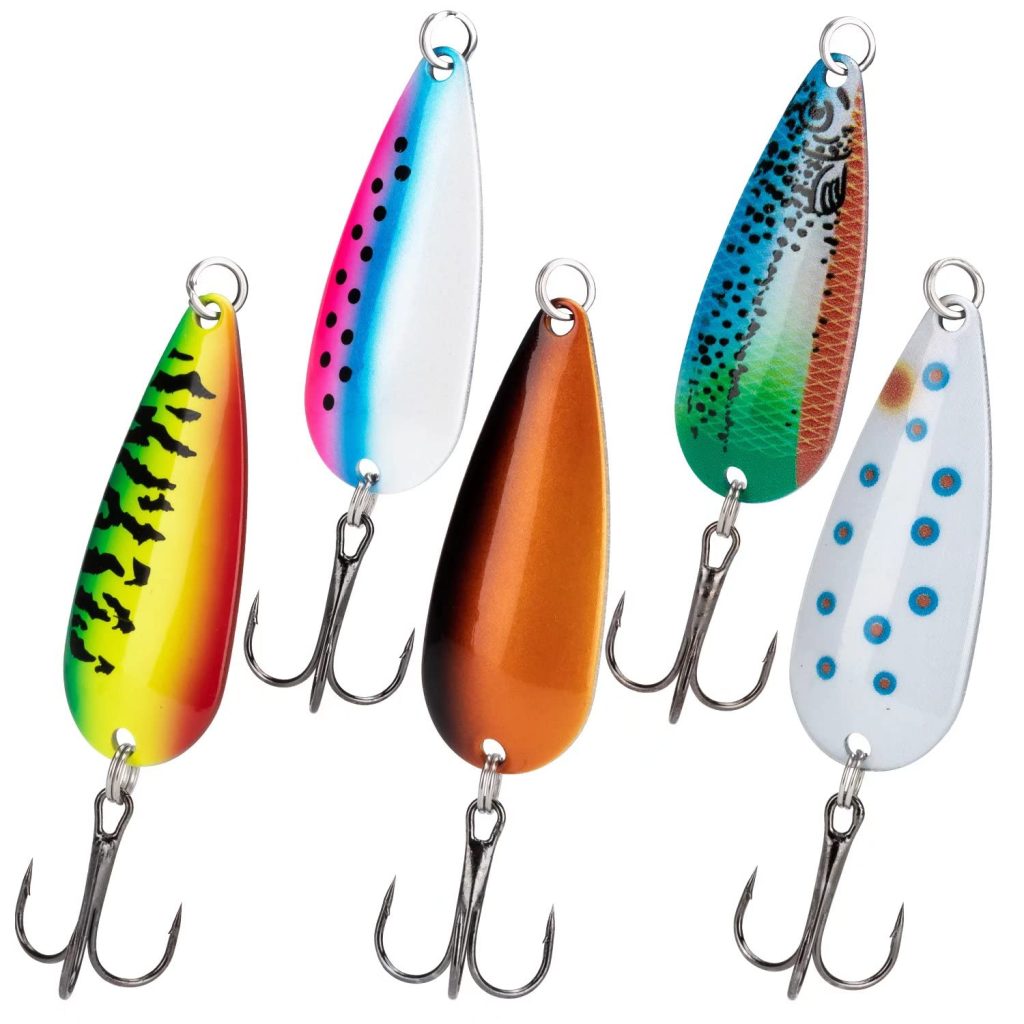
4. Spoons
Spoons are simple, metal hard lures with a curved shape. This design creates a wobbling motion as they move through the water, reflecting light and resembling an injured baitfish — making them irresistible to predators.
Best for: open water, deep water
Action: flash + wobble
Target fish: trout, salmon, pike, bass
Because of their reflective surface and unique action, spoons can be very effective in both freshwater and saltwater fishing.
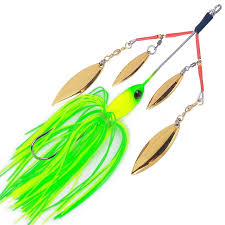
5. Spinnerbaits (Composite Bladed Lures)
Spinnerbaits combine metal blades with a hook and often a skirt. The blades spin and flash as the lure is retrieved, creating vibrations and reflections that attract fish even in murky water.
Best for: reed beds, weeds, cover
Action: spinning blades + vibration
Target fish: bass, pike, trout
These lures are especially effective when fish are deeper or when visibility is low.
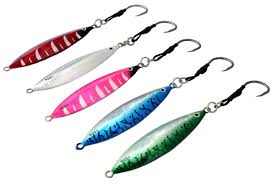
6. Jigs (Weighted Hook Lures)
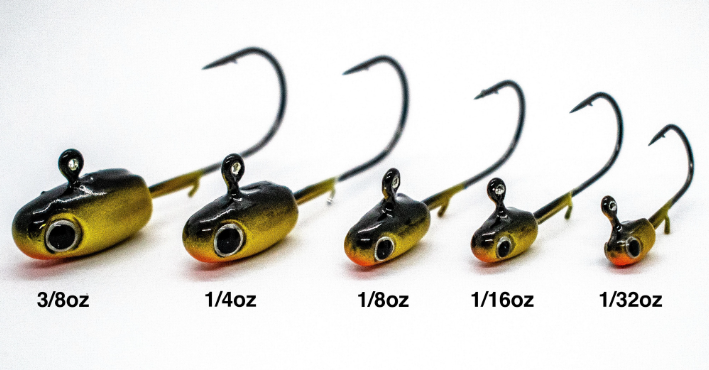
A jig consists of a weighted head and a hook, often with a skirt or tail attached. While jigs are sometimes classed separately from traditional hard lures, many anglers treat them as a hard‑bait style because of their solid construction and predictable action.
Best for: bottom structures and slow presentations
Action: lift and drop
Target fish: bass, walleye
Jigs are highly effective when fish are holding on the bottom or when precise vertical control is needed.
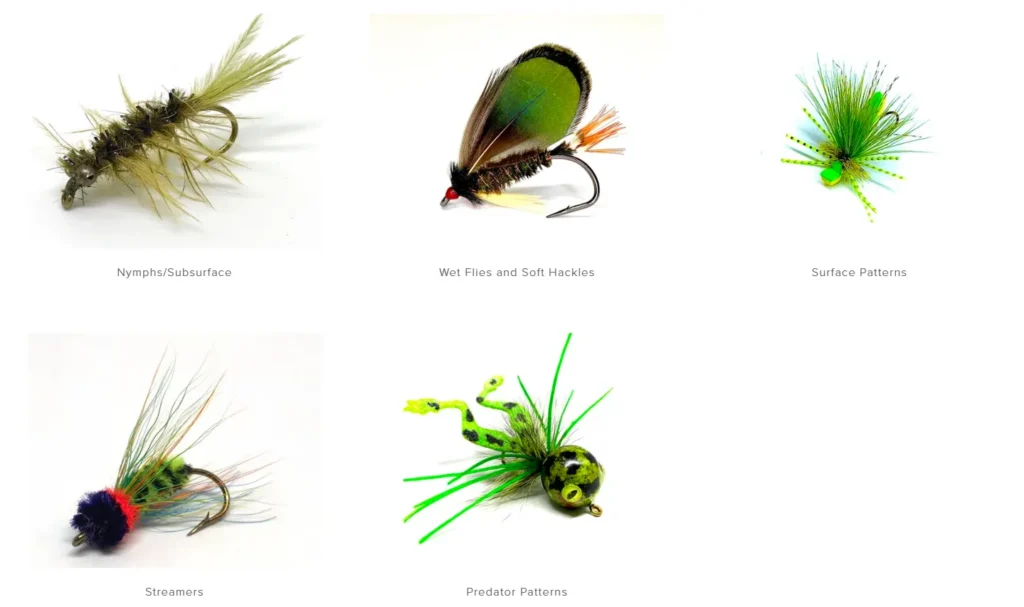
7. Flies and Light Surface Hard Lures
While flies are often associated with fly fishing gear rather than lure fishing gear, some patterns like streamers can function similarly to small hard baits by imitating insects and small fish. They are extremely lightweight and require specific casting techniques.
Best for: rivers, streams
Action: delicate, lifelike movement
Target fish: trout, salmon
This category bridges the gap between traditional lure fishing and fly fishing methods.
Key Tips for Using Hard Lures
Match the lure type to your target species and water conditions.
In clear water, natural colors often work best, while reflective or bright colors excel in murky water.
Heavier lures are ideal for windy conditions or stronger currents.
Understanding these lure types and how they behave in the water will help you catch more fish and make your lure fishing trips more successful and enjoyable.