Lure Fishing Secrets: Proven Tricks to Catch More Fish
When fishing with lures — whether soft plastics, blades, or poppers — there will be days when nothing seems to work. Sometimes the water is too muddy, or fish just aren’t active. But with a few pro tips and lure tweaks, you can dramatically reduce the chances of coming home empty‑handed.
Make Your Lure Stand Out with Flash
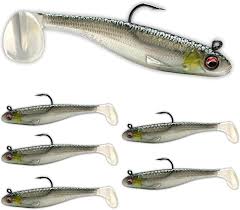
If fish aren’t responding to your lure, try adding a small flash blade or spinner attached near the head or body of your lure. These reflective blades create extra flash and vibration, helping fish detect your lure from farther away. This trick works especially well when fish are hesitant or feeding lightly — the extra visual stimulus often entices bites that wouldn’t otherwise happen. Anglers often attach willow‑leaf or Colorado blades to soft plastics for added attraction.
Add Sound and Vibration
Fish use more than just sight to detect bait. They also sense vibration and sound through their lateral line. Lures that produce even modest noise — such as rattles, beads, or spinner blades — can be much more effective, especially in areas with heavy vegetation or low visibility. Combining sound with flash opens up a wider range of sensory cues that trigger predatory instincts in fish.
Use the Right Hook Setup
The hook you choose matters more than many anglers realize. A hook that’s too large or poorly matched with your lure can hinder natural action and reduce bites. When fishing soft plastics like worms or creature baits:
- Straight‑shank hooks allow the lure to swim more naturally, making it more enticing.
- Smaller hooks often increase bite rates, especially when fish are shy or pressured.
- Avoid heavy terminal tackle with soft plastics unless targeting very large fish.
Lures vs Live Bait: Knowing When Each Works Best
Artificial lures don’t move on their own, but that doesn’t mean they’re inferior to live bait. Many factors determine success, including scent, color, movement, target species, and water conditions. While live bait can be effective, especially for stationary fish or certain species, well‑presented artificial lures often provoke more aggressive strikes by mimicking the prey’s motion and vibration.
Pick the Right Soft Plastic Action
Different soft plastics move in slightly different ways, and understanding their action can help you fish more effectively:
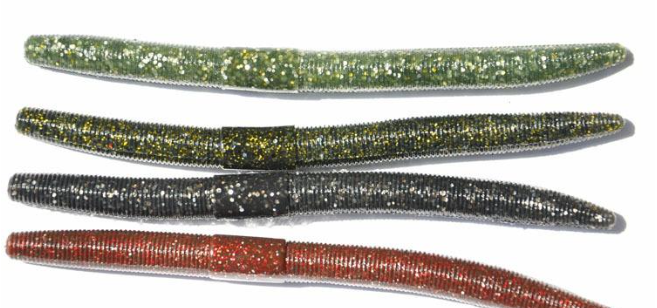
- Straight‑tail plastic worms imitate a broad range of prey and are effective in most freshwater situations, even in heavy cover.
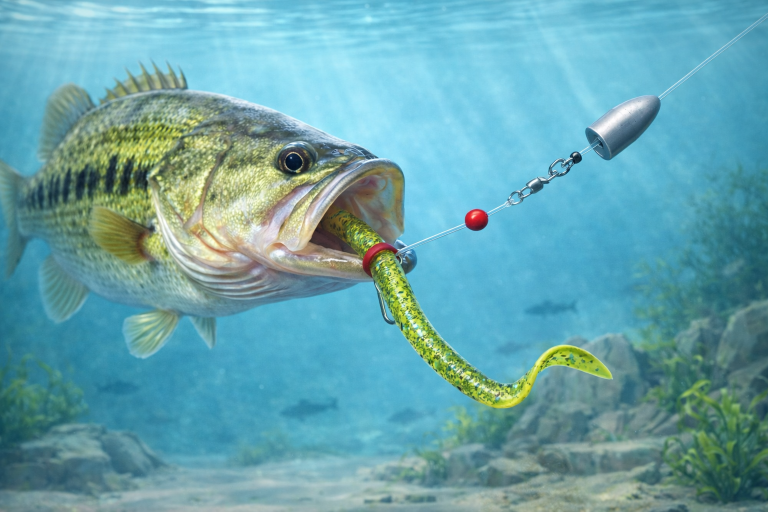
- Curly‑tail plastics have a more pronounced swimming action and work especially well in weedy or slightly murky water where extra movement attracts fish.
Pair your soft plastics with the appropriate rigging method (such as Texas rig or Wacky rig) to maximize their action and natural fall.
Correct Lure Weight and Sink Rate Are Key
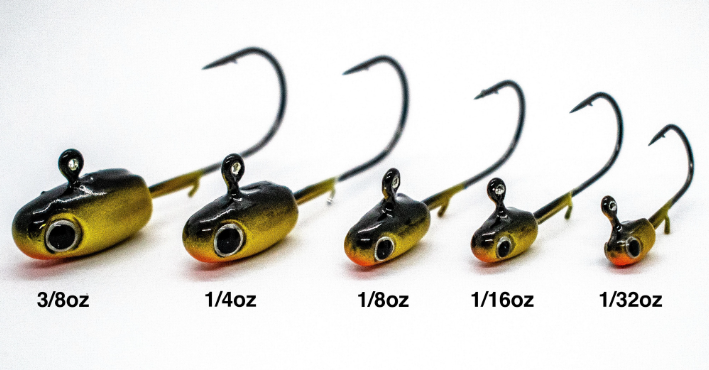
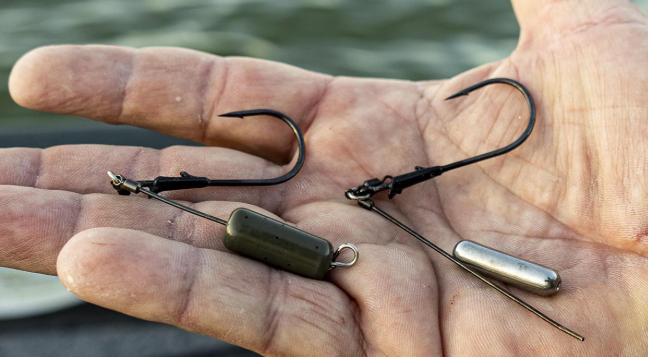
The sink rate of your lure determines how naturally it descends through the water column. Too slow, and it looks unnatural; too fast, and fish may ignore it before it reaches the strike zone. Choose weights that match depth, current strength, and target species, so your lure behaves realistically — like actual prey.
Conclusion: Learn, Experiment, and Adjust
Lure fishing success comes from experimentation and learning. At first, you may not know which lure to choose, but with experience:
- Study local fish behavior and seasonal patterns
- Learn from experienced anglers in your area
- Practice adjusting lure presentation until you find what works
By combining flash, vibration, sound, and proper rigging, you’ll significantly improve your chances of landing fish — even on the toughest days.