How to Retrieve Lure for Fishing
Retrieving your lure is one of the most important skills in lure fishing. How you retrieve — how to retrieve lure — affects how natural the bait looks in the water and whether fish decide to strike. In this practical guide, we’ll break down why retrieve techniques work, give step‑by‑step instructions, point out common mistakes, and share pro tips from experienced anglers so you can catch more fish.
Why Lure Retrieval Works
Fish often respond to how a lure moves through the water rather than the lure itself. A proper retrieve makes an artificial lure mimic the behavior of natural prey — swimming fish, fleeing bait, or wounded organisms — which triggers predatory instincts.
Good lure retrieves:
- Create action on the lure that looks alive.
- Keep the lure in the strike zone longer so fish have time to bite.
- Allow anglers to vary rhythm and speed depending on fish behavior and conditions.
Step‑by‑Step Lure Retrieve Instructions
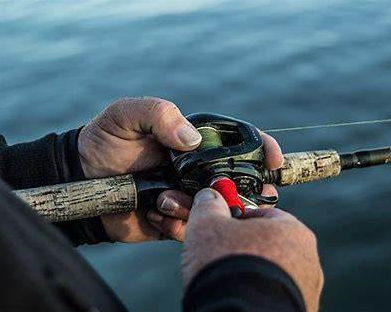
Here are reliable retrieve methods every angler should know:
1. Straight Retrieve
A constant reel‑in with minimal rod movement. Great for many hard baits that already have action built in.
Step: After the cast, let the lure reach your desired depth, then reel steadily so the lure travels evenly through the water.
2. Stop‑and‑Go
Pause the retrieve periodically to let the lure drop or hover. This imitates injured prey and often triggers strikes.
Step: Reel 2–4 turns, pause 3–5 seconds, then reel again.
3. Twitching
Use short, sharp rod tip movements while retrieving to give the lure an erratic look.
Step: Reel slowly and apply quick rod twitches, keeping slack taken up.
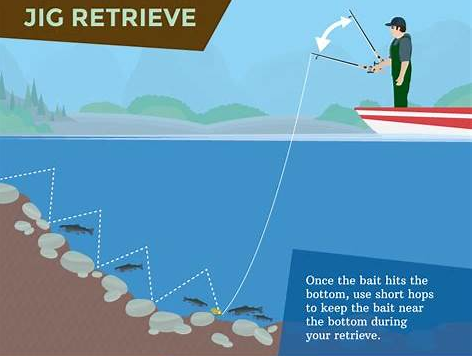
4. Jerking / Hop Retrieve
Lift the rod tip to make the lure hop or dart, then let it fall back. This simulates fleeing or escaping prey.
Step: Reel slack, then give a quick lift or jerk with the rod tip, let lure settle and repeat.
5. Slow Roll & Burn
- Slow Roll: Crawls lure close to structure near the bottom.
- Burn: A fast retrieve to trigger reaction strikes.
Common Mistakes Anglers Make
Even experienced fishermen trip over these pitfalls:
- Retrieving too fast or too slow without changing speed based on fish activity.
- Ignoring pauses and twitching, which add life‑like action.
- Failing to vary retrieve methods throughout the day, especially when fish are inactive.
- Using fixed retrieves rather than adapting (e.g., straight retrieve only).
Pro Tips from Experienced Anglers
Always start slow — a slow retrieve helps fish find and commit to the lure, especially in colder or pressured water.
Watch lure behavior after cast — let it sink to the right depth before bringing it in, keeping your line tight to feel action close to the bottom.
Mix retrieves — switch between techniques like straight, twitch, and stop‑and‑go to keep fish guessing.
Use lure type to guide retrieve style — topwater poppers often work best with rhythmic twitches and pauses; crankbaits may need steady retrieves or burns.