Fishing Techniques: Detect Bites, Cast, Retrieve & Find Fish
Fishing success isn’t random — it comes from mastering key skills that help you read fish behavior, present your bait effectively, and respond at the right moment. This guide breaks down five essential angling skills every angler should understand: how to detect bites, how to set the hook, how to cast, how to retrieve lure, and how to find fish. Whether you fish freshwater lakes in the US or rivers in Europe, these techniques build the foundation for consistent success.
How to Detect Bites — Recognizing Fish Strikes
What “Detecting Bites” Means
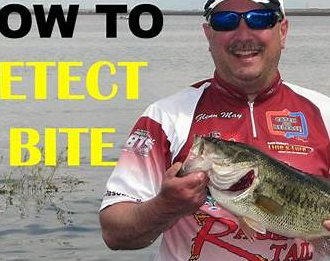
Detecting a bite means identifying when a fish has taken or interacted with your bait or lure. Often this is subtle — a line twitch, a slight tension change, or a tiny tap — rather than a dramatic pull. Experienced anglers train themselves to notice these small changes as early alerts.
Why This Technique Works
Fish investigate bait before aggressively committing. By keeping your line tight and watching your rod tip or the line movement, you can differentiate between normal lure motion and a fish strike. This awareness increases your hookup rate.
Things to Watch For
- Slight resistance or tension changes on the line.
- Tiny rod tip twitches or vibration that doesn’t match lure action.
- Usage of bite indicators (e.g., floats or quiver tips) to signal subtle strikes.
Tools That Help
- Bite indicators such as floats or bells broadcast strike information visually or audibly.
- Sensitive rods and quiver tips amplify subtle movement.
How to Set the Hook — Turning Bites into Catches
What Hook Setting Is
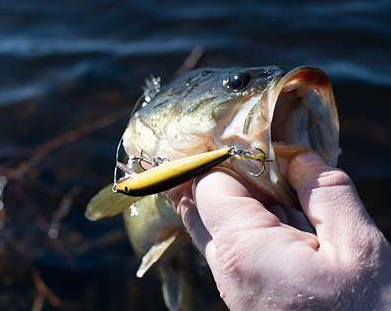
Once you detect a bite, hook setting refers to the action of pulling or lifting the rod to drive the hook into the fish’s mouth. Getting this timing right separates hooked fish from missed opportunities.
Why It Works
Fish often nibble lightly before fully committing. Waiting too long or reacting too soon can result in missed hookups. A clean, confident hook set increases your chances of keeping the fish on the line.
General Hook Set Steps
- Maintain line tension as soon as you see or feel a bite.
- Sweep the rod tip upward or sideways with a firm motion (depending on gear and fish species).
- Keep the line tight as you begin reeling in the fish.
Common Hook Set Mistakes
- Gaining slack before setting the hook, losing contact.
- Setting too aggressively on light bites, pulling bait away.
How to Cast — Placing Your Bait Precisely
What Casting Technique Is
Casting is the technique of launching your lure or bait into the water accurately and at the right distance. It’s not just distance — it’s about landing your presentation in fish‑holding zones with minimal disturbance.
Why Casting Matters
A good cast puts your lure where fish are likely to react — near cover, contours, or structure. Poor casting often results in missed opportunities and increased tangles around weeds or snags.
Core Casting Fundamentals
- Use steady acceleration, not jerky motion.
- Time your line release to match wind and obstacles.
- Practice both spinning and baitcasting methods to adapt to different situations.
Practical Tip: A smooth forward cast with balanced stance dramatically improves accuracy and reduces tangled line.
How to Retrieve Lure — Bringing Lures to Life
What a Retrieve Technique Is
The retrieve refers to how you reel your lure back after casting. It’s more than reeling — it includes speed, rhythm, pauses, and rod motion that make the lure appear lifelike.
Why Retrieve Technique Matters
Fish are more likely to strike when the lure mimics natural movement. Different retrieval patterns (steady, stop‑and‑go, twitching) evoke different predatory responses.
Popular Retrieve Approaches
- Steady Retrieve — consistent speed for predictable lure action.
- Stop‑and‑Go — pauses mimic injured prey.
- Twitch & Jerks — works well with soft plastics and crankbaits.
Practical Tip: Adapting your retrieve style based on fish behavior or water conditions increases strike probability.
How to Find Fish — Targeting Productive Areas
What “Finding Fish” Means
Finding fish is about understanding where fish gather — near structure, bait sources, water temperature breaks, or current edges.
Why This Technique Works
Fish aren’t randomly spread; they cluster where they find food and shelter. By recognizing patterns like weed lines, drop‑offs, or seams, you can focus efforts where fish are more likely to be actively feeding.
Key Fish‑Finding Techniques
- Observe underwater structure and cover — logs, rocks, weeds often attract fish.
- Watch surface activity — birds diving or baitfish jumping may indicate predator fish below.
- Adjust based on seasonal behavior — fish move shallower or deeper with temperature changes.
Common Mistakes in Fish Finding
- Fishing random open water with no structure.
- Failing to adjust based on observed fish behavior.
Integrating Techniques — A Holistic Fishing Approach
Fishing success lies not in mastering a single skill, but combining them:
Detect bites early and distinguish them from lure resistance.
Set the hook at the optimal moment.
Cast with accuracy into fish‑holding zones.
Retrieve with intention and variation.
Find fish by reading structure and behavior.
With practice and observation, these techniques form an effective strategy for anglers of all skill levels.