How to Find Fish: Proven Techniques to Locate More Fish
How to Find Fish — Practical Fishing Tutorial
Finding fish is one of the most important skills for any angler. Knowing how to find fish helps you choose the right spots, maximize bites, and catch more fish consistently. In this guide, we’ll explain why these fish‑finding techniques work, give you step‑by‑step instructions, share common mistakes anglers make, and offer pro tips from experienced anglers so you can fish smarter.
Why These Fish‑Finding Techniques Work
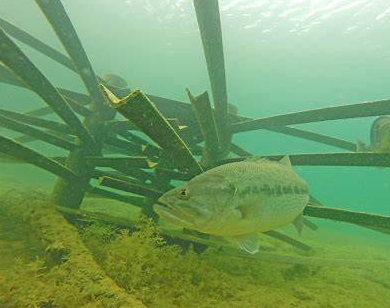
Fish don’t randomly scatter — they gather around features that meet their needs for food, oxygen, cover, and suitable temperature. Knowing where fish like to hold helps you target them more effectively. Structures like weed beds, drop‑offs, underwater cover, brush piles, rocky points, and current seams attract fish because they concentrate prey and provide safety. Locating these structures increases your chances of success.
Understanding water flow, structure, and behavior patterns lets you predict where fish are likely to be rather than just throwing lures aimlessly.
Step‑by‑Step Instructions to Find Fish
1. Read the Water Surface and Structure
Observe the water and landscape:
- Look for submerged structures such as rock formations, drop‑offs, weed lines, and fallen timber — fish often use them as ambush points.
- In rivers, features like pools, runs, and riffles concentrate food and oxygen.
2. Use Natural Light and Shade to Your Advantage
Stand with the sun at your back — this reduces glare and makes shadows and movement below the surface easier to see. With polarized sunglasses, you can often spot schools and structures where fish gather.
3. Look for Feeding Activity
Fish movement often betrays their presence:
- Surface splashes, baitfish chasing insects, or birds diving can signal active fish below.
- Watch for areas where insect hatches are occurring — trout and bass often feed in these zones.
4. Check Depth Changes and Drop‑offs
Fish use temperature gradients and oxygen levels to regulate where they hang out:
- In hot weather, fish may move deeper or into shaded areas.
- In cooler conditions, fish often roam shallower water feeding actively.
5. Mark and Recall Productive Spots
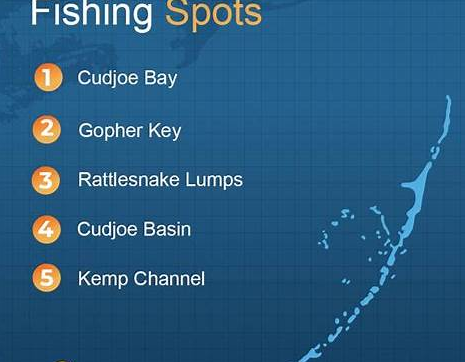
Once you find a productive area, mark it with GPS or memory. Over time, patterns emerge that tell you when and where fish are most likely to be.
Common Mistakes Anglers Make
Ignoring underwater structure — ignoring cover and depth changes leads to fishing lifeless water.
Fishing without observing conditions — sunlight, wind, and temperature affect where fish feed and hold.
Not scouting before fishing — paddling or walking a bit to explore water features can drastically increase success.
Relying solely on one spot — water bodies change over time; fish move, so don’t be afraid to explore new areas.
Pro Tips from Experienced Anglers
Use polarized sunglasses — they cut surface glare and make structures and fish movement clearer.
Talk to local anglers — local knowledge can reveal patterns that aren’t obvious from maps alone.
Vary depth and presentation — when fishing a structure, try different lure depths until you find the strike zone.
Look for oxygen‑rich spots — fish gather where currents meet, around inflows, and where waves break; these areas bring food and fresh water.