Spincast Reel Guide: Setup, Tips & Beginner Fishing Advice
If you’ve ever taught a kid to fish or helped a friend try fishing for the first time, chances are you handed them a spincast reel. I still keep one in my tackle bag for casual trips, especially when introducing new anglers to the sport. It’s simple, reliable, and surprisingly effective in the right situations.
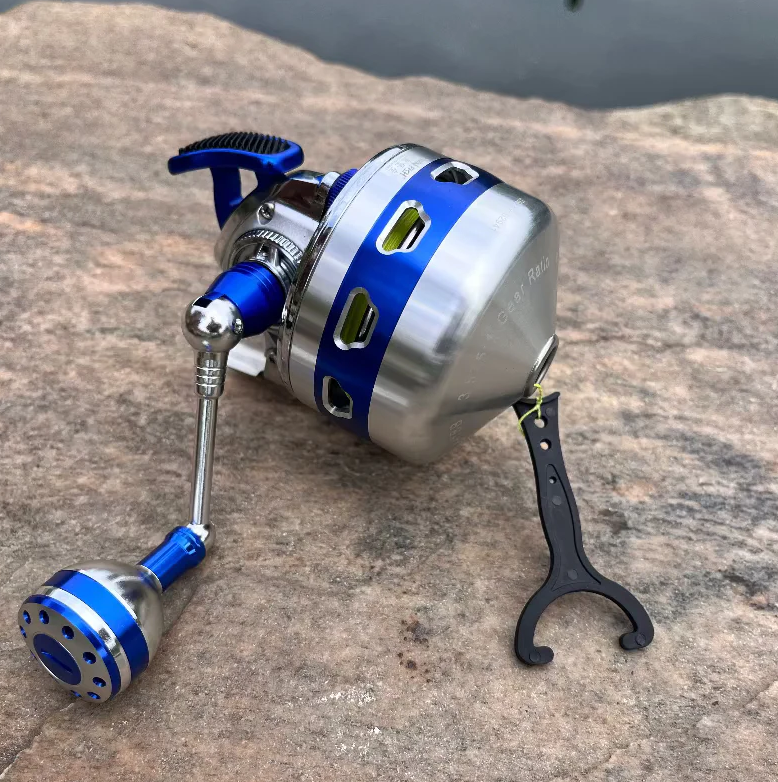
A spincast reel—often called a closed-face reel—is one of the easiest fishing reels to use. It features a covered spool and a push-button casting mechanism that allows anglers to cast with minimal effort.
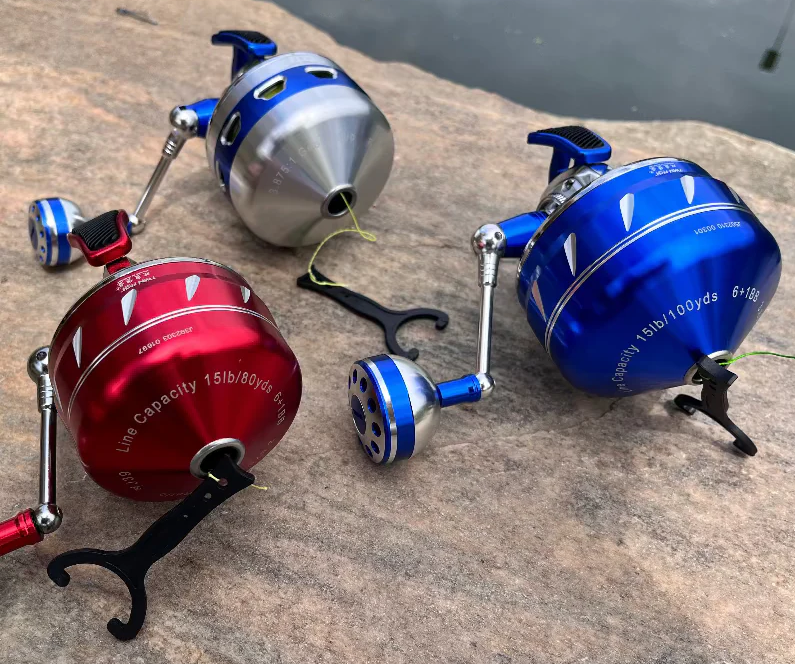
Unlike spinning or baitcasting reels, the spool is enclosed inside a metal housing (often called a nose cone) that protects the line and reduces tangles.
Because of this design, spincast reels are widely recommended for:
- beginners learning to fish
- children and casual anglers
- simple freshwater fishing setups
In this guide, I’ll walk through everything you need to know about spincast reels—from how they work to when they’re the right choice for your fishing style.
What Is a Spincast Reel
A spincast reel is a closed-face fishing reel designed to simplify casting and reduce line tangles. It combines elements of spinning reels and baitcasting reels but removes many of the complicated adjustments required by those systems.
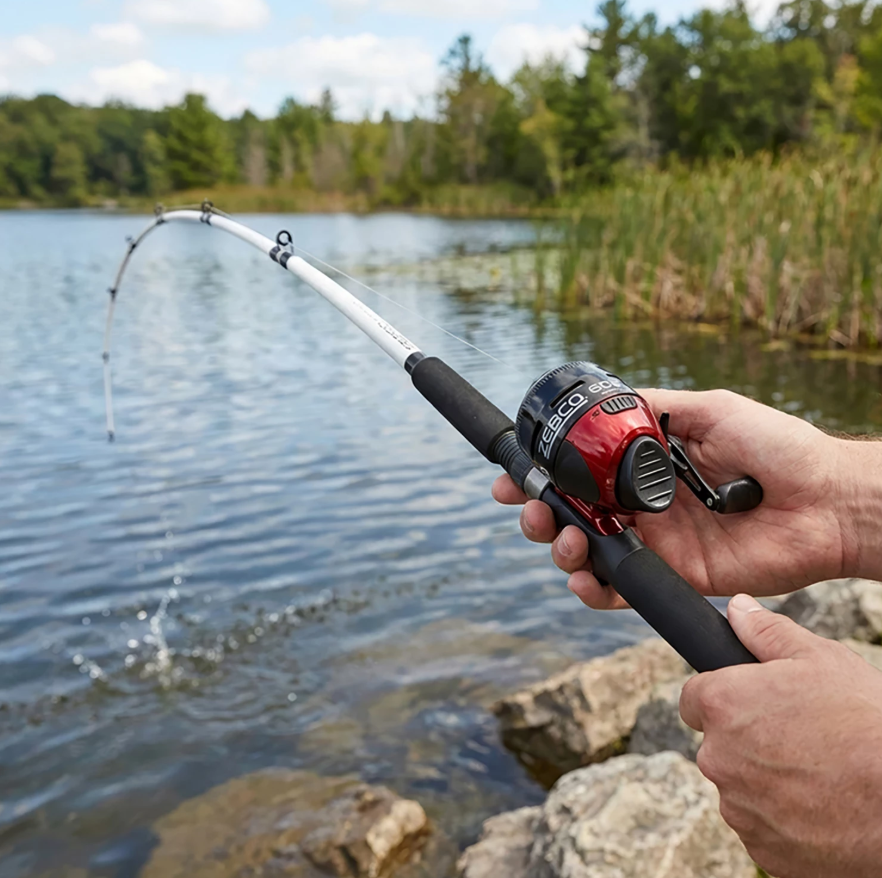
The reel typically sits on top of the rod and uses a push-button casting system.
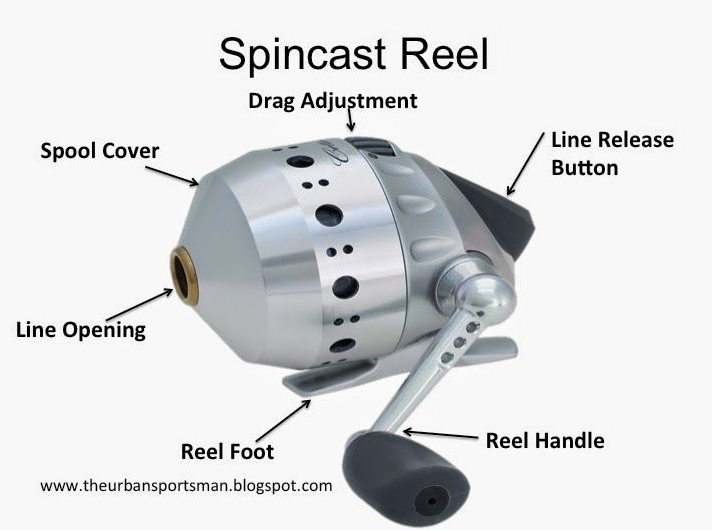
Basic parts of a spincast reel include:
- enclosed spool housing
- push-button casting trigger
- pickup pins for retrieving line
- drag adjustment system
- handle and gear mechanism
To cast, the angler presses and holds the button, swings the rod forward, and releases the button at the right moment. The lure’s momentum pulls the line from the spool.
Because the line comes out through a small opening in the reel’s cover, tangles are less likely compared with other reel types.
How a Spincast Reel Works
A spincast reel works through three main components: spool mechanism, drag system, and line release system.
Spool Mechanism
Inside the reel housing is a fixed spool that holds the fishing line. The spool itself does not rotate during casting. Instead, the line is released through a small hole in the nose cone when the button is released.
During retrieval, pickup pins rotate around the spool and wrap the line back onto it.
This design helps prevent line backlash, which is a common issue with baitcasting reels.
Drag System
The drag system regulates how much resistance the reel applies when a fish pulls the line.
Most spincast reels use a simple drag adjustment dial located on the top or back of the reel. The drag allows line to release gradually when a fish makes a strong run, preventing the line from snapping.
While spincast drag systems are usually less powerful than those on baitcasting or spinning reels, they work well for small to medium fish species.
Line Release
The defining feature of a spincast reel is the push-button casting system.
Casting works like this:
- Press and hold the button
- Swing the rod forward
- Release the button at the peak of the cast
When you release the button, the line flows from the spool and carries the lure forward.
This simple design makes spincast reels extremely beginner-friendly.
Advantages of a Spincast Reel
Spincast reels have remained popular for decades for several reasons.
Extremely Easy to Use
Push-button casting makes spincast reels ideal for beginners.
Minimal Line Tangles
The enclosed spool protects the line and reduces tangles and knots.
Affordable
Most spincast reels are inexpensive, making them great starter gear.
Great for Light Tackle Fishing
Spincast reels work well with light lines and small lures.
Perfect for Learning
Many anglers start fishing with spincast gear before moving on to spinning or baitcasting reels.
Disadvantages of a Spincast Reel
Despite their simplicity, spincast reels have some limitations.
Shorter Casting Distance
The nose cone opening creates friction, reducing casting distance compared with spinning reels.
Limited Power
Spincast reels are not designed for heavy lines or large fish.
Lower Line Capacity
They usually hold less fishing line than spinning or baitcasting reels.
Fewer Advanced Features
Most spincast reels have simpler drag systems and fewer adjustable settings.
For experienced anglers targeting larger fish, spinning or baitcasting reels may offer better performance.
Best Fishing Techniques for a Spincast Reel
Spincast reels work best with straightforward fishing methods.
Casting
Simple casting techniques are where spincast reels shine. Their push-button system makes casting easy for beginners.
Light Tackle Fishing
These reels perform well with:
- small crankbaits
- worms
- lightweight spinners
Bass Fishing
While not ideal for heavy cover, spincast reels can still catch bass using lightweight rigs.
Casual Shore Fishing
For relaxed fishing trips from docks, ponds, or small lakes, spincast reels are a great choice.
What Fish Can You Catch with a Spincast Reel
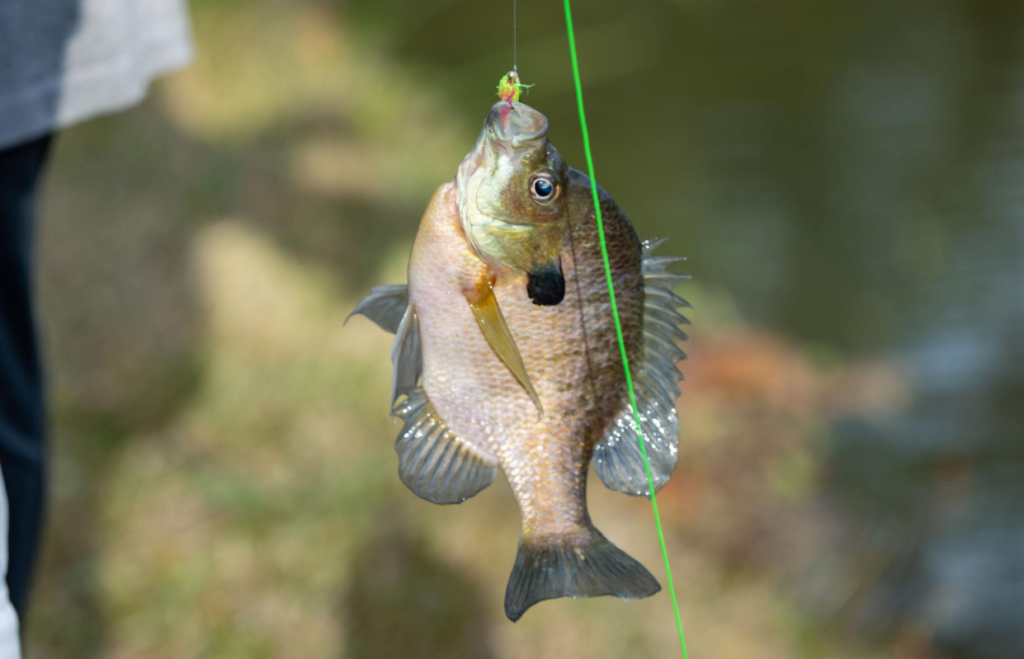
Spincast reels are commonly used for small to medium freshwater species.
Typical targets include:
Freshwater Fish
- Bluegill
- Crappie
- Perch
- Trout
- Small bass
Many anglers use spincast setups when fishing for panfish because they handle lightweight lures well.
Light Saltwater Species
While not common, stronger spincast reels can handle small coastal fish in calm waters.
How to Choose the Right Spincast Reel
When buying a spincast reel, consider these factors.
Reel Size
Most spincast reels come in small sizes designed for light fishing.
Typical line ratings:
| Reel Size | Line Rating | Best Use |
|---|---|---|
| Small | 6–8 lb | Panfish |
| Medium | 8–10 lb | Trout and bass |
| Large | 10–12 lb | Larger freshwater fish |
Gear Ratio
Gear ratio controls how quickly the reel retrieves line.
Spincast reels often use lower gear ratios because they focus on simplicity rather than speed.
Drag Strength
Choose a reel with a smooth drag if you plan to target larger fish.
Line Compatibility
Most spincast reels work best with:
- monofilament fishing line
- light fishing lines (6–10 lb test)
Many models are not designed for braided line.
Spincast Reel vs Other Fishing Reels
| Reel Type | Skill Level | Best Use | Casting Distance | Control |
|---|---|---|---|---|
| Spincast Reel | Beginner | Casual fishing | Moderate | Very Easy |
| Spinning Reel | Beginner–Intermediate | Light tackle | Good | Easy |
| Baitcasting Reel | Intermediate–Advanced | Heavy lures | Excellent | High |
| Fly Reel | Advanced | Fly fishing | Technique-based | Moderate |
Spincast reels are the simplest option, while spinning and baitcasting reels offer more performance for experienced anglers.
Common Mistakes When Using a Spincast Reel
Even simple reels can be used incorrectly.
Overfilling the Line
Too much line can cause tangles inside the reel.
Casting Too Hard
Smooth casting works better than forceful casting.
Ignoring Drag Settings
A poorly set drag can cause lost fish.
Using Heavy Lures
Spincast reels perform best with light lures.
Pro Tips from Experienced Anglers
After many years of fishing with beginners, here are some useful tips.
Start with Lightweight Lures
Small lures are easier to cast with spincast gear.
Use Quality Monofilament Line
Monofilament works best with spincast reels.
Practice Casting in Open Areas
Practicing on land improves casting accuracy.
Rinse the Reel After Fishing
If fishing in dirty or salty water, rinse the reel to extend its lifespan.
Final Thoughts
Spincast reels might not have the power or versatility of spinning or baitcasting reels, but they fill an important role in fishing.
They are:
- simple
- reliable
- beginner-friendly
For new anglers, children, or casual fishing trips, a spincast reel is one of the best tools to start with. Once you gain experience, you may eventually explore spinning or baitcasting gear—but the humble spincast reel will always have a place in the fishing world.
Frequently Asked Questions
Are spincast reels good for beginners
Yes. Spincast reels are widely considered the easiest type of fishing reel for beginners. The push-button casting system makes them simple to operate, and the enclosed spool helps prevent tangles and backlash. This allows new anglers to focus on learning basic fishing skills instead of dealing with complicated equipment.
Can you catch bass with a spincast reel
Yes. Spincast reels can catch bass, especially when using lightweight lures or fishing in open water. However, for heavy cover or large bass, spinning or baitcasting reels usually provide better power and control.
What line works best on a spincast reel
Most spincast reels perform best with monofilament fishing line in the 6- to 10-pound test range. Heavier lines or braided lines may not work well with smaller spincast reels.
Are spincast reels good for kids
Absolutely. Spincast reels are one of the best choices for children learning how to fish. The push-button casting system makes it easy to control the line and reduces frustration caused by tangles.
How long does a spincast reel last
With proper care, a spincast reel can last several seasons of casual fishing. Regular cleaning and proper storage will help extend the reel’s lifespan.