Fly Fishing Reel Guide: Setup, Techniques & Buying Tips
If you’ve ever stood in a quiet river at sunrise with a fly rod in your hand, you already know that fly fishing is a little different from other styles of fishing. The rhythm of casting, the delicate presentation of a fly on the water, and the moment a trout rises to strike—it’s a style of fishing that blends skill, patience, and a bit of art.
In the middle of that setup sits a tool that many beginners underestimate: the fly fishing reel. While it might look simple compared to spinning or baitcasting reels, it plays an important role in line control, balance, and fighting fish.
A fly fishing reel is designed to hold fly line and provide controlled tension when a fish runs. Its mechanical design is usually simple, with fewer moving parts than most other fishing reels.
Unlike conventional fishing reels, fly reels don’t rely on the lure’s weight to pull line during casting. Instead, the fly line itself carries the weight and momentum needed for casting, while the reel mainly stores line and helps manage tension when fighting fish.
For many anglers, fly fishing reels become part of a carefully balanced system that includes the rod, line, leader, and fly.
What Is a Fly Fishing Reel
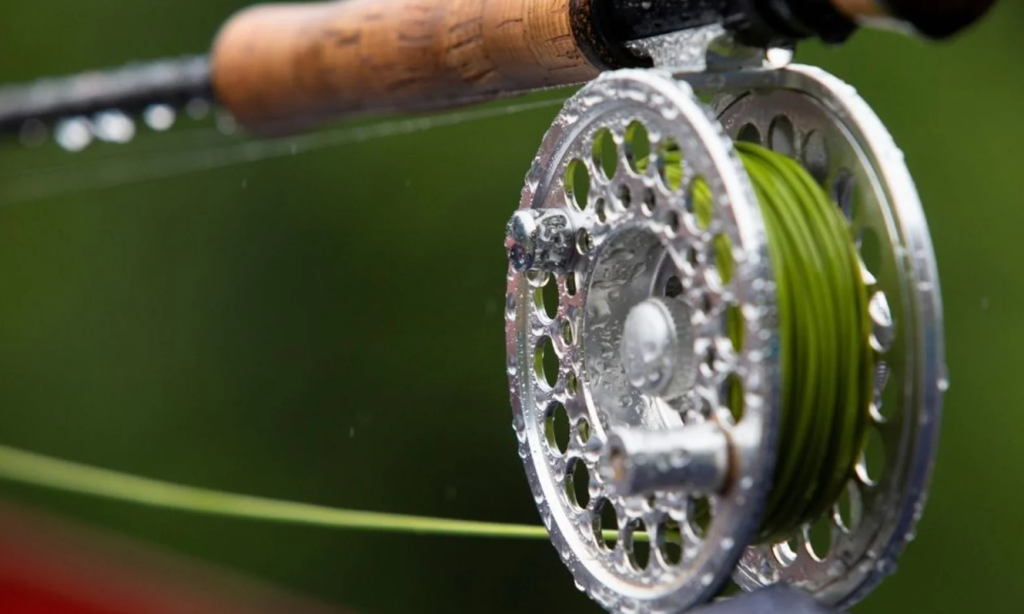
A fly fishing reel is a specialized reel designed for fly fishing setups. It attaches beneath the fly rod and holds several types of line:
- fly line
- backing line
- leader and tippet
The reel’s primary functions include:
- storing fly line
- maintaining proper tension during a fish run
- balancing the fly rod for comfortable casting
Historically, fly reels have been relatively simple mechanical devices. Early designs often used lightweight metal frames and simple click-and-pawl drag systems that produced the familiar clicking sound anglers associate with fly fishing.
Even today, many modern fly reels maintain this straightforward design philosophy.
How a Fly Fishing Reel Works
Although fly reels appear simple, they rely on several important components that help manage line and fight fish effectively.
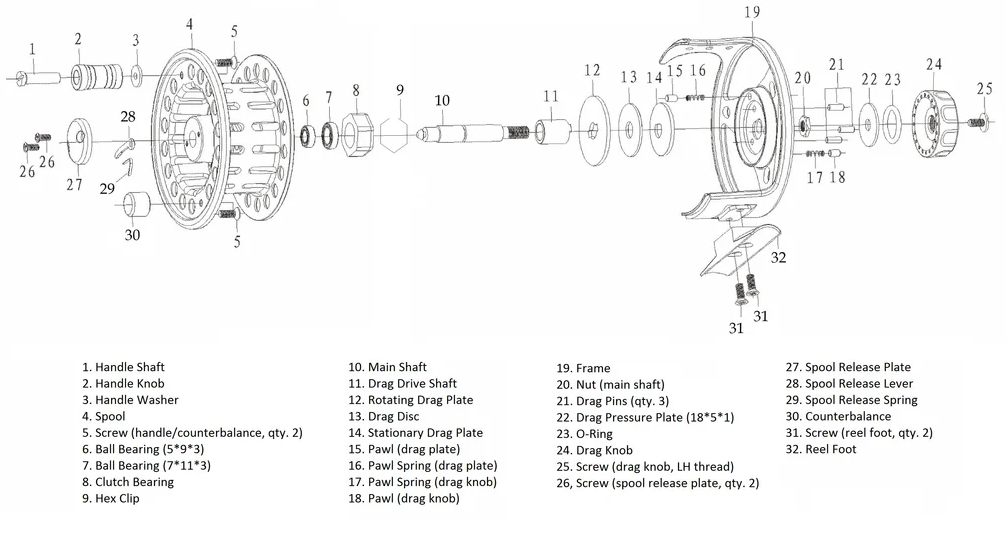
Spool Mechanism
The spool is the central drum that holds the fly line and backing. When an angler reels in line, the handle rotates the spool directly.
Many fly reels use a 1:1 retrieval ratio, meaning one turn of the handle rotates the spool once.
Unlike spinning reels or baitcasters, fly anglers often retrieve line by hand while fighting fish and use the reel primarily to store excess line.
Drag System
The drag system controls how much resistance is applied when a fish pulls line from the reel.
This system protects the line and leader from breaking by allowing the spool to rotate under controlled pressure.
Common drag systems include:
- click-and-pawl drag
- disc drag systems
- sealed drag systems
Disc drag designs often use friction materials like carbon fiber or Teflon to provide smooth and adjustable resistance.
Line Release
When a fish runs, the line pulls directly from the spool. The drag system regulates this motion and prevents the spool from spinning uncontrollably.
Anglers sometimes also apply additional pressure using their palm against the spool rim—a technique known as “palming the reel.”
This combination of mechanical drag and manual control gives fly anglers precise control during a fight.
Advantages of a Fly Fishing Reel
Fly fishing reels offer several advantages for anglers who enjoy this specialized fishing style.
Simple and Reliable
Fly reels have fewer moving parts than many other reel types, which means fewer mechanical issues.
Excellent Line Management
They store long lengths of fly line and backing, making them ideal for fish that make long runs.
Smooth Drag for Fighting Fish
A quality drag system protects delicate leaders and tippets when a fish surges.
Balanced Fly Rod Setup
Fly reels help counterbalance the rod, making casting smoother and less tiring.
Perfect for Precision Presentation
Fly fishing is about presenting an artificial fly naturally on the water. Fly reels support this technique by managing line effectively.
Disadvantages of a Fly Fishing Reel
Fly reels also have some limitations compared with other fishing reels.
Limited Retrieval Speed
Because of the typical 1:1 gear ratio, fly reels retrieve line more slowly than spinning or baitcasting reels.
Specialized Use
Fly reels are designed specifically for fly fishing and cannot easily be used for other fishing techniques.
Learning Curve
Fly fishing requires learning casting techniques that are different from traditional lure casting.
Higher Equipment Cost
A complete fly fishing setup—including rod, reel, line, and flies—can be more expensive than basic fishing gear.
Best Fishing Techniques for a Fly Fishing Reel
Fly fishing reels are used in several popular techniques.
Fly Casting
The most common method is standard fly casting, where the fly line carries the lightweight fly toward the target.
Stream Fishing
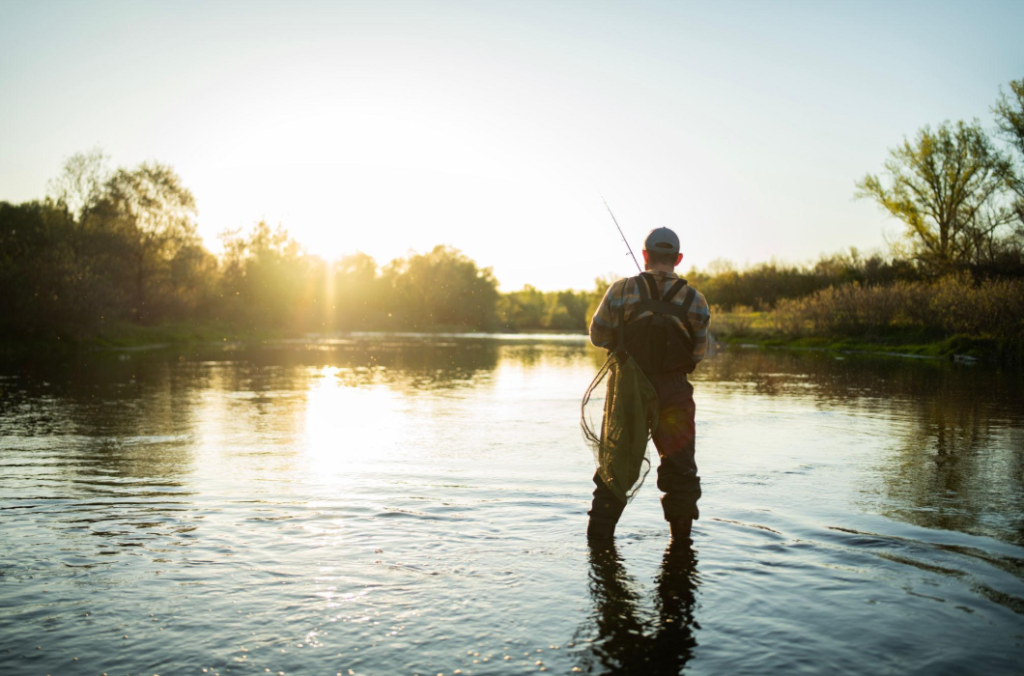
Fly anglers often fish rivers and streams, targeting trout that feed on insects drifting with the current.
Stillwater Fishing
Lakes and ponds also offer excellent fly fishing opportunities for species like trout and bass.
Saltwater Fly Fishing
Some anglers use heavy fly setups to target saltwater species like tarpon, bonefish, and redfish.
What Fish Can You Catch with a Fly Fishing Reel
Fly reels can handle a wide variety of fish species.
Freshwater Species
- Trout
- Bass
- Grayling
- Pike
Saltwater Species
- Bonefish
- Tarpon
- Redfish
- Striped bass
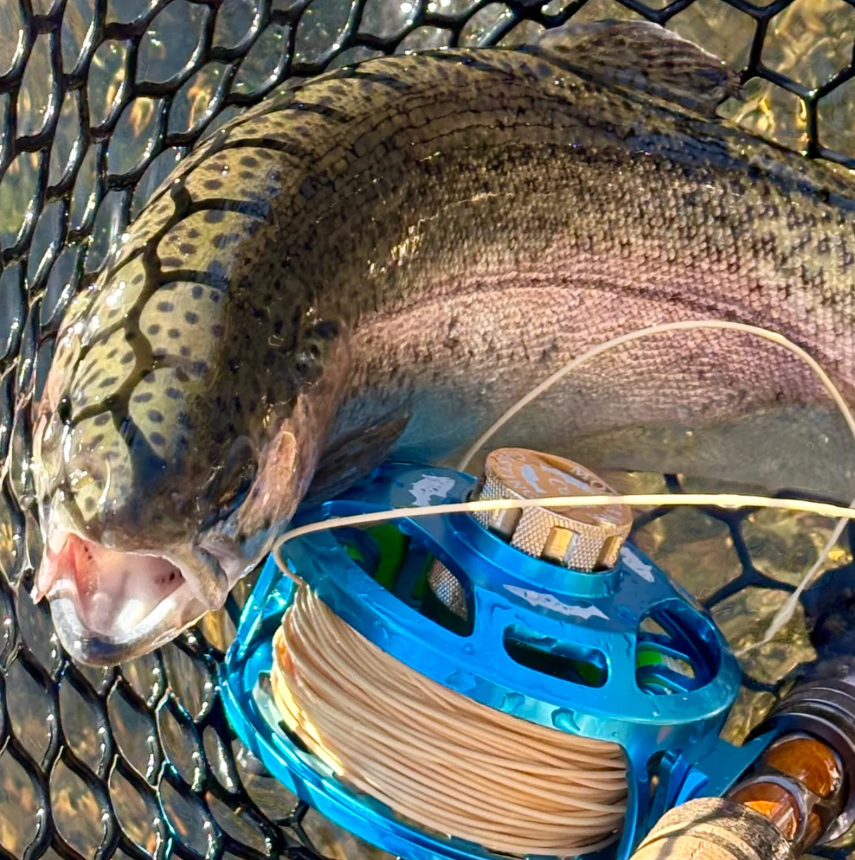
Because many fish make long runs, having enough backing line on the reel is important—especially for species like salmon or saltwater fish.
How to Choose the Right Fly Fishing Reel
Choosing the right fly reel depends on several factors.
Reel Size
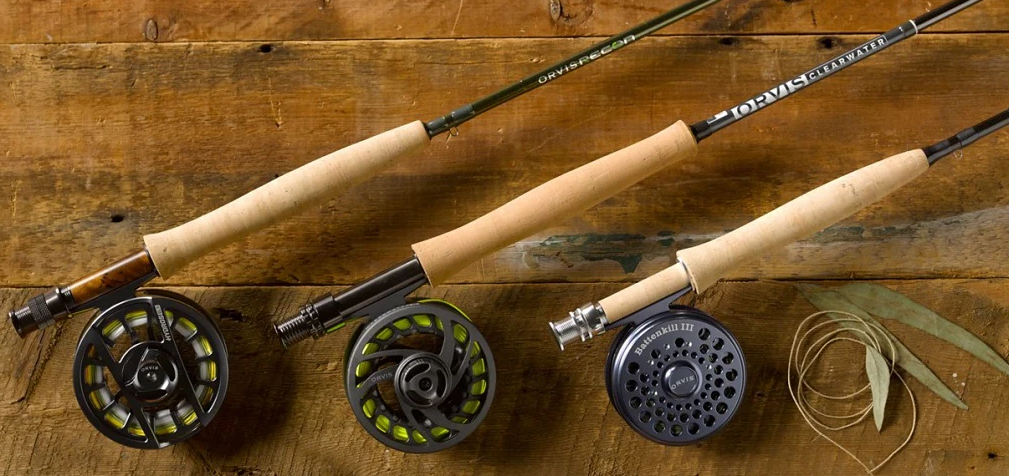
Fly reels are usually matched to the rod weight.
| Rod Weight | Typical Reel Size |
|---|---|
| 3–5 wt | Small trout reels |
| 5–7 wt | All-around freshwater reels |
| 7–10 wt | Large fish or saltwater |
Gear Ratio
Most fly reels operate with a 1:1 retrieval ratio.
Drag Strength
Larger fish require stronger drag systems, especially when fishing for salmon or saltwater species.
Line Compatibility
Fly reels must accommodate:
- fly line
- backing line
- leader and tippet
Matching the reel to the rod weight ensures balanced casting performance.
Fly Fishing Reel vs Other Fishing Reels
| Reel Type | Skill Level | Best Use | Casting Distance | Control |
|---|---|---|---|---|
| Fly Fishing Reel | Intermediate | Fly fishing | Technique-based | High |
| Spinning Reel | Beginner | Light tackle | Good | Easy |
| Baitcasting Reel | Advanced | Heavy lures | Excellent | High |
| Spincast Reel | Beginner | Casual fishing | Moderate | Very Easy |
Fly reels are designed specifically for fly fishing and rely on fly line weight rather than lure weight to cast effectively.
Common Mistakes When Using a Fly Fishing Reel
Beginners often make several mistakes when starting fly fishing.
Using Too Little Backing
Large fish can run far, so adequate backing is essential.
Improper Drag Setting
A poorly adjusted drag can cause breakoffs when a fish runs.
Poor Line Management
Loose fly line can tangle easily if not handled carefully.
Ignoring Reel Maintenance
Regular cleaning and lubrication help extend reel lifespan.
Pro Tips from Experienced Anglers
Here are a few tips that can improve your fly fishing experience.
Match the Reel to Your Rod
Balanced gear improves casting performance.
Practice Casting on Land
Fly casting requires practice and muscle memory.
Use Large Arbor Reels
Large arbor reels retrieve line faster and reduce line memory.
Adjust Drag Before Fishing
Proper drag settings protect your line during long runs.
Final Thoughts
Fly fishing reels might look simple, but they play a crucial role in managing line and fighting fish. While they lack the mechanical complexity of spinning or baitcasting reels, their elegant design fits perfectly with the art of fly fishing.
For anglers who enjoy rivers, delicate presentations, and the thrill of watching a trout rise to a drifting fly, a quality fly reel is an essential part of the setup.
Frequently Asked Questions
Do you really need a fly reel for fly fishing
Yes. While the reel is not responsible for casting the fly, it stores the fly line and provides controlled tension when fighting fish. It also balances the fly rod for smoother casting.
What is the difference between large arbor and standard fly reels
Large arbor reels have a wider spool diameter, allowing faster line retrieval and reduced line memory. They are commonly used for larger fish or saltwater fly fishing.
Are fly fishing reels interchangeable
Fly reels can sometimes be used with different rods, but they should match the rod weight and line size for optimal balance and performance.
How much backing should a fly reel hold
The amount of backing depends on the species being targeted. Many salmon or saltwater setups require 150–200 yards of backing to handle long fish runs.
Can beginners use fly fishing reels easily
Yes, although fly fishing itself has a learning curve. With practice and proper instruction, beginners can quickly learn how to manage line and use the reel effectively.