Best Fishing Reel for Beginners: Complete Starter Guide
Choosing the best fishing reel for beginners can make a huge difference when starting your lure fishing journey. A beginner-friendly reel should be easy to use, reliable, and capable of handling common fishing techniques without frustration.
Many new anglers struggle with tangled lines, poor casting control, or gear that feels too complicated. The right reel eliminates many of these problems and allows beginners to focus on learning fishing techniques instead of fighting their equipment.
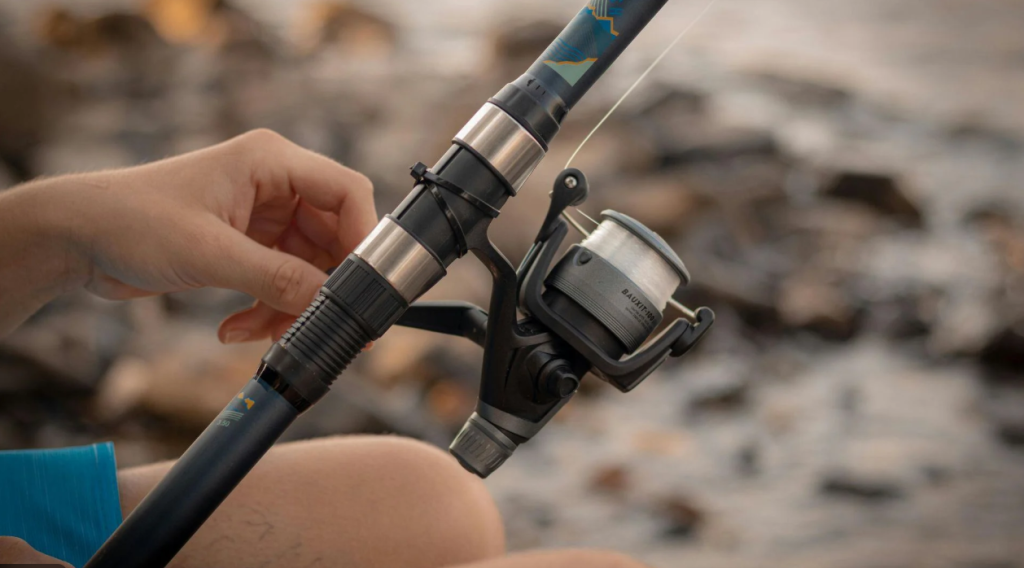
In most cases, beginners start with spinning reels, because they are simple to operate and have a short learning curve. Spinning reels allow the line to unwind freely from a fixed spool, making casting easier and reducing the chance of line tangles.
This guide explains how to choose the best fishing reel for beginners, the key features to look for, and how different reel types compare for new anglers.
Why Choosing the Right Reel Matters
Your fishing reel is the heart of your best fishing setup. It controls how you cast, retrieve, and fight fish.
For beginners, the right reel helps with:
- Smooth casting
- Better lure control
- Fewer tangles
- Improved learning experience
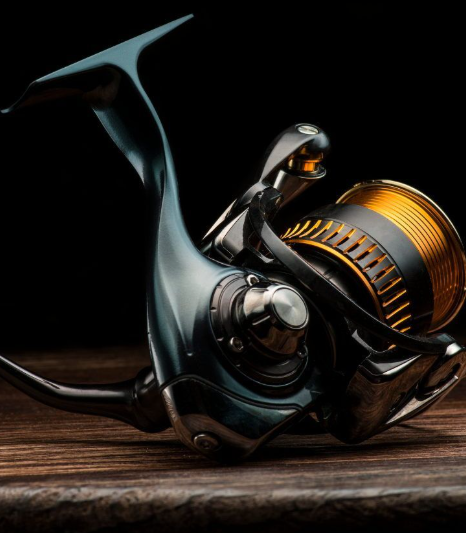
Spinning reels are often recommended for beginners because they are easy to cast and less likely to create backlash compared with baitcasting reels.
Using beginner-friendly equipment also helps anglers develop confidence while learning new fishing techniques.
What Beginners Should Look For in a Fishing Reel
When selecting beginner fishing gear, there are several important factors to consider.
Ease of Use
The most important feature for beginners is simplicity.
Reels that are easy to operate allow new anglers to focus on learning casting and lure presentation instead of dealing with complicated controls.
Spinning reels are widely considered the easiest reel type to use because they have fewer adjustments and a forgiving casting system.
Reel Size
Most beginner anglers should start with a 2000–3000 size spinning reel.
These reels provide enough line capacity while remaining lightweight and easy to handle.
They also match well with medium or medium-light rods commonly used in lure fishing.
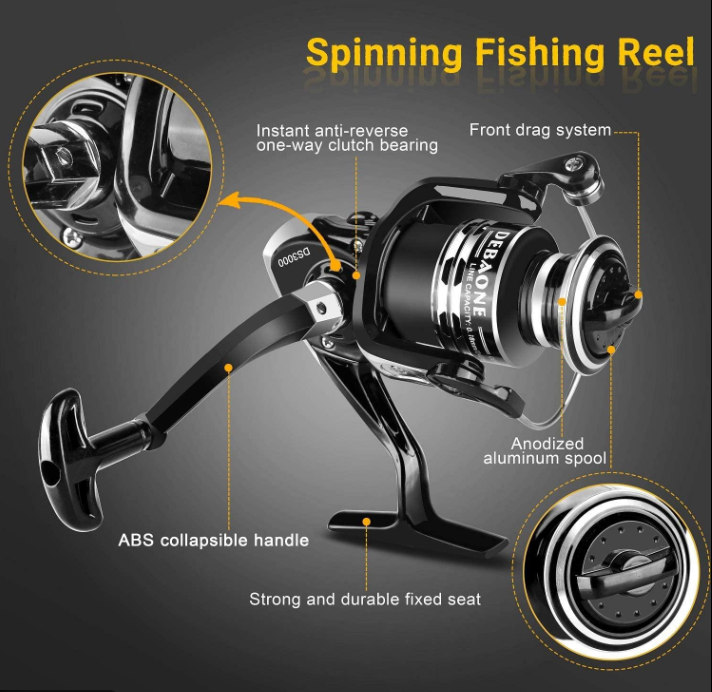
Smooth Drag System
A good drag system helps control fish during the fight.
Beginners should choose a reel with a smooth adjustable drag that allows the line to release gradually when a fish pulls hard.
Smooth drag systems help prevent line breakage and make landing fish easier.
Durability
Fishing gear takes a lot of abuse, especially for beginners.
Look for reels made with:
- graphite or aluminum bodies
- corrosion-resistant components
- sealed bearings
These features help extend the life of the reel.
Gear Ratio
The gear ratio determines how quickly the reel retrieves line.
For beginners, a moderate gear ratio around 5.2:1 to 6.2:1 works well for most fishing situations.
This range offers a good balance between speed and control.
Types of Fishing Reels for Beginners
Understanding different reel types helps anglers choose the right gear.
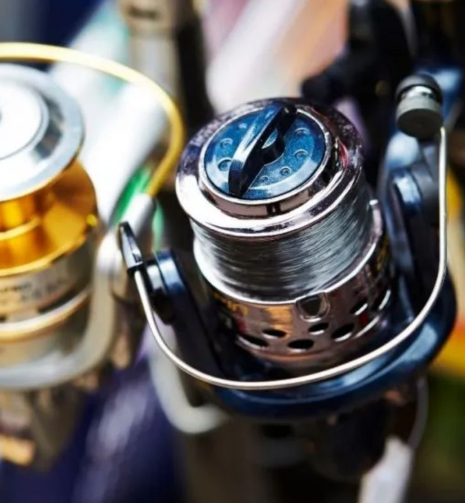
Spinning Reels
Spinning reels are the most common choice for beginner anglers.
Advantages
- Easy to use
- Minimal learning curve
- Great for lighter lures
- Fewer line tangles
These reels are ideal for many lure fishing techniques such as:
- soft plastics
- small crankbaits
- finesse fishing
Disadvantages
- Slightly less casting accuracy
- Limited power for heavy lures
Spinning reels are often recommended as the best fishing reel for beginners because of their simple design and versatility.
Baitcasting Reels
Baitcasting reels are widely used by experienced anglers.
Advantages
- Greater casting accuracy
- Better control with heavy lures
- Higher line strength capacity
Disadvantages
- Harder to learn
- Backlash (bird nests) can occur
- Requires more skill
Because baitcasters require thumb control and precise spool management, they are generally recommended after anglers gain some experience.
Spincast Reels
Spincast reels are another beginner option.
These reels use a push-button casting system that is extremely easy to operate.
Advantages
- Very beginner-friendly
- Minimal tangles
- Simple operation
Disadvantages
- Lower durability
- Limited casting distance
- Lower drag performance
Many anglers start with spincast reels but eventually upgrade to spinning gear.
Pros and Cons of Different Reel Types
| Reel Type | Pros | Cons | Best For |
|---|---|---|---|
| Spinning Reel | Easy to use, versatile | Less casting accuracy | Beginners |
| Baitcasting Reel | Precise casting, strong | Learning curve | Experienced anglers |
| Spincast Reel | Very beginner friendly | Limited performance | Kids or casual fishing |
For most beginners, the spinning reel provides the best balance of performance and simplicity.
Key Features to Consider
When choosing the best fishing reel for beginners, these features matter most.
Ball Bearings
Ball bearings improve reel smoothness.
Most beginner reels have 4–7 bearings, which is sufficient for smooth operation.
Drag Strength
The drag system determines how much pressure the reel can handle when fighting fish.
Look for reels with multi-disc drag systems for smoother performance.
Line Capacity
Your reel should hold enough line for your fishing environment.
Typical setups include:
- 6–10 lb line for freshwater fishing
- 10–20 lb braid for bass fishing
Weight
Lightweight reels reduce fatigue when casting all day.
Graphite and aluminum designs help keep reels light without sacrificing strength.
Tips for Choosing the Right Reel
Selecting the right reel becomes easier when you follow a few simple rules.
Start with a spinning reel
Most beginners should begin with a spinning reel setup.
It provides the easiest learning curve and works well for many lure fishing techniques.
Choose a mid-range model
Avoid extremely cheap reels that may break easily.
Instead, look for budget-friendly models from reliable brands.
Many excellent beginner reels are available under $100.
Match the reel with the rod
A good best fishing setup requires a balanced rod and reel combination.
For beginners:
- Medium spinning rod
- 2500 size reel
- 8–10 lb line
This setup works for many species and fishing techniques.
Practice casting techniques
Even the best reel requires practice.
Spend time learning:
- proper casting motion
- drag adjustment
- line management
These skills will improve fishing success more than expensive gear.
Beginner Lure Fishing Setup Example
A simple lure fishing gear guide for beginners might look like this:
Rod
Medium spinning rod (6’6″–7′)
Reel
2500 size spinning reel
Line
10 lb braided line with fluorocarbon leader
Lures
Soft plastics
Small crankbaits
Spinnerbaits
This setup is versatile enough to catch many freshwater species including bass, trout, and pike.
Common Beginner Reel Mistakes
Many new anglers make the same gear mistakes.
Avoid these common problems.
Buying gear that is too advanced
Complicated reels make learning harder.
Start with simple equipment.
Ignoring reel size
A reel that is too large or too small affects casting performance.
Not adjusting the drag
Beginners often set the drag too tight.
Always allow fish to pull line during strong runs.
Final Thoughts
Choosing the best fishing reel for beginners doesn’t have to be complicated.
Focus on:
- simple operation
- reliable drag
- balanced setup
For most new anglers, a 2500 size spinning reel paired with a medium rod offers the perfect starting point.
As your skills improve, you can explore more advanced reels like baitcasters. But starting with beginner-friendly gear ensures a smoother learning experience and more enjoyable time on the water.
With the right equipment and practice, any beginner can quickly become confident in lure fishing.