How to Choose the Right Fishing Hook for Lure Fishing
Choosing the right fishing hook is one of the most important — yet often overlooked — parts of successful lure fishing. The hook you use affects hook‑up rates, lure presentation, and how easily you can extract fish from cover. Whether you’re fishing soft plastics near weeds or casting swimbaits in open water, the correct hook makes all the difference.
Light vs. Heavy Hooks: What’s the Difference?
When selecting hooks, start by considering your fishing environment and bait size. Light hooks are thinner, smaller, and easier for fish to bite through — making them ideal when using smaller baits in open water with minimal cover. These hooks penetrate easily with minimal force, which can improve bite rates when fish are finicky.
Heavy hooks, on the other hand, are thicker, stronger, and designed for dense cover and tough fish. When fishing around heavy grass, woody debris, or other thick obstacles, a light hook may bend, dull, or fail. Heavy hooks paired with heavier line, rods, and larger baits help you pull fish out of thick cover.
Popular Hook Types and When to Use Them
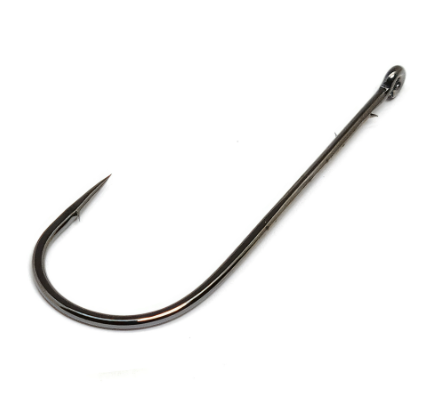
Straight Shank Hooks
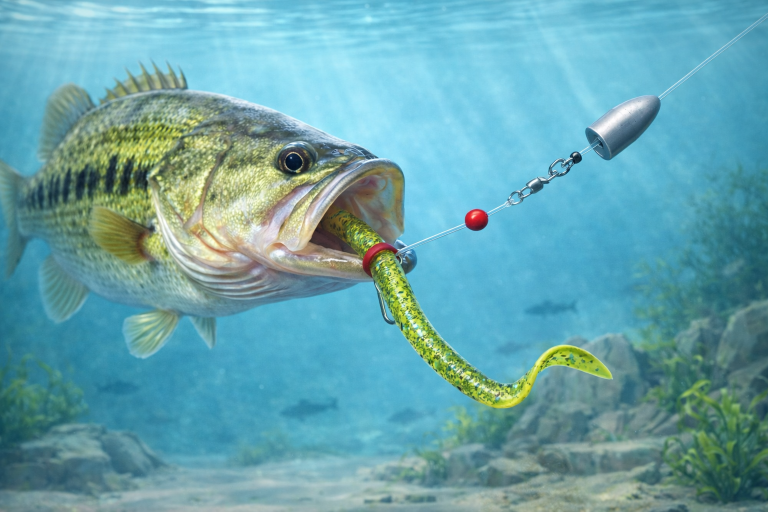
Straight shank hooks are the most basic and versatile hook style. They work well for rigging soft plastics in Texas rigs or weedless setups. These hooks are simple and reliable, but they lack bait‑holding features, so soft plastics tend to slide down the shank unless you use a keeper or other retention method.
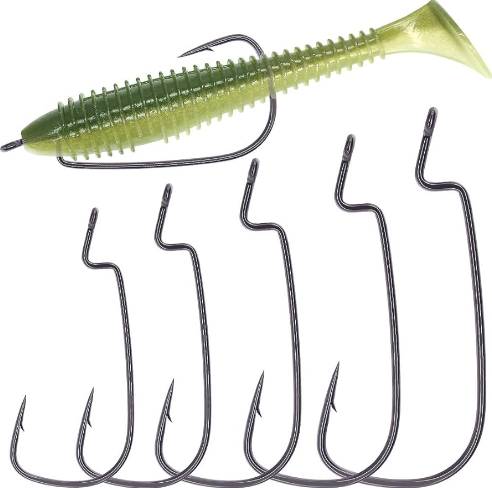
Offset Worm Hooks / Extra Wide Gap (EWG)
Offset and EWG hooks are ideal for many soft plastic presentations like Texas rigs, flipping, and pitching. The offset bend holds bait securely, preventing it from sliding down the hook, and the widened gap increases hooking success. Many anglers find EWG hooks especially effective when fished near structures or heavy cover.
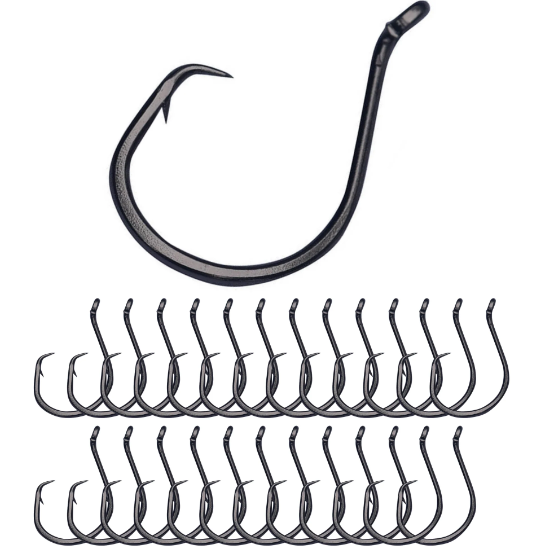
Octopus Hooks
Octopus hooks are compact with a slightly curved shank. Their design helps ensure good contact during hook sets, making them popular for soft plastics like drop‑shot or wacky rigs. They’re often used in finesse fishing because they present smaller lures naturally and increase hooking efficiency in shallow or clear water.
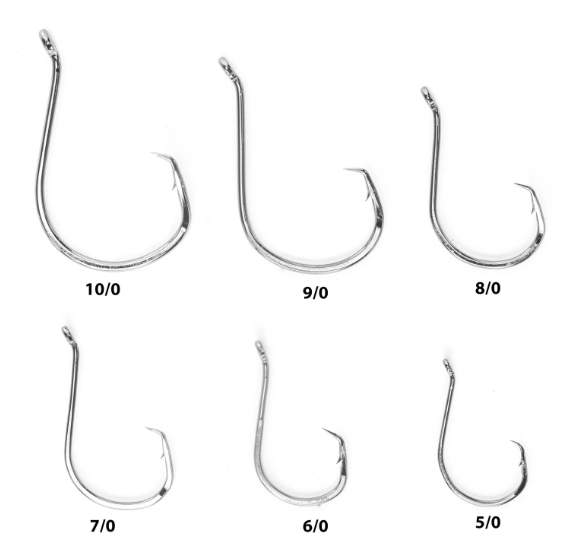
Circle Hooks
Circle hooks feature a unique circular bend with the point angled inward. Unlike traditional hooks, you don’t strike aggressively with a circle hook — instead, you let the fish pull and set the hook itself. This design increases hooking percentages and helps keep fish hooked in the mouth rather than the throat, which is great for catch‑and‑release fishing.
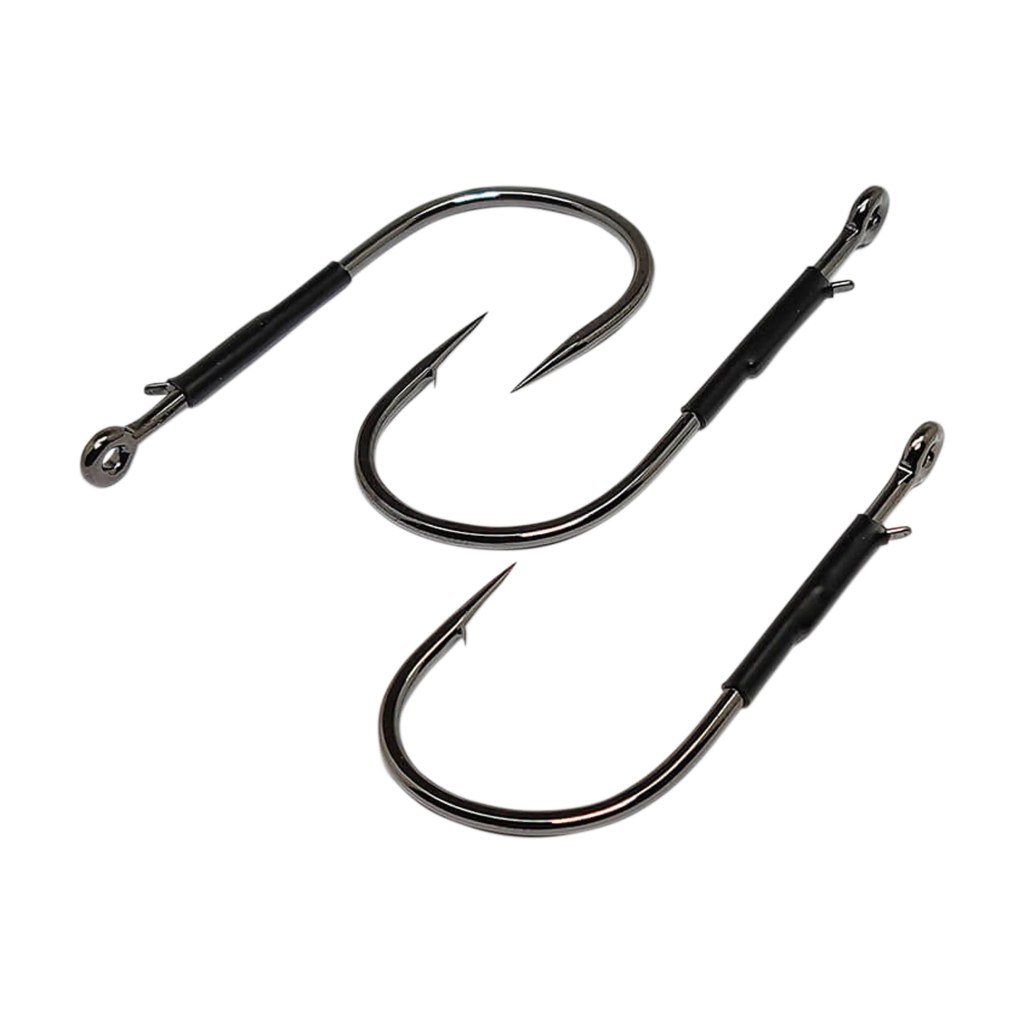
Heavy Cover Worm Hooks
These are oversized, stout hooks built for fishing soft plastics through thick vegetation, mats, or heavy cover. They often include bait‑keepers to hold soft plastics in place. While powerful, their thickness can make precise hooksets more difficult if you don’t need the extra strength, so use them only when conditions require it.
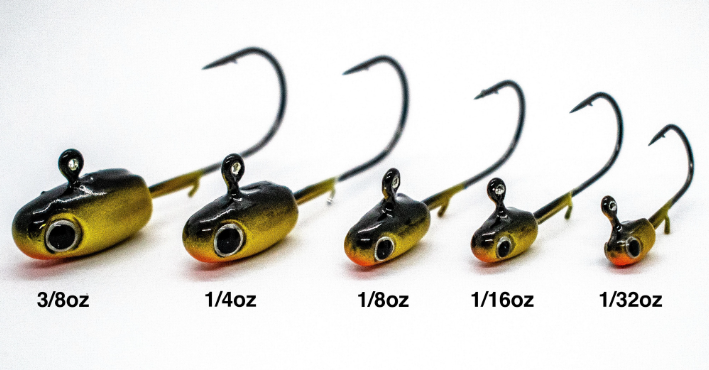
Jig Heads
A jig head combines weight and hook into a single unit. It’s one of the most versatile hook styles, ideal for swimming soft plastics, shrimp‑style baits, and other soft presentations. Jig heads come in various weights and shapes, allowing you to target different depths and presentations.
Tips for Choosing the Right Hook Size and Weight
Match your hook size to the bait size — larger baits need larger hooks with wider gaps.
Use lighter, smaller hooks for finesse setups or clear water, where subtle presentation matters.
Heavier hooks with weighted shanks help your lure reach deeper water faster and maintain proper action.
For soft plastics, always consider how the hook affects lure action and presentation — improper hook choice can make your lure behave unnaturally and reduce bite rates.
Conclusion
Understanding different hook types and when to use them is key to becoming a better lure angler. From finesse soft plastics to heavy‑cover presentations, using the right hook ensures better action, more bites, and fewer lost fish. Take time to match hook style, size, and strength to your bait and fishing conditions — and you’ll see your catch rates improve.
Thanks, I’m just a beginner who’s only fished in small ponds once or twice. I’ve learned something new.
What kind of hook is best for lure fishing along the coast?
For sea fishing, you can try round hooks, as well as the more common jig hooks and treble hooks.