Walleye Fishing Techniques: How to Catch Walleye Successfully
If there’s one fish that every freshwater angler remembers, it’s the walleye. A huge eye that lights up in low light, an elusive bite that feels like nothing else on the line, and the way they fight — it’s addictive. Over the years I’ve chased walleye fishing techniques from small backwater lakes to big rivers, and I’m sharing what I’ve learned — the spots where they live, the ways they bite, and how you can stack the odds in your favor.
Walleye aren’t always easy to catch, but the more you understand where they hang out and what they’re feeding on at different times of year, the more predictable — and successful — your trips will become. Let’s dive into this in a way that’ll make sense on the water whether you’re fishing in Minnesota, Ontario, Scotland, or Sweden.
1. Behavior & Environment of Walleye
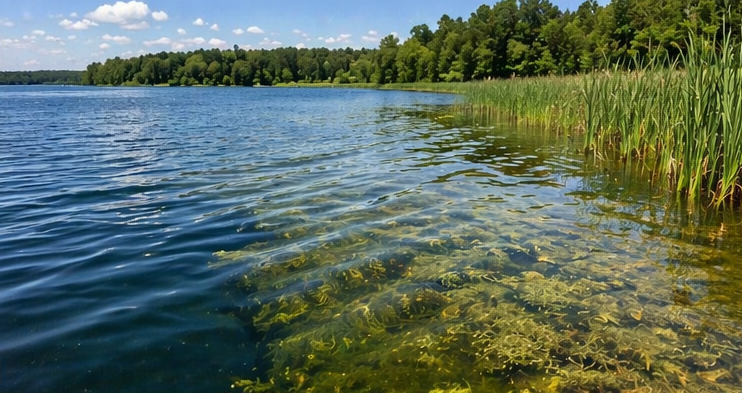
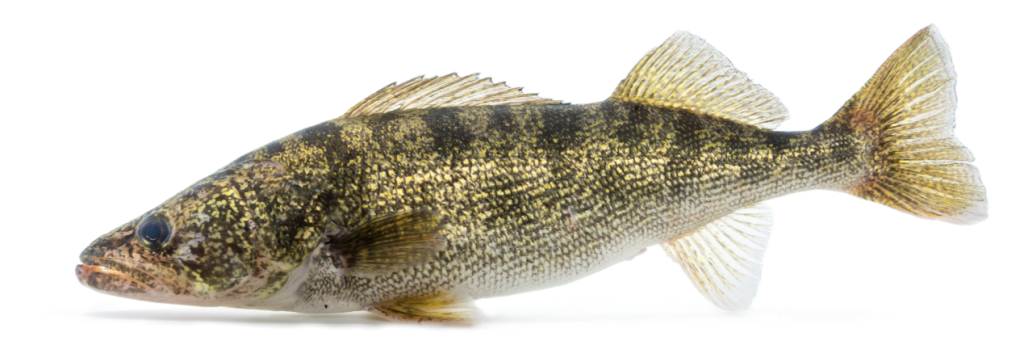
Walleye are a bit of a mystery fish. They’re more active during low light — dawn, dusk, and night — and they love structure. In lakes they’ll often hang on points, humps, drop‑offs, and weed edges; in rivers they relate to current seams, pools, and breaks. You’ll see them move between shallow to mid‑depth areas chasing baitfish as the season warms and then hold deeper during bright day or hot weather.
Unlike bass that often hug visible cover, walleye can be spooky and shy. A long, slow drift over structure or a bait dragged near the bottom can trigger bite after bite, but you’ve really got to be in the target zone — which means reading the bottom and finding the bait. These fish are opportunistic feeders, but they’re also perceptive. Keep presentations natural and low‑key and you’ll see more strikes.
2. Best Fishing Techniques to Catch Walleye
There’s no single “magic” way to catch walleye, but there are patterns that work time after time — and making choices based on conditions makes all the difference.
Jigging
Jigging is a cornerstone of how to catch walleye. A jig tipped with a minnow or soft plastic falls through the water column enticingly, especially over bottom structure. I like to feel that jig bounce or tumble just off the bottom — that’s when walleye will rise and inhale it.
Use different weights based on depth and current, and mix up the jig liftoff and drop till you feel that tap. On a calm lake in shoulder seasons, I’ve watched my sonar light up on suspended fish and dropped a jig to their level for instant action.
Traditional Lindy / Slip Sinker Rigs
One of the oldest and most effective rigs for walleye is the Lindy or slip sinker setup — a weight that slides freely, a swivel, leader, and then a baited hook just off the bottom. Whether you’re drift fishing or anchored over a weedline, letting that bait sit near the bottom can produce serious numbers.
Minnows, nightcrawlers or leeches work great with this rig, and the “tap‑tap” of a light bite that leads into a set is one of the classic walleye feels.
Casting / Trolling Hard Baits
There are days — especially in fall or when walleye are roaming — when casting or slow trolling artificial lures produces quick results. Mid‑diving crankbaits, blade baits, or small hard plastics that imitate baitfish are excellent for covering water and locating fish before you settle in to jig or drift fish.
In larger lakes, trolling at slow speeds lets you sweep flats, points, and weed edges while patterns develop. Sometimes you’ll mark fish on electronics and target them directly; other times good baitwork forces them to reveal themselves.
3. Recommended Gear, Lures, and Bait Choices
Walleye react differently based on depth, light and water conditions, so having a small arsenal is a big advantage.
Rods & Reels
For most walleye fishing you want a medium‑light to medium action spinning rod paired with a reel that holds plenty of line and turns smoothly. This gives good sensitivity for subtle bites but still enough backbone to set hooks and control fish.
Line choice matters too. Monofilament gives some stretch helpful in jigging and slip rigs, while fluorocarbon leaders can be great for clear water when fish are shy. Braided line with a fluorocarbon leader is also a popular combo because it gives sensitivity and low visibility near your presentation.
Baits and Lures
Here are some proven walleye fishing techniques by bait type:
- Live bait: Minnows, leeches, and nightcrawlers are always strong choices. Rig them on a jig or slip‑sinker and let them work near the bottom.
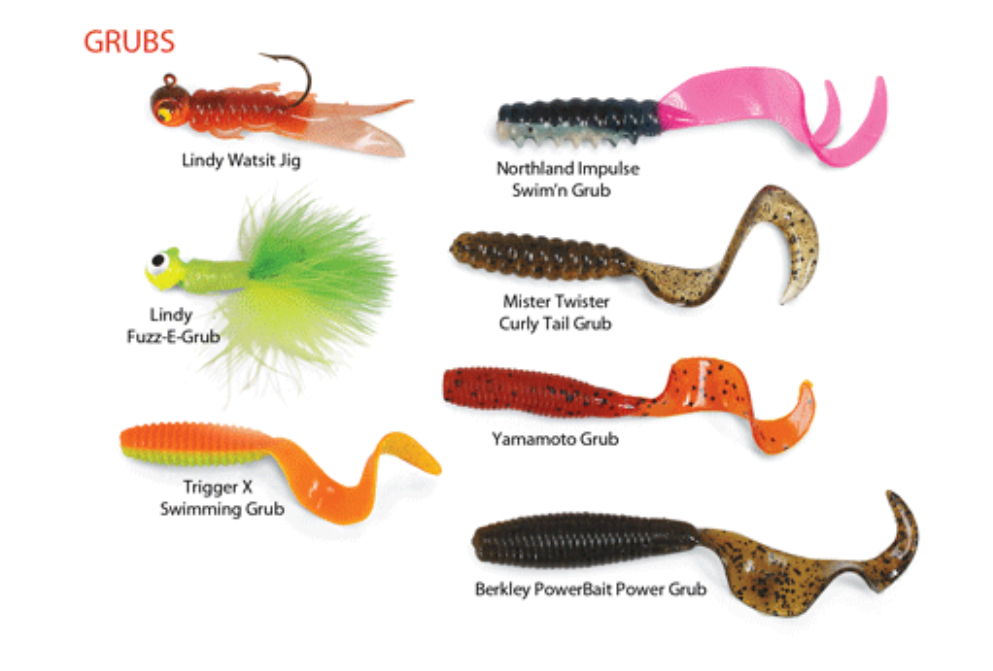
- Jigs & soft plastics: Light football or bullet head jigs, often tipped with fresh minnow or plastic grub, catch fish year‑round.
- Hard plastics & blade baits: Crankbaits and blade baits that imitate small baitfish are excellent for trolling or casting when fish are on the move.
- Spinner rigs: Harness rigs with spinners and live bait are classic for walleye in current or open water.
Color choices for jigs and lures matter less than how they move — but a bit of contrast (chartreuse, white, fire tiger) often gets noticed in murky water.
4. Seasonal Tips and Location Strategies
Walleye migrate and change feeding habits as the season transitions — understand this and you’ll catch more fish.
Spring
As waters warm, walleye move into shallower flats, points, and bays to spawn and feed. Lightweight jigs, minnows, and Lindy rigs work superbly close to cover. Try fishing in shallow areas early in the morning or during cloudy periods when light levels are lower.
Summer
In summer, fish often spread out into deeper water and structure as the sun warms the shallows. That’s great for vertical jigging right off humps and drop‑offs. Remember, depth changes are your friend — fish often stack where baitfish move between shade and deeper points.
Slip bobbers over flats, or slow trolling crankbaits just off bottom also puts baits in front of fish that move around midday.
Fall
Fall is one of my favorite times. Walleye feed aggressively getting ready for winter and many fish move into slightly shallower water. Crankbaits and hard lures work great early and late in the day, while jigs and live bait rigs shine when fish settle deeper.
Winter
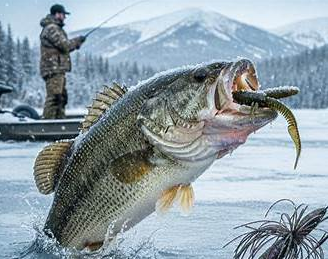
Even in winter, walleye will bite. If you’re ice fishing, tip‑ups baited with minnows or vertical jigging spoons and jigs through holes near structure in 15–30 feet can put fish on the ice.
5. Common Mistakes and Advanced Tips
Focusing Too Much on One Depth
Walleye can suspend anywhere from just off bottom up into mid‑depths. Don’t assume deeper is always better — if fish aren’t biting, try letting a jig suspend slightly above the bottom.
Ignoring Current and Contour
In rivers and flowing water, current seams and eddies hold walleye because bait collects there. In lakes, breaklines, weed edges, and drop‑offs do the same. Learn to read bottom contours with electronics or by feel and you’ll find fish quicker.
Being Too Fast
Fast retrieves are fun, but walleye often prefer a deliberate presentation. Let your jig fall, pause it near cover, and rip it off the bottom a couple times — that subtle “down then up” often triggers bites.
Not Switching Presentations
If you’ve been jigging for 20 minutes with no action, don’t be afraid to switch to a slip bobber, a crankbait, or a different color. Walleye can be picky — adjusting your approach frequently usually leads to bites.
FAQ — Walleye Fishing Techniques
1. What are the best walleye fishing techniques for beginners?
Try a simple jig‑and‑minnow or a slip‑sinker rig with live bait; these cover a lot of water and produce consistent bites.
2. What bait catches the most walleye?
Minnows, leeches, and nightcrawlers are top live baits, while jigs and small crankbaits do well for artificial lure anglers.
3. When is the best time of day to catch walleye?
Low light periods — early morning, dusk, and night — are classic walleye bite times.
4. Do I need a boat to catch walleye?
No — you can catch walleye from shore if you find points, drop‑offs, or deep channels near access points. But a boat helps cover more water.
5. How do seasonal changes affect walleye fishing?
Walleye move shallow in spring and fall and deeper in summer and winter. Adjust your techniques and depths accordingly to stay on the bite.