Fall Bass Fishing Mastery – Feeding Frenzy to Winter Prep
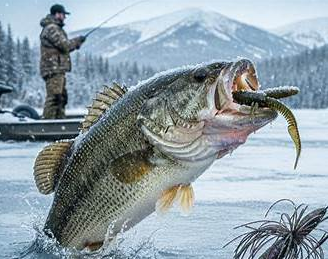
When autumn rolls in and the air gets crisp, bass fishing enters one of the most exciting seasons of the year. There’s a reason fall is on every bass angler’s favorite list — as water temperatures begin to cool, bass shift into a feeding frenzy mode, chasing baitfish and fattening up for the winter ahead. If you learn to read the water, follow the bait, and match your tactics to seasonal patterns, fall can be the most rewarding time to fish all year.
The Fall Feeding Frenzy — Why Bass Bite Harder
Come late September and into October, the behavior of bass changes dramatically. Water temperatures start sliding down from summer highs — often into the comfortable **50s and 60s°F range — and the bass begin eating like crazy to build energy reserves before winter.
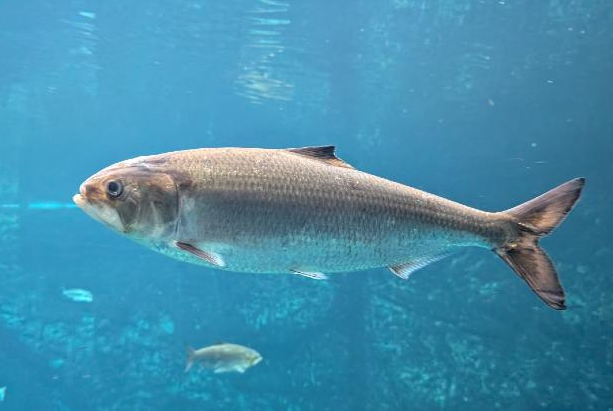
A big part of this blitz is baitfish movement. Schools of shad, minnows, and other forage fish start pushing into shallower coves, creek channels, and flats as water cools. Where the bait goes, bass almost always follow — and they stay on high alert, feeding throughout the day rather than just at dawn and dusk.
This is the time when you’ll hear the whomp! of a bass crushing a crankbait across a flat or see shad diving at the surface with bass charging underneath ’em. It’s chaotic, thrilling, and when you get it right — incredibly productive.
Where Fall Bass Hang Out
Finding bass in the fall isn’t random — they tend to stack up in certain high‑percentage spots tied to baitfish behavior and water temperature changes.
Flats and Creek Channels
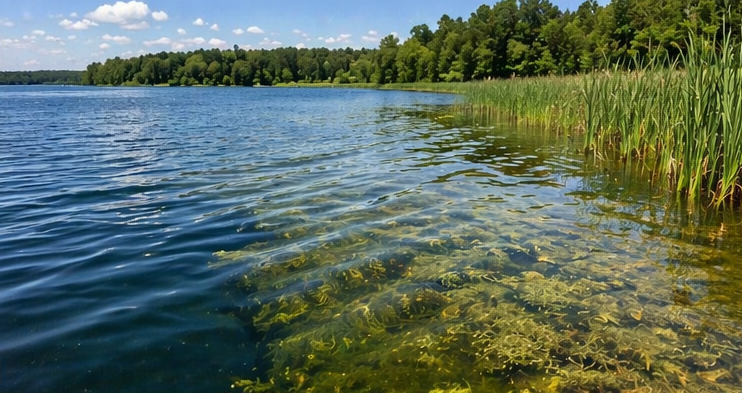
As baitfish drive into shallow flats and creek channels, bass follow like clockwork. These transition zones are excellent early fall areas because they give bass easy access to abundant food.
Points and Secondary Points
Points act like ambush highways. Bass use them to intercept bait moving between shallow flats and deeper water. Casting crankbaits or spinnerbaits along these edges often triggers aggressive strikes.
Drop‑offs, Ledges & Steep Structure
As fall progresses and water cools further, bass start moving into deeper structure — drop‑offs, rocky ledges, and deeper grass edges. These are places where baitfish cluster and bass can conserve energy while ambushing meals.
Windy Banks & Riprap
Wind can be your friend. Wind‑blown banks push baitfish into shorelines and shallow cover, forcing bass into concentrated feeding areas. That makes these banks excellent fall spots on breezy days.
Fall Lure Choices & How to Fish Them
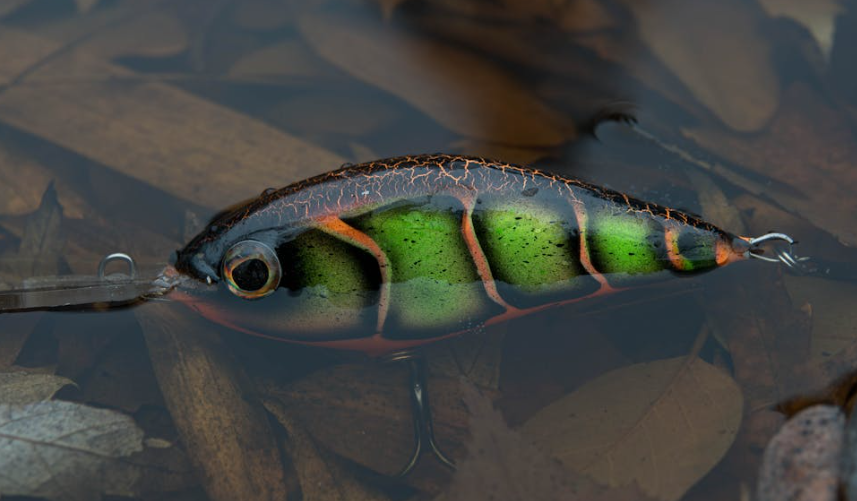
Matching your lure selections to the forage bass are chasing — and the water conditions — makes all the difference in the fall. Here are reliable options and how to work them:
Crankbaits
Both squarebill and lipless crankbaits are excellent for covering water and mimicking baitfish like shad. Squarebills bounce off structure and trigger reaction bites, while lipless crankbaits work well over open flats and edges.
Swimbaits
Soft plastic or paddle‑tail swimbaits imitate natural baitfish perfectly — great for flats, channel swings, and points where bass are hunting bigger meals.
Spinnerbaits
Spinnerbaits are versatile and effective in fall, especially in variable conditions. Their flash mimics shad, and varying retrieve speeds can trigger strikes in different water temps.
Jerkbaits
Suspending jerkbaits excel when baitfish are active. Twitch–pause–twitch retrieves imitate injured prey, especially effective in cooler water when bass are selective.
Jigs
Football jigs or flipping jigs are deadly around structure, deeper cover, and rock piles — especially later in the season when bass start focusing on bottom‑dwelling prey like crawfish.
Topwater Lures
Don’t put your topwater away too soon — early morning and late evening in fall can still offer explosive surface action with buzzbaits, poppers, and walking baits.
Match the Hatch & Retrieval Tips
In fall, “matching the hatch” isn’t just buzzword jargon — it’s real fishing sense. Pay attention to the size and color of your local baitfish and match your lures accordingly. Silver, chrome, and shad‑patterned lures often outperform outlandish colors this time of year.
As the season progresses and water temps drop:
- Early fall: Bass are more active and will chase faster baits. Mix in quick retrieves.
- Mid‑to‑late fall: Slow your retrieve — bass become more selective and deliberate. A slow, steady retrieve with pauses often triggers bites when cooler water reduces activity.
Casting angles matter too — retrieve parallel to drop‑offs, along points, and through transition zones where bass like to ambush prey.
Gear & Tackle Tips That Help
Over the years I’ve learned a handful of gear tweaks that make fall fishing smoother:
- Multiple rods: Rig one for fast action (crankbait or spinnerbait) and another for slow finesse (jig or swimbait).
- Line selection: Medium fluorocarbon (8–12 lb) works well for finesse, while heavier fluorocarbon or braid helps with big structure and jigs.
- Electronics: A fish finder or sonar helps locate bait balls — where you find them, bass usually aren’t far behind.
Fall weather swings wildly — so adaptability is your friend. One day bass might be roaming shallow flats; the next they’re tucked deep off ledges. Reading the conditions and switching baits accordingly is half the fun.
A Personal Fall Fishing Story
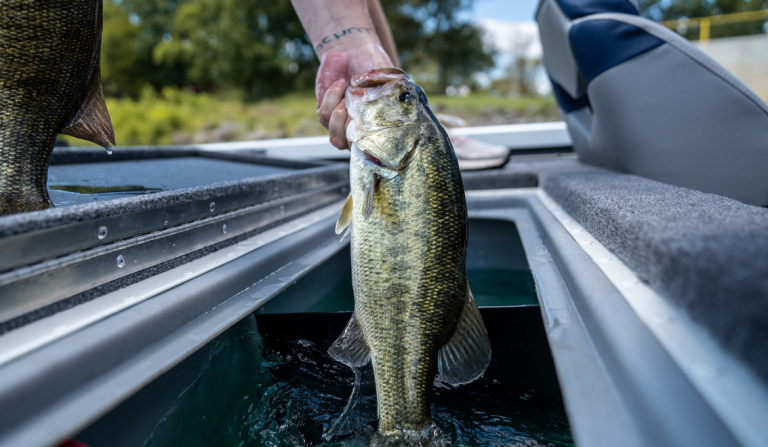
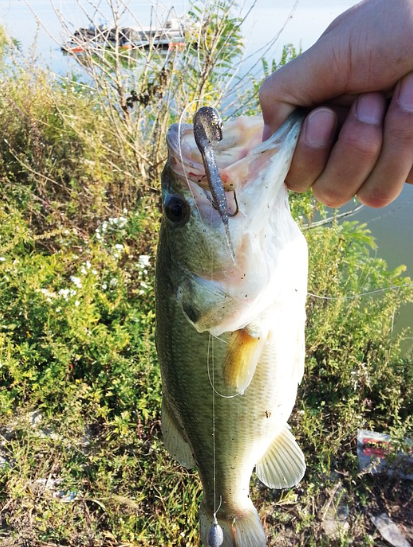
I’ll never forget one October morning on a Midwest reservoir. The sun hadn’t even crested the trees when I slipped into a shallow cove. It wasn’t long before I saw baitfish bouncing at the surface — a sure sign bass were nearby. I threw a squarebill crankbait, and boom! — first cast, first fish. Not a monster, but a perfect fall bass, aggressive and ready.
Thirty minutes later, the schools had shifted toward a long point. I grabbed a swimbait and worked it slowly along the edge. On the third pass, something zeroed in and slammed it — the kind of hit that makes you grin wide. Cannot beat fall like that, when every cast feels full of promise. (Inspired by typical fall patterns)
Fall in Plain English – Key Takeaways
- Bass feed aggressively in fall as they chase baitfish to build up for winter.
- Follow baitfish to find bass — they almost always go where the food is.
- Target flats, points, creek mouths, drop‑offs, and wind‑blown banks — all are prime spots.
- Match your bait to the hatch and adjust retrieve speed as water cools.
- A mix of crankbaits, swimbaits, spinnerbaits, jerkbaits, and topwater lures covers most fall scenarios.
Fall bass fishing can be brilliant — a season where strategy meets excitement, and where every day on the water tells a new story. Tight lines and cool water, friend!