Crappie Fishing Techniques: How to Catch Crappie Successfully
Crappie fishing has a special place in my heart. There’s nothing quite like seeing that bobber twitch on a warm spring afternoon or finding a school of slab crappie suspended off a brush pile in the fall. Over years of chasing crappie on ponds, lakes, and rivers across the U.S., I’ve learned that this fish is both subtle and irresistible — and that the right approach can turn an okay day on the water into a day you remember forever.
Today I want to share crappie fishing techniques that really work, practical gear choices, seasonal strategies, and common mistakes I’ve bumped into more times than I care to admit. Whether you’re a novice or just trying to catch more consistently, this guide will help you dial in your angling.
1. Behavior & Environment of Crappie
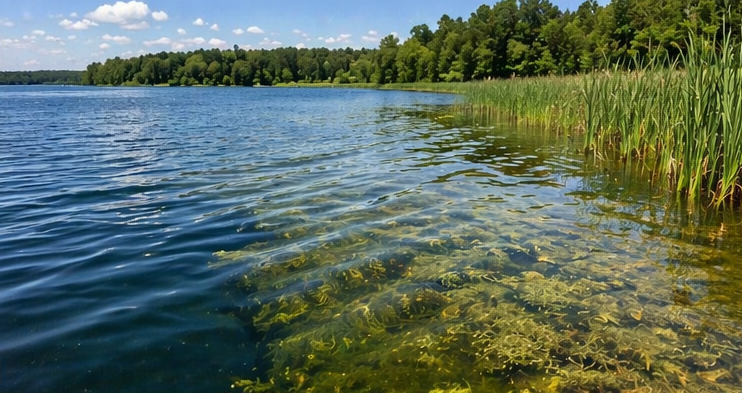
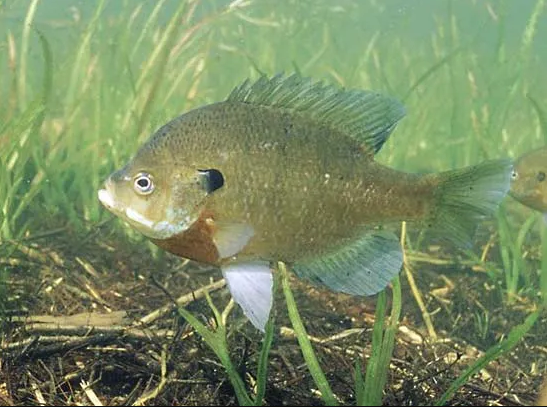
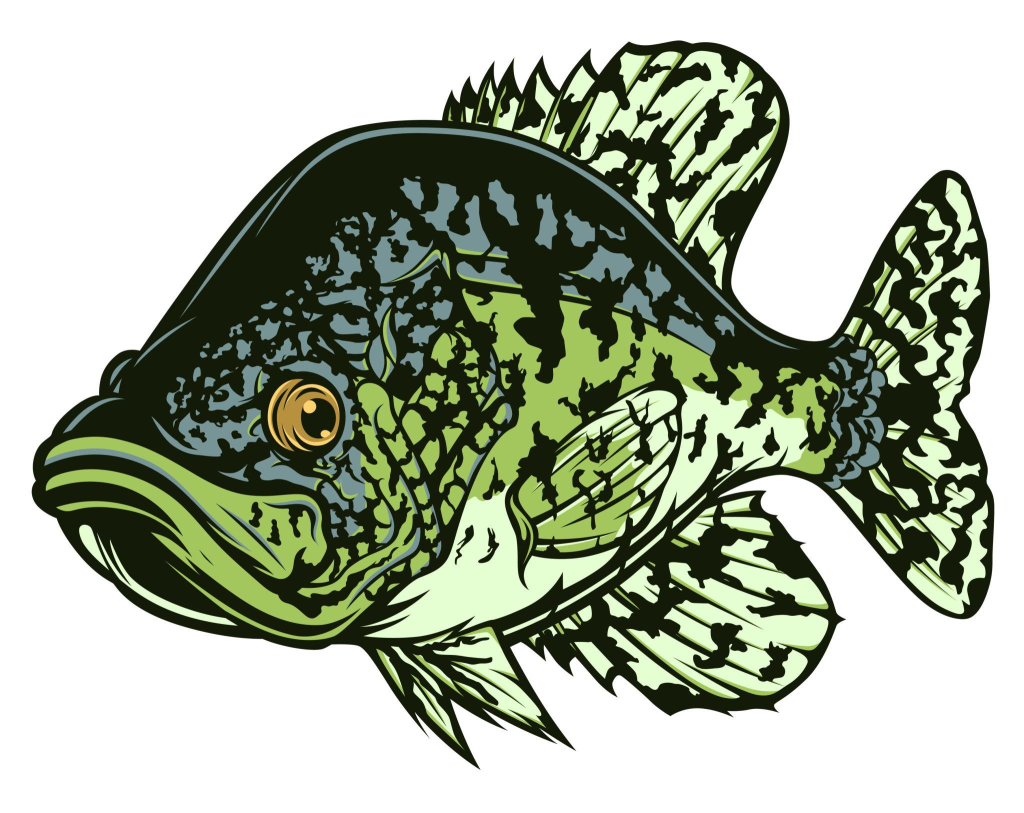
Crappie — both black and white — are schooling fish that love structure and cover. They are often found around brush piles, fallen trees, docks, submerged stumps, and weed edges. When you find one crappie, chances are you’ve found many more just under the surface or slightly deeper nearby. These fish aren’t deep tricksters hiding in the shadows — they’re opportunistic predators waiting for the right meal to drift by.
In spring, crappie move shallow as water warms, often in 3–8 feet of water near heavy cover like lily pads, cattails, or submerged vegetation. During warmer months, they spread out more and like deeper shade or drop‑offs, coming up to feed on schooling baitfish. In winter, they may suspend or move into deeper water and become more lethargic, which means slower presentations are often best.
Understanding this positional behavior is key to figuring out how to catch crappie and where to cast your line.
2. Best Crappie Fishing Techniques
Crappie are adaptable, and successful anglers use several reliable techniques depending on the situation and season. Here are the most productive methods I use:
Bobber and Minnow (Float Fishing)
One of the easiest and most effective ways to catch crappie is with a simple float rig — a small bobber suspended above a live minnow. The action is subtle, and watching that bobber dip is one of the purest joys of panfishing.
Pitch your bait near brush piles, docks, or weed edges and let it sit, adjusting depth until you’re right in the fish zone.
Jigging
If I had to pick one technique that works almost year‑round, it’s jigging. Light jigs — especially in the 1/32 to 1/16 ounce range — are classics for a reason. Crappie often key in on tiny movements, and a gentle jig that flutters, darts, or pulses near cover can trigger bites when nothing else will.
Jigging can be done vertically from a boat over deeper brush piles, or cast and slowly worked near shallow cover early in the season.
Casting
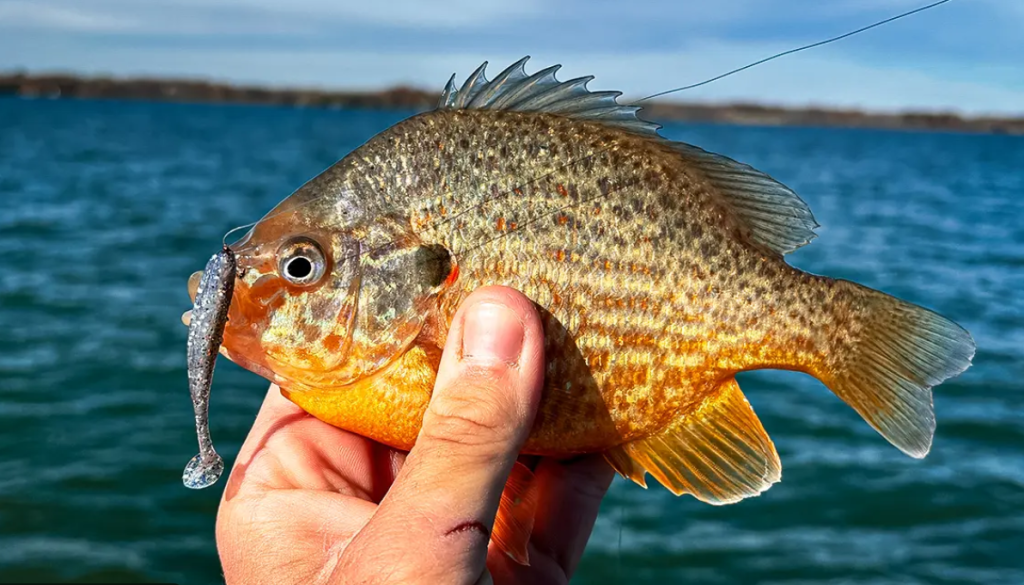
When crappie are more spread out, especially in spring or fall, casting small jigs, tubes, or soft plastics along shoreline structure can be deadly productive. A slow retrieve with occasional little twitches often brings fish up from the weeds or around brush edges.
Spider Rigging
This is a classic technique for those who like to target schools of crappie from a boat. Multiple rods are spaced out like spokes, each holding a line with bait at a different depth or location. When fish are spread out across a basin or deep flats, this approach lets you cover a wide area.
Trolling
For deeper open water or larger lakes where crappie roam, slow trolling with light jigs, small crankbaits, or minnows can be very effective — especially in summer when fish are chasing baitfish schools.
3. Recommended Gear, Lures & Bait Choices
If there’s a secret to consistent crappie fishing, it’s having the right gear and bait for the job.
Rods & Reels
Most top crappie anglers go ultralight: a 6’6″ to 7′ light or ultra‑light spinning rod paired with a small reel spooled with 4–6 lb test line gives you both delicacy and strength needed for tiny lures and subtle bites.
I often fish with tight line setups when jigging — it gives me direct feel for every movement down near the brush.
Bait Choices
Live minnows are a crappie favorite. Many anglers believe nothing beats the scent and movement of a lively minnow near structure. These can be fished under a bobber or with light jig heads.
Artificial bait options include:
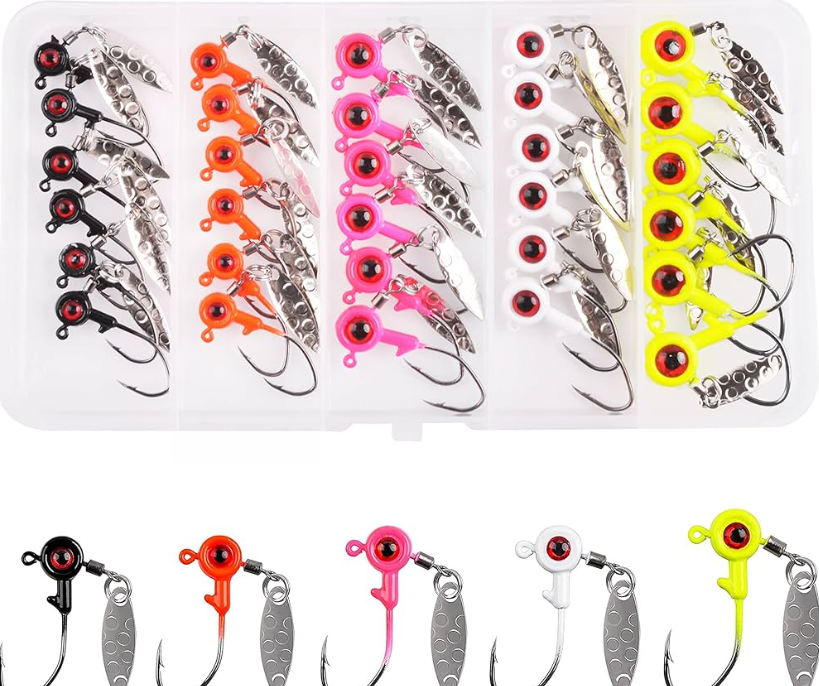
- Small jigs and marabou jigs — a go‑to choice year‑round.
- Soft plastics and tiny tubes — great for finesse presentations.
- Small crankbaits — ideal for trolling or working open water.
- Spinnerbaits and small spinners — useful when fish are active around brush.
Color matters some, but size and motion are often more critical. When in doubt, downsize until you find what the fish are willing to eat.
4. Seasonal Tips & Location Strategies
Crappie move through different patterns as the year unfolds — learning these seasonal shifts helps you catch more fish.
Spring
As water warms, crappie move into shallower bays and coves in search of warmer water and spawning zones. Shallow brush, pencil reeds, and creek inflows are fantastic places to start. I spend a lot of early season time casting small jigs into shallow cover and watching that bite light up when water temps nudge past the 60°F mark.
Small slip bobbers are huge this time of year — they let you adjust depth quickly and keep your bait right in the strike zone.
Summer
In summer, crappie often retreat from shallow heat into shaded deeper water or suspended schools. This is where vertical jigging shines. Drift or anchor over brush piles and let your jig fall straight down — sometimes letting it just sit without much movement draws the most bites.
Sunrise and dusk can also bring fish up into shallows, especially around lily pads or bumper weed edges.
Fall
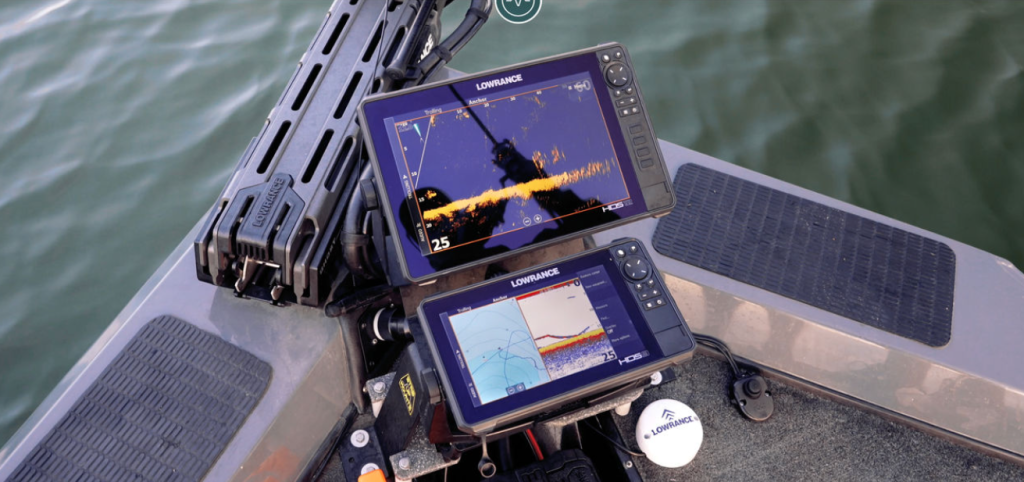
Fall is a personal favorite. Crappie school up tight as they feed heavily before winter. Use electronics or split shot to find those suspended fish and then let light jigs work slowly through the water column. Moving from school to school often produces more fish than staying in one spot too long.
Pay special attention to transition zones — shaded shallow edges leading into deeper water.
Winter
Winter fishing can be slower, but crappie are still catchable. Let your jig fall slowly and keep presentations simple. Slip bobbers set at consistent depth often outperform active retrieves when fish are sluggish in cold water.
A lot of days on the ice I’ll just hold a jig in front of a brush pile and watch that tiny movement do the work.
5. Common Mistakes & Advanced Tips
Even seasoned anglers can make the same mistakes on repeat — let’s address a few and how to fix them.
Over‑Presenting
Sometimes less is more. Crappie can be finicky, and aggressive hopping or fast retrieve can spook them. A slow let‑it-fall motion or tiny twitch often brings better results, especially in colder water.
Ignoring Structure
Crappie gravitate toward cover and structure — brush, docks, stumps, reefs, drop‑offs. Random open‑water casting rarely produces fish. Focus on areas where crappie should be feeding or sheltering.
Not Adjusting Depth
Crappie school up at different depths depending on season and water conditions. Use a slip float or let your lure fall slowly off the bottom until you find that sweet zone where they’re active.
Staying Still Too Long
Crappie can be nomadic, especially when chasing shad or moving between shade and deeper water. If you’re not getting bites, don’t be afraid to relocate and try a new piece of cover or depth.
Crappie Fishing FAQ
1. What are the best crappie fishing techniques for beginners?
Using a bobber with a live minnow or light jig is one of the easiest and most productive ways to catch crappie, especially around brush or docks.
2. How do I find crappie in a new lake?
Look for structure like brush, docks, weed edges, or creek channels where crappie can hide and feed. Many fish stack near depth transitions or shaded pockets.
3. What bait should I use for crappie?
Minnows are often the top choice, but small jigs and soft plastics are excellent when live bait isn’t available or practical.
4. Should I use light or heavy tackle for crappie?
Light tackle (light rods, small jigs, 4–6 lb line) lets you feel subtle bites and present small baits naturally, which is key for consistent success.
5. Does crappie fishing change with the seasons?
Absolutely. Crappie move shallow in spring, deeper in summer, school up in fall, and slow down in winter — adjusting location and presentation with the seasons makes a huge difference.