Wacky Rig Guide: How to Rig and Fish It for Bass
The Wacky Rig is one of the simplest yet most effective techniques in modern bass fishing. Many anglers rely on Wacky Rig bass fishing when fish become pressured, inactive, or difficult to catch. Despite its unusual appearance, this rig produces a unique action that triggers strikes from bass that ignore other lures.
In this guide, you’ll learn everything about the Wacky Rig, including how to rig Wacky Rig setups, the best bait for Wacky Rig, fishing techniques, and when this finesse presentation works best. We will also compare it with other bass fishing rigs so you can understand when to choose this technique.
The Wacky rig is just one of many techniques featured in our bass fishing setups guide for catching more bass in clear water.
What Is the Wacky Rig
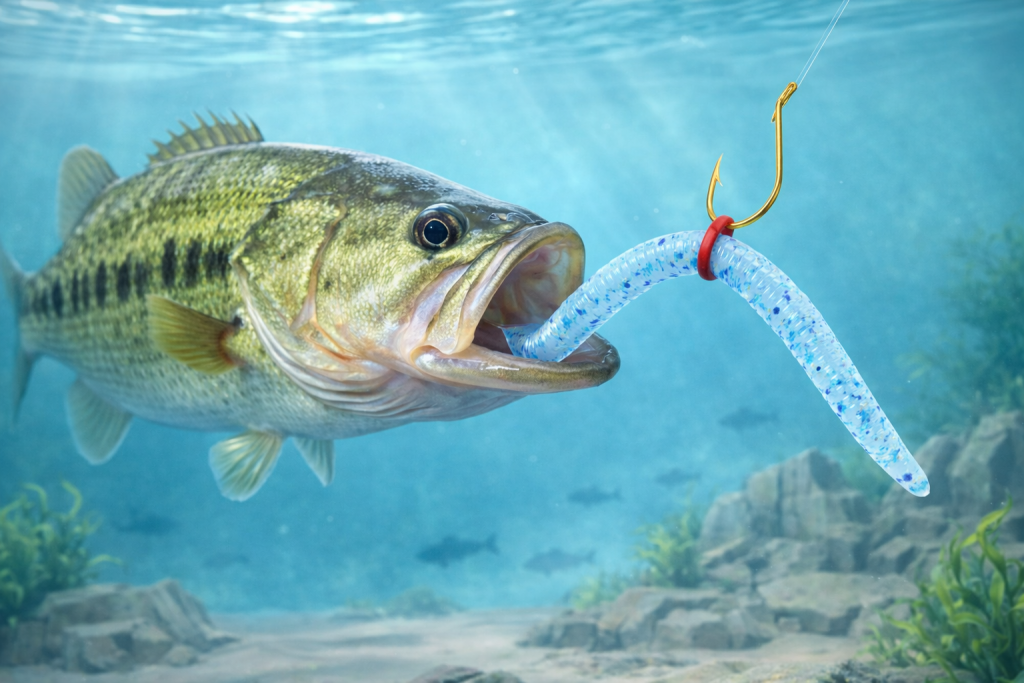
The Wacky Rig is a soft-plastic fishing setup where the hook is inserted through the middle of the bait rather than the head. This unusual rigging style allows both ends of the bait to move freely as it sinks through the water.
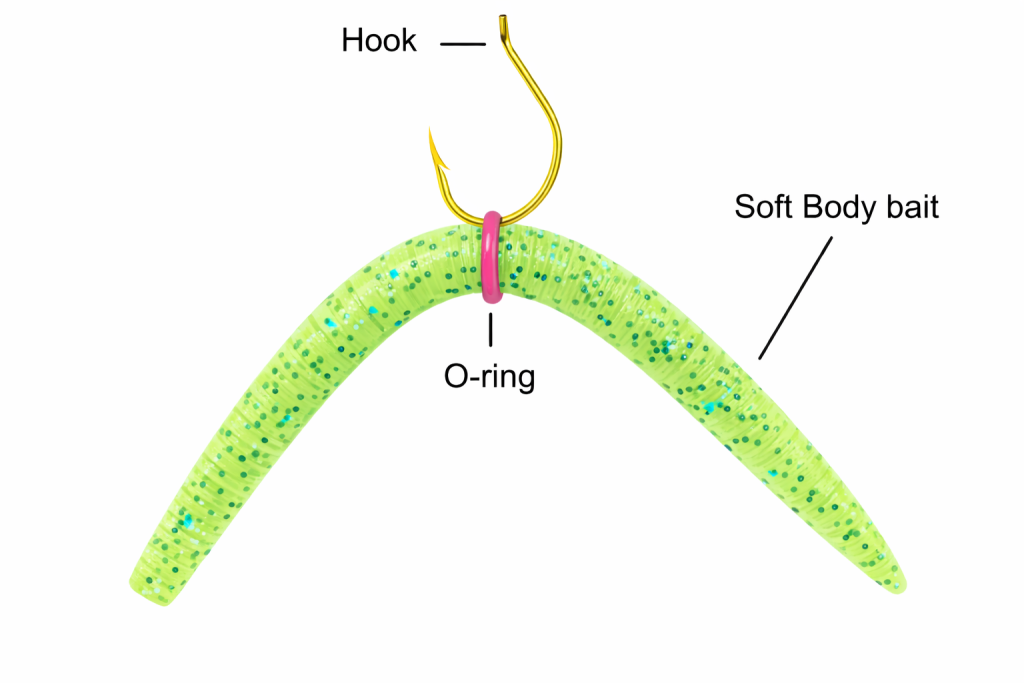
Typically, the rig consists of only a few components:
- Fishing line
- Small finesse hook
- Soft plastic worm or stick bait
When the bait falls through the water, each end of the worm flutters and wiggles, creating a natural action that attracts bass.
Most anglers use 4- to 6-inch stick worms for this technique, although other soft plastics can also work well.
Because of its simplicity and effectiveness, the Wacky Rig has become a staple technique for anglers targeting:
- Largemouth bass
- Smallmouth bass
- Spotted bass
The rig is especially popular in clear lakes and pressured fisheries where bass are cautious about biting aggressive lures.
Why the Wacky Rig Works for Bass Fishing
The success of the Wacky Rig bass fishing technique comes from its unique action and natural presentation.
Natural falling motion
When rigged wacky style, the bait sinks slowly and both ends move independently. This creates a subtle fluttering motion that resembles an injured worm or baitfish.
This slow fall is extremely appealing to bass.
Perfect finesse presentation
The Wacky Rig is considered a finesse fishing technique, meaning it works best when fish are inactive or pressured.
Many anglers use this rig when:
- Bass refuse faster moving lures
- Fish are suspended or shallow
- Water is very clear
Keeps the lure in the strike zone
The weightless design allows the bait to fall slowly through the water column. This keeps the lure in front of fish longer, increasing the chances of a strike.
Extremely versatile
Although it’s commonly used in shallow water, the Wacky Rig can also be fished:
- Around docks
- Along weed edges
- In open water
- Near rocks or structure
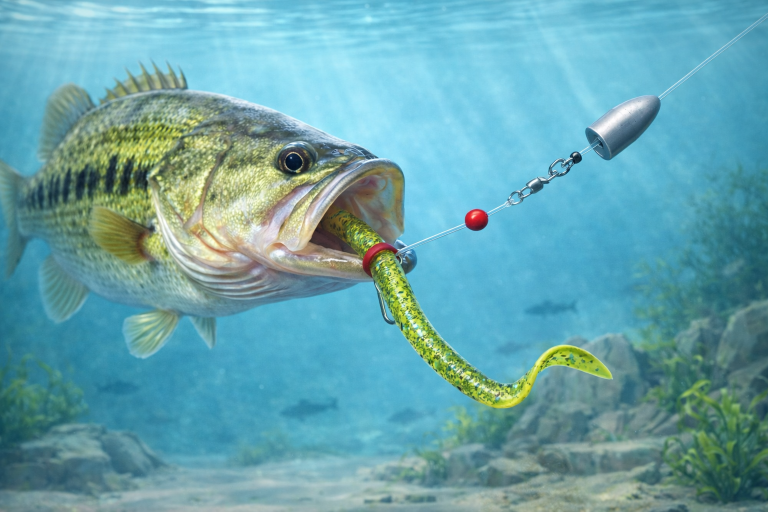
It can even be used in deeper water by adding a small weight.
How to Rig Wacky Rig (Step-by-Step)
Learning how to rig Wacky Rig is very simple, which is part of the reason it is so popular among beginners and experienced anglers alike.
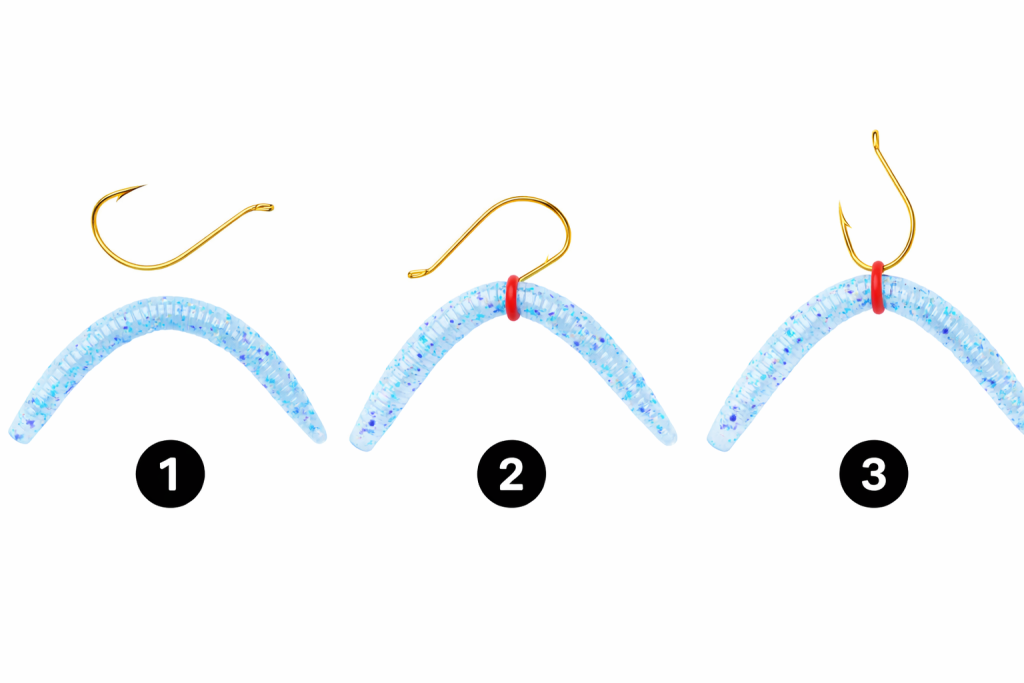
Step 1: Tie the hook
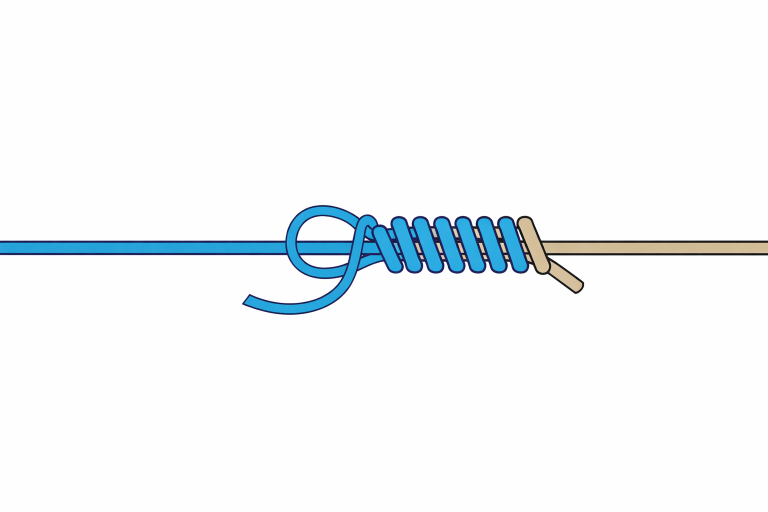
Tie a small finesse hook onto your fishing line using a strong knot such as a Palomar knot.
Hooks typically range from:
- Size 1
- Size 1/0
- Size 2/0
Step 2: Find the center of the worm
Locate the middle of the soft plastic worm.
Most stick baits have a thicker section near the center designed for wacky rigging.
Step 3: Insert the hook through the center
Push the hook point directly through the middle of the worm.
This allows both ends of the worm to move freely.
Step 4: Optional O-ring method
Many anglers slide an O-ring around the worm’s center and place the hook under the ring instead of piercing the bait.
This helps prevent the bait from tearing during fights with fish.
Step 5: Add weight if needed
Although many anglers fish the rig weightless, you can add:
- Nail weights
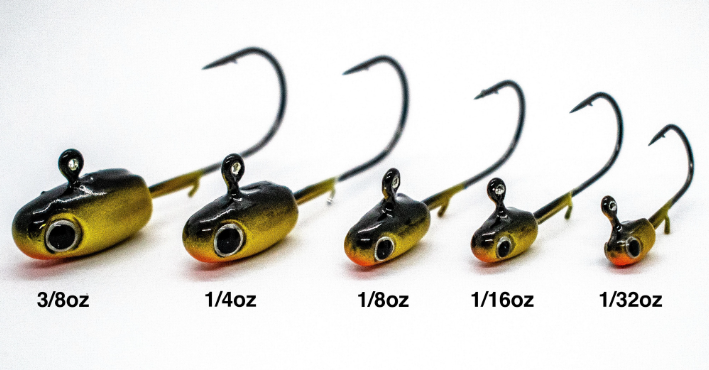
- Wacky jig heads
- Tungsten inserts
These allow the bait to reach deeper water.
Your Wacky Rig setup is now ready to fish.
Best Bait for Wacky Rig
Selecting the best bait for Wacky Rig can dramatically improve your results.
Here are the most popular options.
Stick worms
Stick worms are the most common bait for Wacky Rig fishing.
Popular sizes include:
- 4 inch finesse worms
- 5 inch stick worms
- 6 inch Senko-style baits
These baits create the classic fluttering action.
Straight tail worms
Straight worms produce subtle movement and are excellent for finesse fishing.
They work well in clear water.
Creature baits
Small creature baits can also be used for a more aggressive presentation.
Weighted worms
Some worms are designed with internal weights to increase casting distance and depth.
Fishing Techniques for Wacky Rig
Understanding how to fish the Wacky Rig bass fishing technique is essential for success.
Here are several proven techniques.
1. Let it fall naturally
The most important part of wacky rig fishing is the initial fall.
Cast the bait and allow it to sink on slack line.
Most strikes occur during this fall.
2. Light twitching
After the bait reaches the bottom, gently twitch the rod tip.
This causes the worm ends to wiggle again.
3. Lift and drop technique
Lift the rod slowly and let the bait fall again.
This creates repeated fluttering action.
4. Skip under cover
The Wacky Rig is excellent for skipping under:
- Boat docks
- Overhanging trees
- Bridges
Bass often hide in these shaded areas.
5. Dead sticking
Sometimes the best technique is doing almost nothing.
Let the bait sit on the bottom for several seconds.
This can trigger bites from inactive bass.
When to Use the Wacky Rig
The Wacky Rig bass fishing technique works best under certain conditions.
Clear water lakes
Because the bait looks natural, the Wacky Rig excels in clear water conditions.
Spawn and post-spawn periods
During spawning season, bass often guard nests and react aggressively to slow-moving baits.
The Wacky Rig is extremely effective during this time.
Pressured fishing areas
In heavily fished lakes, bass may ignore traditional lures.
The finesse presentation of the Wacky Rig can still produce bites.
Around docks and shallow cover
The rig works very well when fishing around:
- Boat docks
- Grass edges
- Shallow cover
Calm conditions
Because the bait sinks slowly, calm water conditions allow the lure to move naturally.
Wacky Rig vs Other Bass Fishing Rigs
Different bass fishing rigs create different lure presentations.
Here is a comparison between the Wacky Rig and other common bass fishing rigs.
| Rig | Best Use | Key Characteristics | When to Use |
|---|---|---|---|
| Wacky Rig | Finesse fishing | Hook through middle of worm creates fluttering action | Clear water and pressured bass |
| Texas Rig | Heavy cover | Weedless design with bullet weight | Grass, wood, and thick vegetation |
| Carolina Rig | Covering large areas | Weight separated from bait with leader | Offshore structure and deep water |
| Drop Shot Rig | Suspended presentation | Hook above weight keeps bait off bottom | Deep water or inactive fish |
| Ned Rig | Ultra finesse | Small jig head with small bait | Cold water and slow bites |
Each rig serves a specific purpose, but the Wacky Rig stands out for its natural action and ability to catch finicky bass.
Final Thoughts
The Wacky Rig is one of the most productive finesse techniques in bass fishing. Its simplicity, natural action, and versatility make it a favorite among anglers of all skill levels.
To summarize:
- The Wacky Rig setup is extremely simple.
- It produces a slow fluttering action that bass love.
- It works best in clear water and pressured fishing conditions.
- It is effective around docks, grass edges, and shallow cover.
For many anglers, the Wacky Rig becomes a confidence bait—a technique they turn to whenever bass refuse other lures.
Once you master how to rig Wacky Rig setups and apply the right fishing techniques, you’ll have a powerful tool for catching bass in almost any fishing situation.