Lure Fishing Explained for Beginners & Enthusiasts
Lure fishing is one of the most dynamic and effective methods in modern angling. Unlike traditional bait fishing that relies on live bait like worms or minnows, lure fishing uses artificial lures designed to imitate prey and provoke fish into striking.
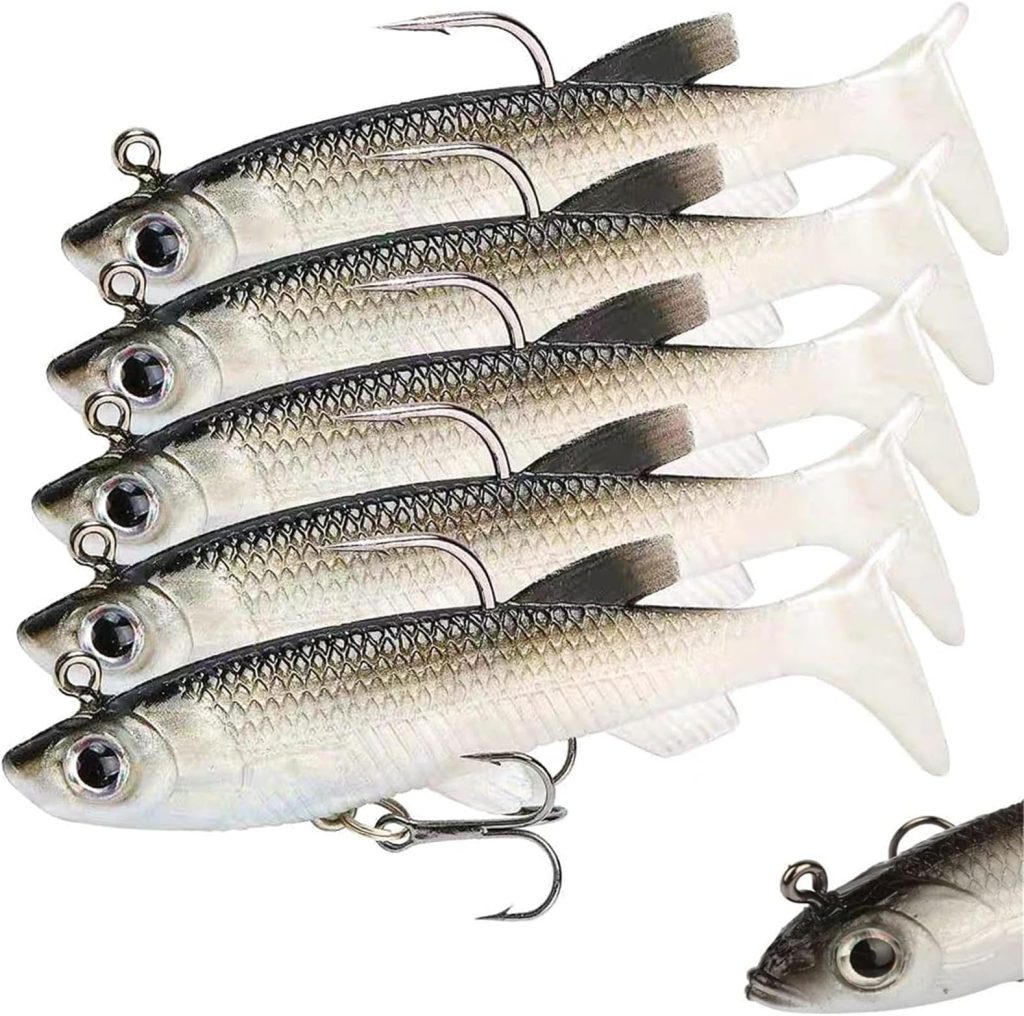
Artificial fishing lures are usually made from plastics, metals, rubber, or wood and are shaped to resemble baitfish, insects, or other prey species. They aren’t edible, but they attract fish through movement, reflection, vibration, and realistic appearance.
What is a Lure?
In fishing terminology, a fishing lure is a device used to attract predatory fish by simulating prey. Its effectiveness depends on how it looks and moves in the water — the more it mimics natural food, the more likely it is to entice a strike.
Lures typically have:
- A hook or multiple hooks
- A design that produces motion, flash, or vibration
- Colors and shapes modeled after live prey
- Sometimes added sound or rattles to increase attraction
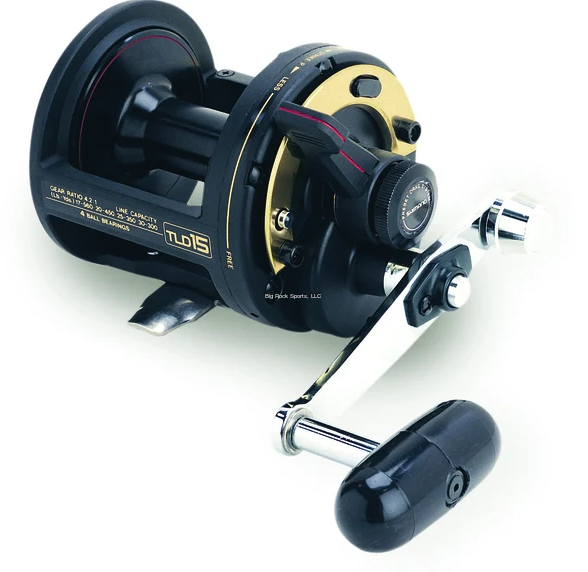
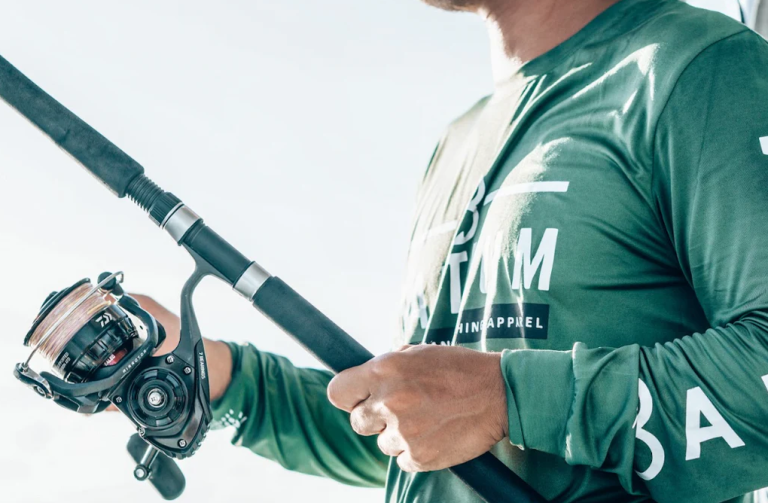
They are usually cast and retrieved using a rod and reel, but can also be trolled behind a boat to cover more water.
Why Use Lures Instead of Live Bait?
Artificial lures have several notable advantages over traditional natural bait:
They are reusable and long‑lasting, saving money over time.
They allow anglers to cover more water and target specific species based on lure design.
They are cleaner and easier to transport than live bait.
They rely on fish’s sight and reaction instincts, often provoking aggressive strikes.
However, lures require more technique — casting, retrieving, and sometimes trailing behind a moving boat — making lure angling a proactive style compared to passive waiting with live bait.
Types of Fishing Lures Explained
There are countless lure styles, each designed for specific fish species, water depths, and conditions. Here’s a breakdown of the main categories every lure angler should know:
1. Hard Baits
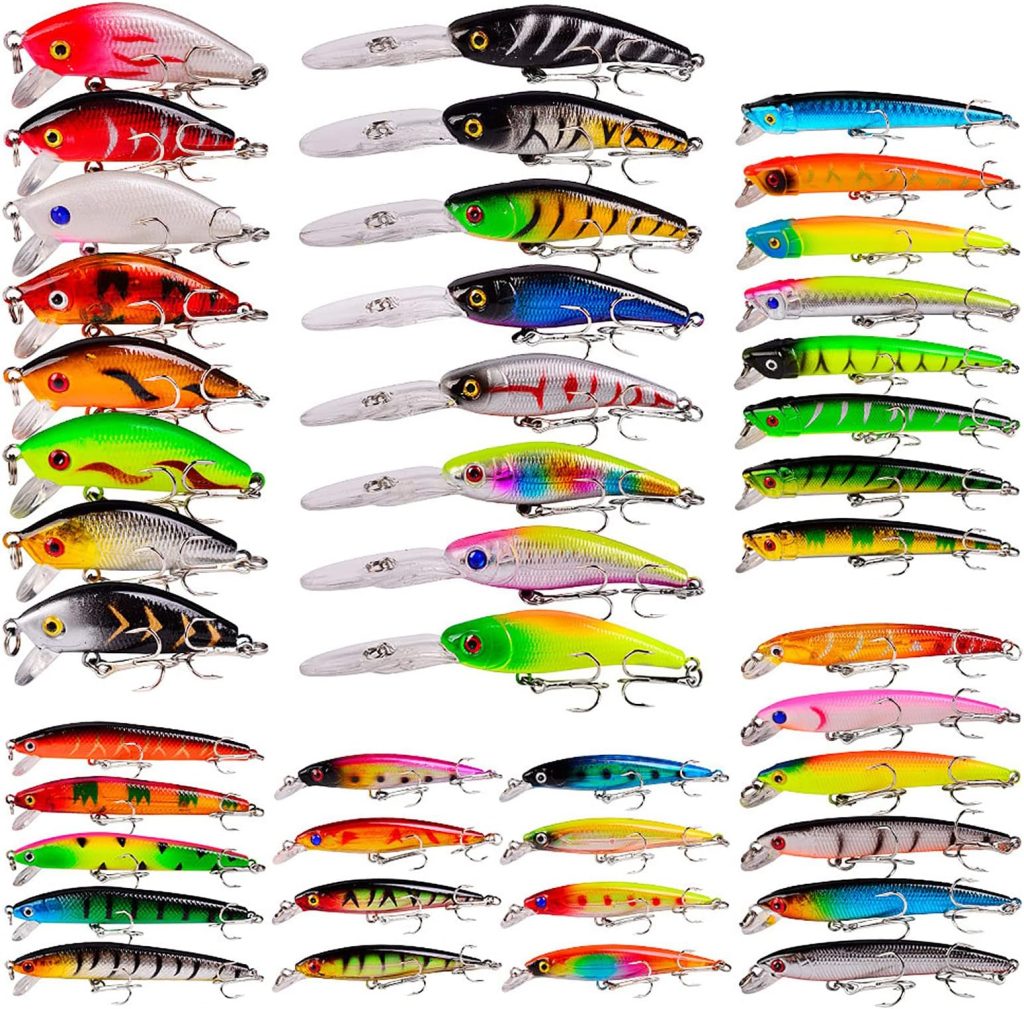
These are solid lures usually made of plastic or wood. They include crankbaits, jerkbaits, topwater plugs, and lipless baits. Their purpose is to mimic baitfish movement and sound.
- Crankbaits: Great for covering water quickly and the most versatile lure category.
- Topwater plugs: Ideal for surface action — surface strikes can be explosive.
- Lipless baits: Fast retrieval options that create vibration in the water.
2. Soft Plastic Lures
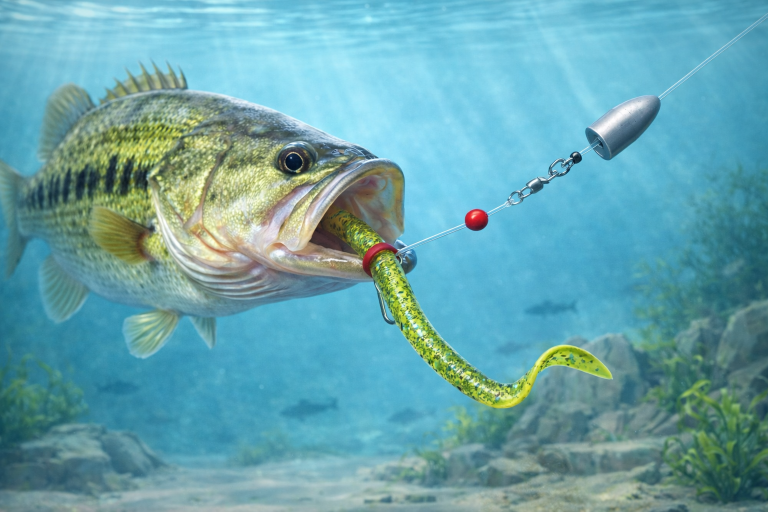
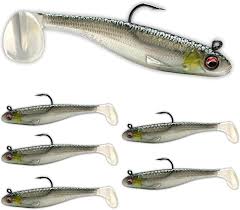
Soft lures like worms, grubs, and swimbaits are flexible and lifelike in movement. They excel at imitating insects, worms, or small fish and are among the most popular lure types used today.
Soft lures work well with various rigging methods and can be used at different depths.
3. Metal Lures (Spoons, Spinners)
Metal lures use light reflection and vibration to attract fish, especially in deeper or clearer water. The classic spoon has a wobbly, shiny motion that imitates a distressed baitfish.
Spinnerbaits and blade baits also create flashes and movement that can trigger reaction strikes.
How to Choose the Right Lure
Choosing the best lure depends on several factors:
Target species: Match lure size and shape to the prey fish in your area.
Water conditions: In clear water, natural colors work best; in murky water, brighter or reflective colors help fish see the lure.
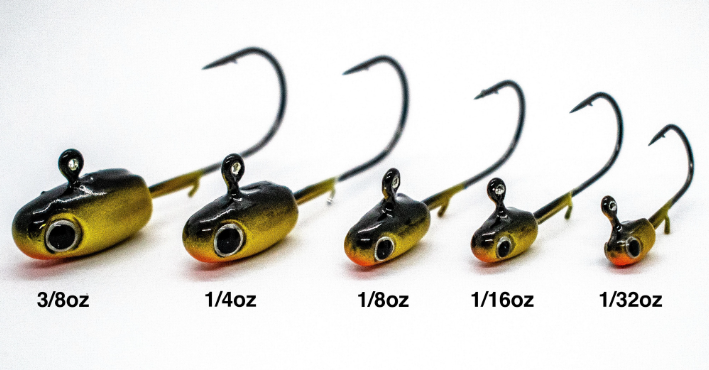
Weather and wind: In windy conditions or strong currents, heavier lures improve casting and keep lure action stable.
Final Tips for Lure Anglers
Always match your lure to the fish you’re targeting and the conditions you’re fishing in.
Carry a variety of sizes, shapes, and colors — professional anglers often bring multiple sets to adapt quickly.
Practice casting and retrieving techniques — lure fishing is interactive and skill‑based.
By understanding the diverse types of lures and how fish respond to them, you’ll dramatically improve your chances of landing more fish — whether you’re fishing freshwater lakes for bass or saltwater bays for predators.