Spinning Reel Guide: Setup, Techniques & Buying Tips
What Is a Spinning Reel
If you ask most anglers what reel they learned on, the answer is usually the same: a spinning reel. I’ve fished everything from small farm ponds to windy coastal flats, and a spinning setup is still one of the most reliable tools I carry.
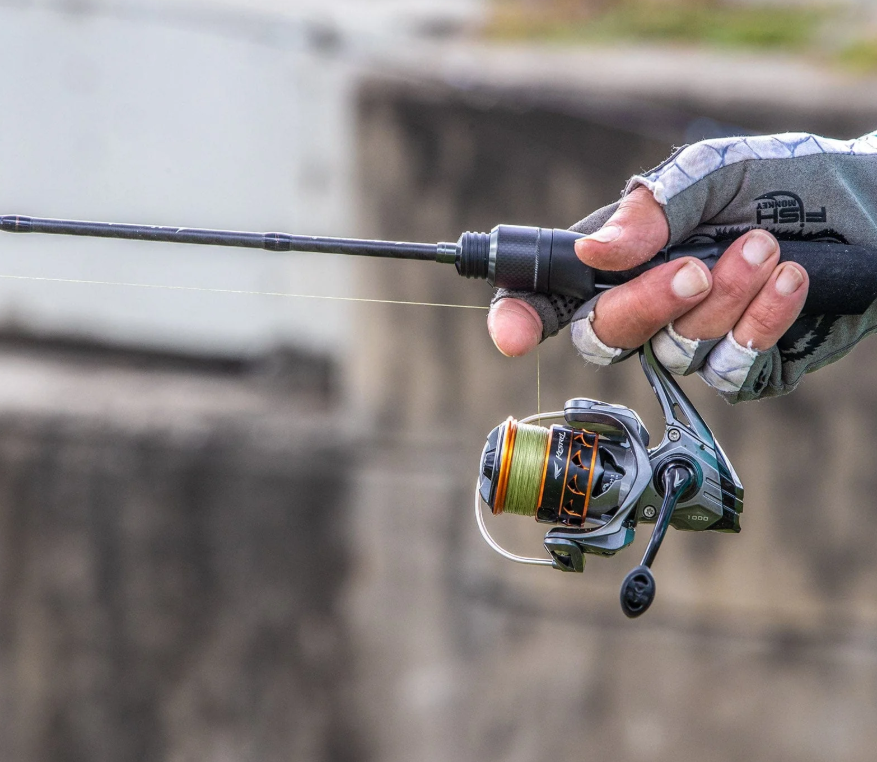
A spinning reel is an open-face fishing reel mounted underneath the rod. The spool faces forward and remains mostly fixed while the rotor spins around it to retrieve line. This design allows the line to leave the spool freely during casting, which is why spinning reels are excellent for lightweight lures and finesse fishing.
Because of their simplicity and versatility, spinning reels are widely recommended for beginners. They are easier to use than baitcasting reels and generally produce fewer tangles or “backlash” issues.
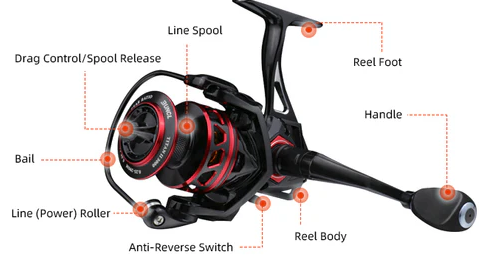
Typical parts of a spinning reel include:
- Spool (holds the fishing line)
- Bail arm (controls line release)
- Rotor (wraps line back onto the spool)
- Drag system (controls tension during a fight)
- Handle and gear system
Understanding these parts makes it easier to use the reel effectively.
How a Spinning Reel Works
To really appreciate a spinning reel, you need to understand the three key systems behind it: spool mechanism, drag system, and line release.
Spool Mechanism
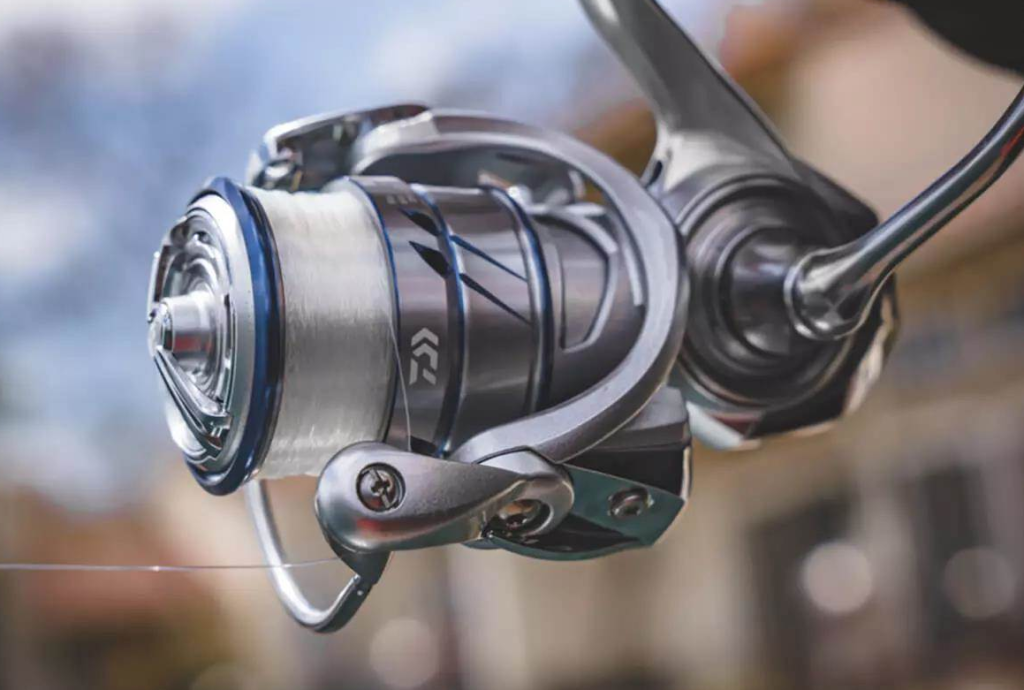
The spool holds the fishing line and plays a major role in casting distance and smoothness. During a cast, the bail is opened and the line leaves the front edge of the spool in loops. During retrieval, the rotor spins around the spool and winds the line back evenly.
Because the spool doesn’t rotate during casting, spinning reels handle lightweight lures extremely well.
Drag System
The drag system applies friction to the spool to control how easily the line is pulled out by a fish. Drag is adjusted using a knob usually located on top of the spool.
If a fish pulls harder than the drag setting, the spool releases line instead of breaking it. Most experienced anglers recommend setting drag to about 20–30% of the line’s rated strength.
This gives the fish room to run while protecting your gear.
Line Release and Bail System
The bail arm acts like a gate for your line. When flipped open, the line can flow freely off the spool during casting. When closed, the rotor guides the line smoothly back onto the spool during retrieval.
A smooth bail system is critical for long casts and preventing tangles.
Advantages of a Spinning Reel
After years of fishing different setups, there are several reasons spinning reels remain one of the most popular reel types.
Beginner-Friendly
Spinning reels are easy to learn and forgiving. Unlike baitcasters, they rarely create major tangles.
Great for Lightweight Lures
Because the spool doesn’t spin during casting, spinning reels excel when throwing light tackle like jigs or soft plastics.
Versatile Fishing Tool
They work well for many techniques, from bass fishing to trout fishing and even inshore saltwater fishing.
Minimal Backlash
Backlash occurs when line overruns the spool during casting. Since spinning reels release line differently, they greatly reduce this problem.
Works with Many Line Types
Spinning reels perform well with:
- Monofilament
- Fluorocarbon
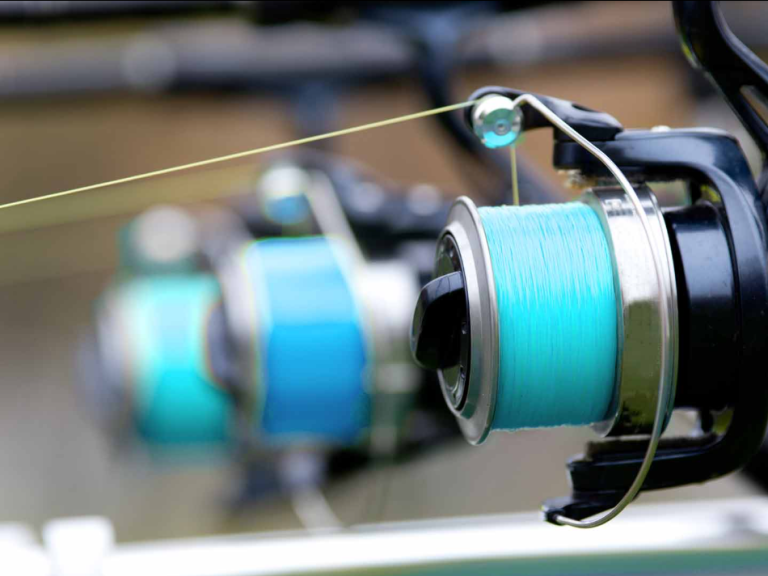
- Braided line
Disadvantages of a Spinning Reel
No reel is perfect, and spinning reels have a few drawbacks.
Less Casting Precision
Compared with baitcasting reels, spinning reels offer slightly less casting accuracy when targeting small areas.
Line Twist
Because the line leaves the spool in coils, spinning setups can develop line twist over time.
Limited Heavy-Tackle Power
Spinning reels aren’t the best choice for extremely heavy lures or big offshore fish.
Reduced Control in Heavy Cover
For techniques like flipping heavy vegetation, baitcasting reels often provide better control.
Best Fishing Techniques for a Spinning Reel
A spinning reel really shines in finesse fishing and light-tackle situations.
Casting
Casting lightweight lures such as small crankbaits or spoons is where spinning reels dominate.
Bass Fishing
Many bass anglers rely on spinning reels for finesse techniques like:
- Drop-shot rigs
- Ned rigs
- Finesse worms
Trout Fishing
When fishing rivers or streams, spinning reels allow precise casts with tiny lures and spinners.
Light Trolling
Spinning reels can also handle light trolling for trout or smaller saltwater species.
What Fish Can You Catch with a Spinning Reel
One reason spinning reels are so popular is their versatility.
Freshwater Species
Common freshwater targets include:
- Bass
- Trout
- Pike
- Walleye
- Panfish
Saltwater Species
Spinning reels are also widely used for:
- Redfish
- Snook
- Sea trout
- Flounder
- Mackerel
With the right size reel and line, a spinning setup can handle surprisingly large fish.
How to Choose the Right Spinning Reel
Choosing the right spinning reel depends on several factors.
Reel Size
Different reel sizes match different fish species.
| Reel Size | Typical Use |
|---|---|
| 1000–2500 | Trout, panfish |
| 3000–4000 | Bass, walleye |
| 5000+ | Larger saltwater fish |
Gear Ratio
The gear ratio shows how many times the spool rotates per turn of the handle. For example, a 6.3:1 ratio means the spool spins 6.3 times per handle turn.
Higher ratios retrieve line faster.
Drag Strength
Choose a reel with enough drag power for the fish you plan to catch.
Line Compatibility
Make sure the reel supports the line type you prefer:
- Monofilament (stretchy and forgiving)
- Fluorocarbon (low visibility)
- Braided line (strong and sensitive)
Spinning Reel vs Other Fishing Reels
Different reels are designed for different fishing styles.
| Reel Type | Skill Level | Best Use | Casting Distance | Control |
|---|---|---|---|---|
| Spinning Reel | Beginner | Light tackle | Good | Easy |
| Baitcasting Reel | Advanced | Heavy lures | Excellent | High |
| Spincast Reel | Beginner | Casual fishing | Moderate | Very Easy |
| Fly Reel | Intermediate | Fly fishing | Technique-based | Moderate |
Baitcasting reels often offer better control for heavier lures, while spinning reels are easier to use and better suited for light tackle fishing.
Common Mistakes When Using a Spinning Reel
Many anglers make the same mistakes when starting out.
Overfilling the Spool
Too much line causes wind knots and tangles.
Drag Set Too Tight
If the drag is too tight, a strong fish can snap your line.
Closing the Bail with the Handle
Manually closing the bail after casting helps reduce line twist.
Using the Wrong Line
Very stiff line can reduce casting performance.
Pro Tips from Experienced Anglers
Here are a few tips I’ve learned over the years.
Set Your Drag Correctly
Start with about one-third of your line’s strength.
Close the Bail Manually
This helps prevent line twist.
Use Braided Line for Sensitivity
Braided line improves bite detection, especially for bass fishing.
Maintain Your Reel
Clean and lubricate the reel regularly to extend its lifespan.
Final Thoughts
A spinning reel is one of the most versatile pieces of fishing gear an angler can own. It’s easy to use, adaptable to many fishing situations, and perfect for light-tackle techniques.
Whether you’re chasing trout in a mountain stream, bass in a lake, or redfish along the coast, a spinning reel offers the balance of simplicity and performance that keeps anglers coming back to it year after year.
If you’re just starting out—or even if you’ve been fishing for decades—it’s hard to go wrong with a solid spinning setup.
Frequently Asked Questions
Can spinning reels handle braided line
Yes, most modern spinning reels work very well with braided fishing line. Braid provides higher sensitivity and strength compared with monofilament. Many anglers prefer braid for techniques like finesse bass fishing or jigging because it allows them to detect subtle bites more easily. Just make sure the spool is braid-ready or use a mono backing to prevent slippage.
Why do spinning reels get line twist
Line twist usually occurs when line is retrieved while the bail is turning unevenly or when certain lures spin in the water. Overfilling the spool or using old line can also cause twisting problems. To reduce line twist, close the bail manually after casting and occasionally let the line unwind behind the boat while trolling.
Are spinning reels good for saltwater fishing
Yes, spinning reels are widely used in saltwater fishing. Inshore anglers often use them for species like redfish, snook, and sea trout. However, saltwater reels should have corrosion-resistant components and sealed drag systems. After each trip, rinse the reel with fresh water to prevent salt buildup.
Do spinning reels cast farther than baitcasters
It depends on the lure weight and the angler’s skill. Spinning reels typically cast lightweight lures farther because the line flows off the spool freely. Baitcasting reels often cast heavier lures farther and with greater accuracy. Many anglers carry both setups depending on the fishing conditions.
How long should a spinning reel last
A quality spinning reel can last many years with proper maintenance. Regular cleaning, lubrication, and correct storage will significantly extend the reel’s lifespan. Avoid submerging the reel in sand or saltwater, and loosen the drag when storing it for long periods.