Fishing Techniques: The Complete Guide for Freshwater Anglers
Spend enough mornings on a quiet lake or along a moving river, and you’ll realize something every experienced angler eventually learns: fishing isn’t just luck. It’s observation, patience, and understanding how fish behave.
Over the years I’ve watched countless anglers try every lure in their tackle box without success—while someone just a few meters away keeps landing fish. The difference usually isn’t the rod or the brand of lure. It’s the technique.
Freshwater fishing techniques are really about three things:
- understanding where fish live
- presenting bait in a natural way
- adapting to changing conditions
Once you start paying attention to those three things, everything begins to make sense.
Understanding Freshwater Fishing Techniques
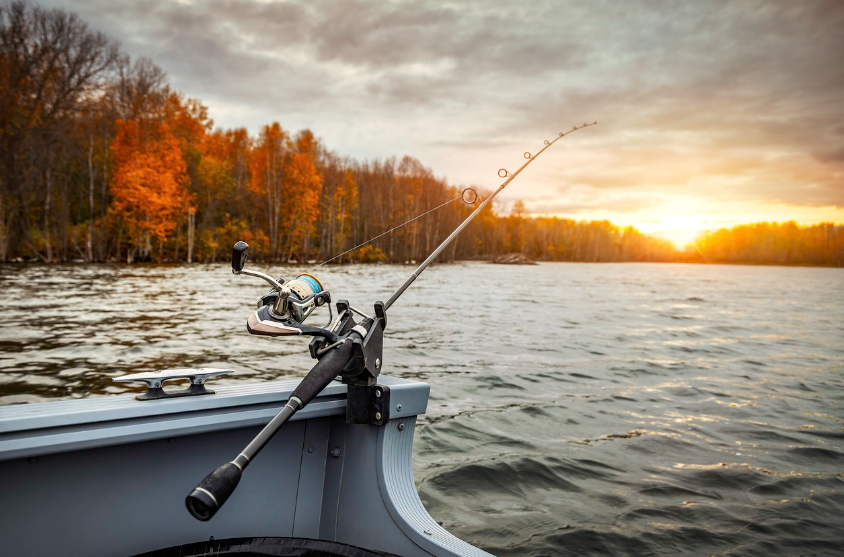
There are dozens of ways to fish, but most freshwater techniques fall into a few core categories.
Casting and Retrieving
Probably the most common approach.
You cast a lure, retrieve it back, and imitate the movement of prey fish.
Typical lures include:
- crankbaits
- spinnerbaits
- soft plastics
- swimbaits
This method works extremely well for predator fish like bass, pike, and walleye.
Jigging
Jigging is one of the most versatile techniques in freshwater fishing.
You move the lure vertically through the water with short lifts of the rod. The motion imitates an injured baitfish, which often triggers strikes from fish near the bottom.
It’s especially effective for:
- walleye
- crappie
- perch
- deep-water bass
Float / Bobber Fishing
Sometimes the simplest approach works best.
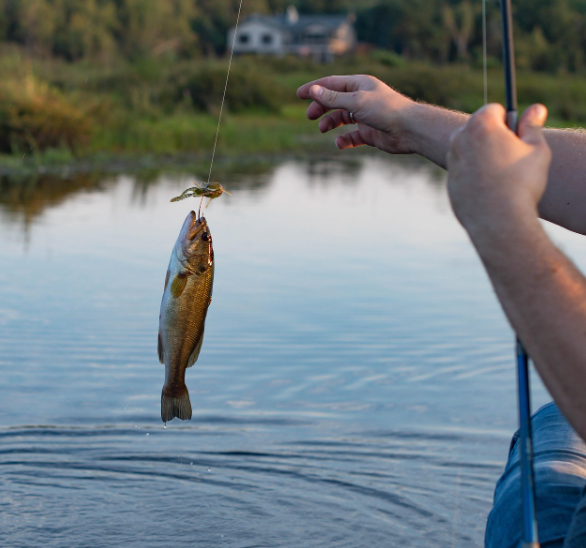
A float allows you to suspend bait at a specific depth and clearly see when fish bite.
This technique is perfect for:
- bluegill
- crappie
- perch
- small trout
It’s also one of the easiest methods for beginners.
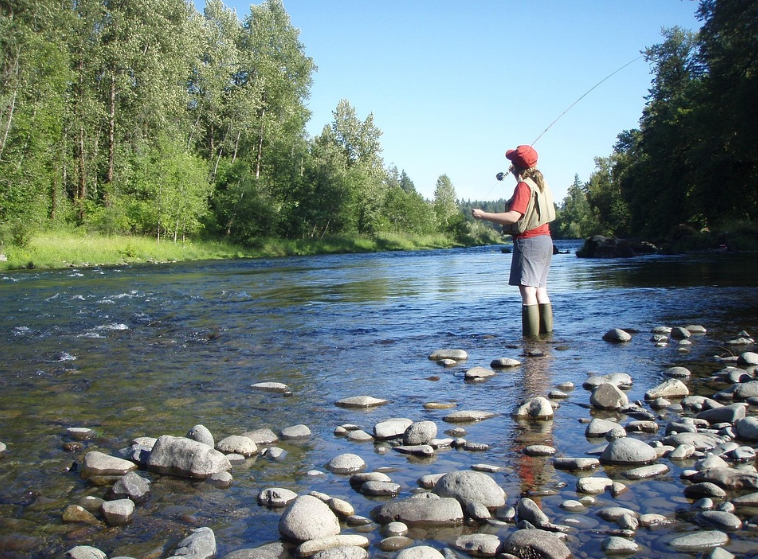
Fly Fishing
Fly fishing is a completely different style of fishing that uses artificial flies to imitate insects drifting in the water.
It’s most commonly associated with trout streams, but experienced anglers also use fly rods for bass, panfish, and even pike.
There’s nothing quite like watching a fish rise to a fly drifting naturally across the current.
Freshwater Fishing Techniques by Species
Different fish behave differently, which means techniques must adapt. Below are some of the most popular freshwater fish anglers target.
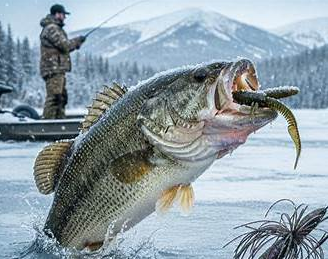
Bass Fishing Techniques
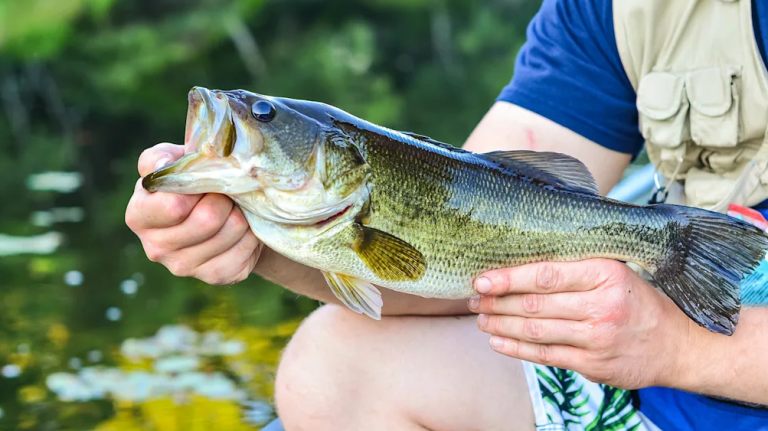
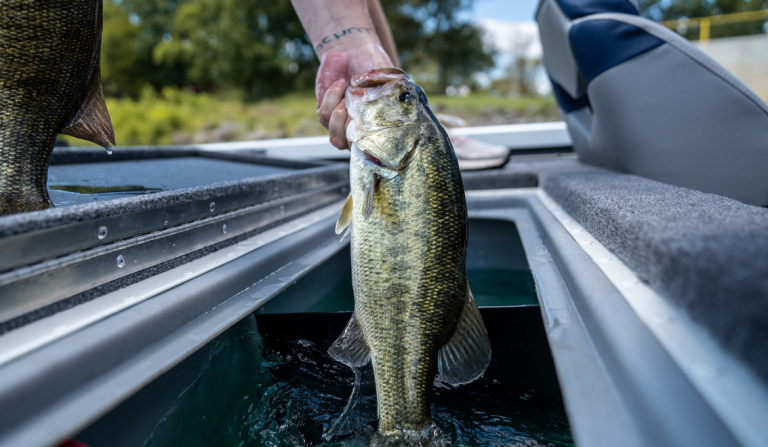
Bass are one of the most popular freshwater sport fish in the world.
Anglers typically catch them using:
- soft plastic worms
- spinnerbaits
- crankbaits
- topwater lures
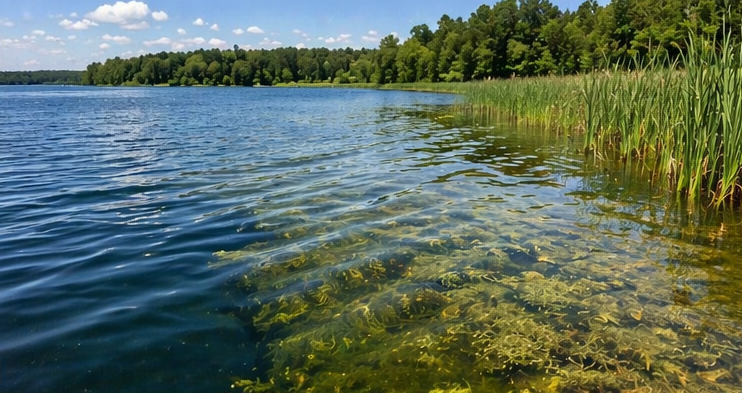
Bass often hold near structure like weed beds, docks, and rocks, waiting to ambush prey.
Crappie Fishing Techniques
Crappie are schooling fish that often gather around submerged brush and structures.
Popular techniques include:
- small jigs
- live minnows
- vertical jigging
Once you find a school, the action can be incredibly fast.
Pike Fishing Techniques
Northern pike are classic ambush predators.
They strike aggressively at large lures such as:
- spoons
- spinnerbaits
- swimbaits
- live bait fish
Weed beds and shallow vegetation are their favorite hunting grounds.
Pike Fishing Techniques
Walleye Fishing Techniques
Walleye are famous for their excellent eyesight and are often most active in low light.
Effective techniques include:
- jigging soft plastics
- trolling crankbaits
- live bait rigs
Large lakes and deep river channels are common habitats.
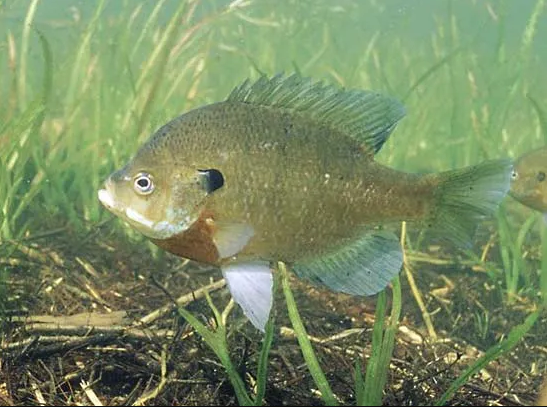
Bluegill Fishing Techniques
Bluegill are one of the easiest freshwater fish to catch and a favorite for beginners.
Simple methods work best:
- worms under a bobber
- small jigs
- tiny flies
Look for them around docks, weed beds, and shallow ponds.
Bluegill Fishing Techniques
Trout Fishing Techniques
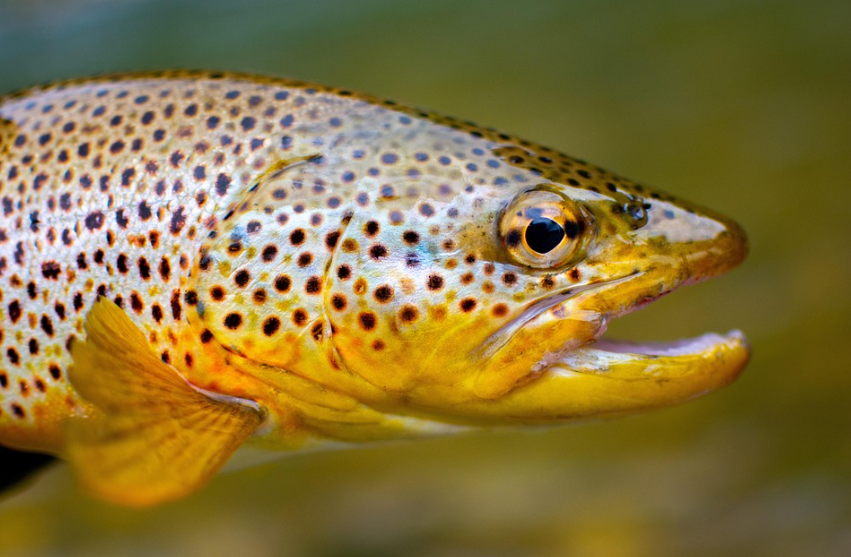
Trout prefer cold, oxygen-rich water such as mountain streams.
Popular methods include:
- fly fishing
- small spinners and spoons
- natural bait
Reading currents and presenting bait naturally are key skills for trout anglers.
Shad Fishing Techniques
Shad fishing is famous for seasonal river runs when fish migrate upstream to spawn.
Anglers typically use:
- small jigs
- shad darts
- flies
Casting across the current and letting the lure drift naturally works extremely well.
Shad Fishing Techniques
Catfish Fishing Techniques
Catfish are bottom-feeding fish that respond well to strong-scented bait.
Common techniques include:
- bottom rigs
- cut bait
- night fishing
Catfish are especially active during warmer months.
Perch Fishing Techniques
Perch are schooling fish found in lakes and slow rivers.
Small jigs and worms work extremely well, especially in colder water.
Perch fishing is also extremely popular in Europe.
Salmon Fishing Techniques
Although many salmon species migrate between ocean and rivers, anglers often target them in freshwater during spawning runs.
Techniques include:
- drift fishing
- trolling
- fly fishing
Salmon are famous for their strength and long runs once hooked.
Muskie Fishing Techniques
Muskellunge are often called “the fish of 10,000 casts.”
These large predators require patience and large lures such as:
- jerkbaits
- swimbaits
- bucktail spinners
Landing one is a memorable moment for any angler.
Universal Tips That Catch More Fish
After years of fishing different waters and species, a few patterns always stand out.
Fish Early and Late
Many freshwater fish feed most actively at dawn and dusk.
Follow the Food
Find baitfish, insects, or other food sources and you’ll usually find fish.
Slow Down
One of the most common mistakes anglers make is retrieving too quickly.
Often a slower presentation works better.
Focus on Structure
Fish rarely stay in open water.
Look for:
- rocks
- weed beds
- submerged logs
- drop-offs
- docks
Structure provides both food and protection.
Final Thoughts
Fishing techniques are tools, not rules.
Some days a simple worm and bobber works better than anything else. Other days fish want aggressive lures or delicate fly presentations.
The more techniques you learn, the easier it becomes to adapt.
And that’s really what fishing is about—learning the water, experimenting, and enjoying time outdoors.