Trout Fishing Techniques: How to Catch Trout Successfully
If you spend enough time around rivers and lakes chasing trout, you quickly learn one thing: trout fishing is as much about observation as it is about skill. Over the years, I’ve fished everything from tiny mountain streams to wide Western rivers and deep alpine lakes, and trout have taught me patience more than any other species.
They can be aggressive one moment and incredibly selective the next. One day they’ll smash a streamer like they’re starving, and the next they’ll ignore everything except a tiny insect drifting naturally with the current.
That’s what makes trout fishing so addictive.
In this guide, I’ll walk through some of the most effective Trout fishing techniques, gear choices, seasonal patterns, and lessons learned from years on the water. Whether you’re new to trout fishing or looking to sharpen your approach, these insights should help you catch more fish.
Understanding Trout Behavior & Habitat
Before talking about how to catch Trout, it’s important to understand how trout behave and where they live. Trout are cold-water fish, and they’re very sensitive to their environment. Water temperature, oxygen levels, current speed, and food sources all influence where trout position themselves.
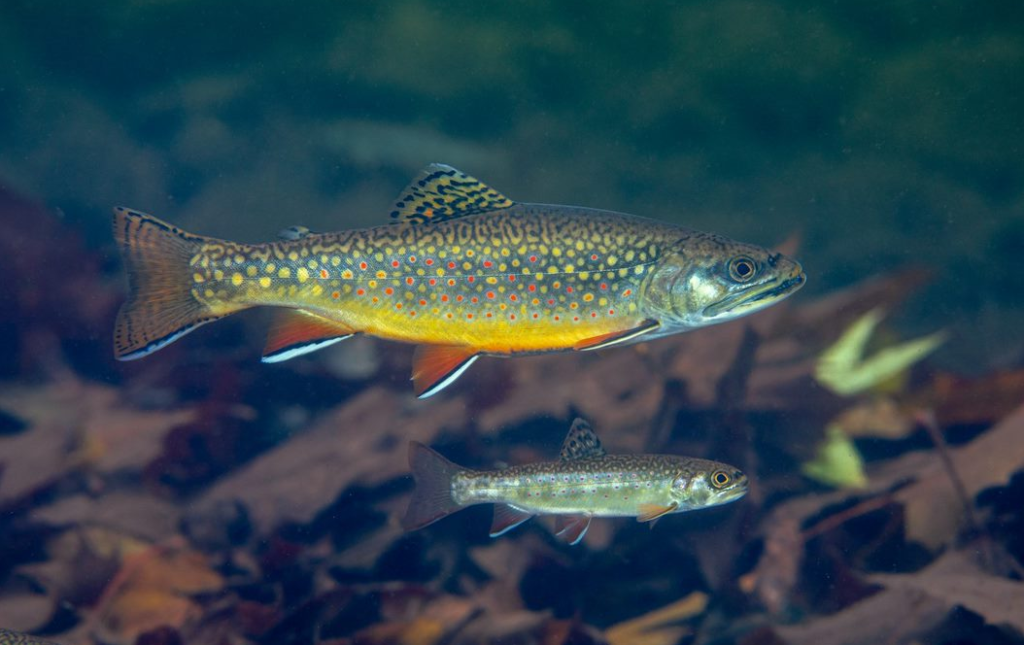
Most trout species—especially rainbow, brown, and brook trout—prefer cool, clean, oxygen-rich water. That’s why they’re commonly found in mountain streams, spring creeks, and cold lakes.
Where Trout Like to Hold
If you’re looking for trout, you should focus on areas that give them two things:
- Protection
- Access to food
Trout rarely sit in fast current unless they have to. Instead, they position themselves where current brings food directly to them.
Some classic trout holding spots include:
- Behind rocks or boulders
- At the edge of current seams
- Under overhanging banks
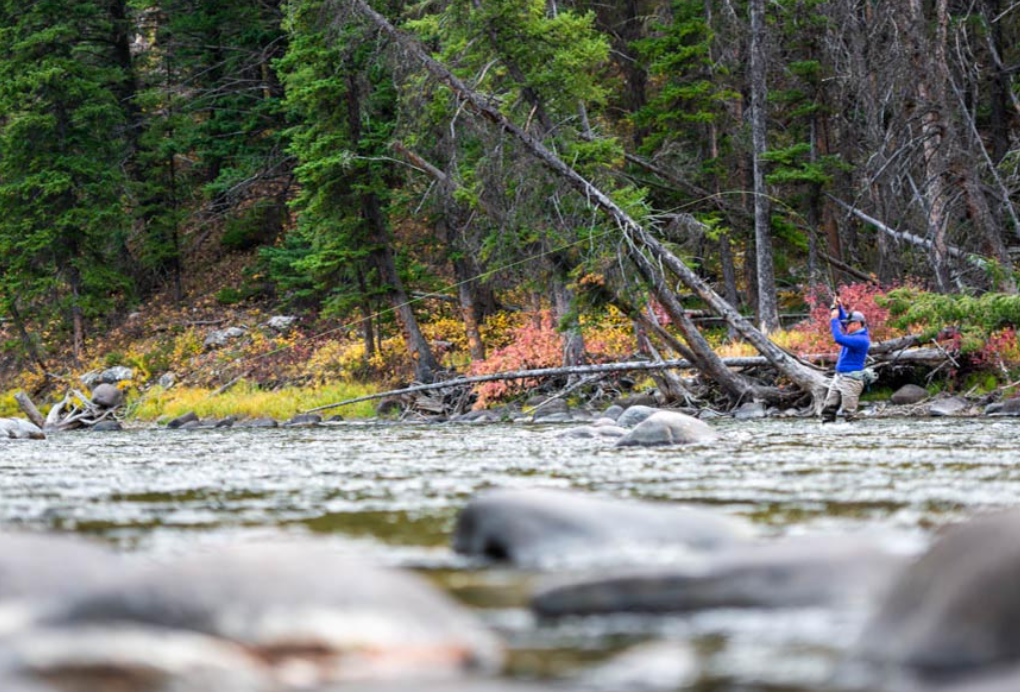
- Near fallen trees or submerged logs
- At the tail of pools
- Along drop-offs in lakes
When you start reading water this way, trout fishing becomes much easier. Instead of randomly casting, you’re presenting your lure or fly exactly where trout are waiting.
Best Trout Fishing Techniques
Over time, anglers develop favorite approaches, but several Trout fishing techniques consistently produce fish.
The key is adapting your presentation to what trout are feeding on.
Fly Fishing
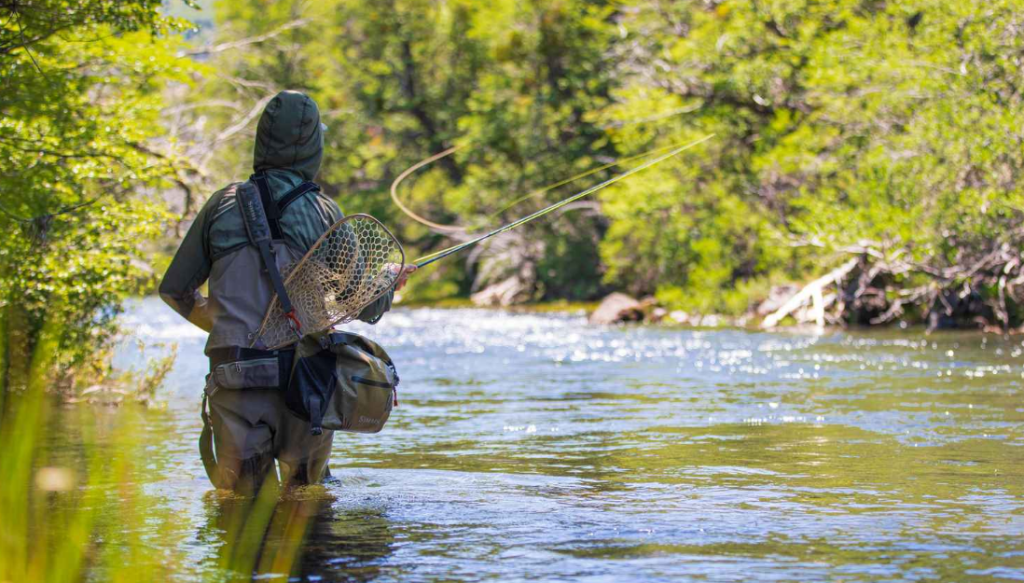
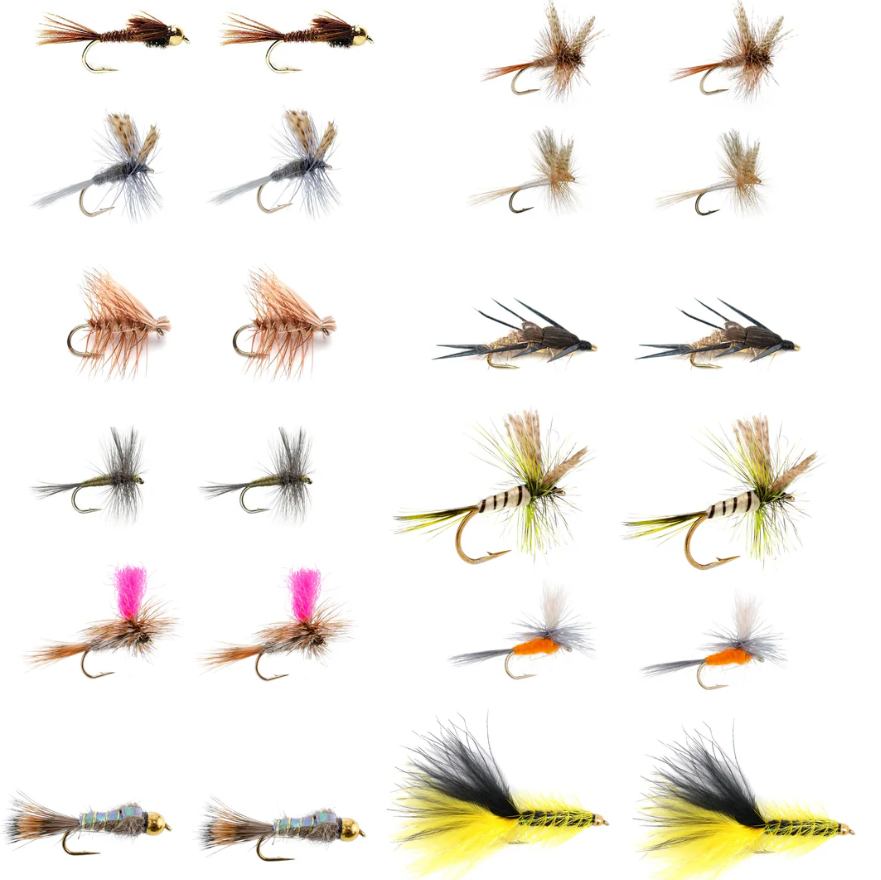
Fly fishing is arguably the most iconic way to catch trout, and for good reason. Trout feed heavily on aquatic insects, making fly patterns incredibly effective.
The goal with fly fishing is to imitate the insects trout naturally eat.
Some classic fly techniques include:
Dry Fly Fishing
This method uses floating flies that imitate insects sitting on the water surface. Few experiences in fishing compare to watching a trout rise and sip your fly.
Dry flies work best when insects are hatching and trout are feeding near the surface.
Nymph Fishing
Most trout feeding actually happens below the surface. Nymphs imitate insect larvae drifting in the current. When trout aren’t rising, nymphing often produces the most fish.
A natural drift is critical here—if your fly drags unnaturally, trout will ignore it.
Streamer Fishing
Streamers imitate small fish or leeches. This technique works well when targeting larger trout that feed on baitfish.
Streamer fishing often involves stripping the fly back through deeper water, triggering aggressive strikes.
Spin Fishing
While fly fishing gets a lot of attention, spin fishing is extremely effective and often easier for beginners.
Using spinning gear allows you to cover water quickly and present lures at different depths.
Some excellent trout lures include:
- Inline spinners
- Small spoons
- Crankbaits
- Soft plastic minnows
Spinners are especially productive because their flashing blade attracts trout even in slightly murky water.
One trick I’ve learned is to retrieve slowly and let the lure swing naturally with the current.
Trout often strike as the lure swings across the flow.
Bait Fishing
If regulations allow it, natural bait can be extremely effective for trout.
Some reliable bait options include:
- Nightcrawlers
- Mealworms
- PowerBait
- Salmon eggs
The trick with bait fishing is presenting it naturally. Too much weight can make the bait look unnatural.
In streams, allow bait to drift naturally with the current whenever possible.
Recommended Gear for Trout Fishing
You don’t need expensive gear to start trout fishing, but having balanced equipment makes a big difference.
Rod and Reel
For spinning setups, I usually recommend:
- Light or ultralight rod
- 5–7 feet in length
- Small spinning reel
This combination provides enough sensitivity to feel subtle trout bites while still allowing long casts with lightweight lures.
Fly anglers typically use:
- 4–6 weight fly rods
- Floating fly line
This setup works well for most trout fishing situations.
Fishing Line
Light line is key when targeting trout.
Typical setups include:
- 4–6 lb monofilament
- 4–8 lb fluorocarbon
- Light braided line with fluorocarbon leader
Clear water often requires lighter leaders because trout can easily see thick line.
Lures for Trout
Some of my most reliable trout lures include:
- Panther Martin spinners
- Mepps spinners
- Kastmaster spoons
- Small Rapala minnows
Natural colors work well in clear water, while brighter colors help in stained water.
Seasonal Trout Fishing Strategies
Understanding seasonal patterns is one of the most important parts of learning how to catch Trout consistently.
Trout behavior changes dramatically throughout the year.
Spring
Spring is one of the best times for trout fishing.
As water temperatures rise, insect activity increases and trout feed aggressively.
Focus on:
- Shallow runs
- Stream inlets
- Areas near spawning beds
Both nymphs and small spinners work very well during spring.
Summer
In summer, trout look for cooler water.
They often move to:
- Deeper pools
- Shaded areas
- Fast, oxygen-rich currents
Early morning and late evening are usually the best times to fish during hot weather.
Fall
Fall can produce some of the biggest trout of the year.
Trout feed heavily before winter and become more aggressive.
Streamer fishing is particularly effective in fall because larger trout hunt baitfish.
Winter
Winter trout fishing requires patience.
Trout slow down and hold in deeper water where temperatures remain stable.
Slow presentations are key. Small jigs, nymphs, or slowly retrieved spoons often work best.
Common Trout Fishing Mistakes
Even experienced anglers make mistakes when fishing for trout.
Here are some of the most common ones.
Fishing Too Fast
Trout are not always aggressive.
Many anglers retrieve lures too quickly. Slowing down your presentation often results in more bites.
Ignoring Water Structure
Casting randomly rarely works.
Always look for:
- Current seams
- Eddies
- Drop-offs
- Underwater cover
Trout rarely sit in featureless water.
Using Line That’s Too Heavy
Trout have excellent eyesight.
Heavy fishing line can easily spook fish, especially in clear streams.
Advanced Tips for Catching More Trout
After years of chasing trout, a few habits consistently improve results.
Read the Water First
Before casting, spend a minute watching the water.
Look for rising fish, insect activity, and current patterns.
Make the First Cast Count
Trout spook easily.
Your first cast to a likely holding spot often has the best chance of success.
Change Presentations
If trout ignore your lure or fly, try:
- A different color
- A different size
- A slower retrieve
- A deeper presentation
Small adjustments can make a huge difference.
Final Thoughts
Trout fishing isn’t just about catching fish. It’s about the experience—the quiet rivers, the clear water, and the moments when everything comes together and a trout takes your fly or lure.
The more time you spend on the water, the more you’ll start noticing subtle details: how trout position themselves in currents, how insect hatches trigger feeding, and how presentation matters more than almost anything else.
Mastering a variety of Trout fishing techniques will make you a more versatile angler and help you adapt to changing conditions.
And honestly, that’s when trout fishing becomes truly rewarding.
Trout Fishing FAQ
What are the best Trout fishing techniques for beginners?
Spin fishing with small spinners or spoons is often the easiest technique for beginners. These lures are simple to use and attract trout effectively.
What is the best time of day to catch trout?
Early morning and late evening are usually the most productive times because trout are more active and light levels are lower.
Where should I cast when trout fishing in rivers?
Focus on current seams, behind rocks, along undercut banks, and at the tail of pools where trout wait for food drifting downstream.
What bait works best for trout?
Nightcrawlers, mealworms, salmon eggs, and artificial baits like PowerBait are all very effective options depending on local regulations.
Do trout prefer lures or flies?
Both can work well. Flies are excellent when trout feed on insects, while lures can cover more water and trigger reaction strikes.