Bass Fishing Rigs Guide: 10 Best Rigs for Catching Bass
Bass fishing rigs are the foundation of successful lure fishing. Whether you’re targeting largemouth bass in American reservoirs or chasing smallmouth bass in European rivers and lakes, the way you rig your bait determines how naturally it moves, how well it avoids snags, and ultimately how many fish you catch.
A well-chosen bass fishing rig allows anglers to present soft plastics and lures effectively in a wide range of environments—thick weeds, rocky bottoms, deep structures, or open water. Each rig has its own strengths, and experienced anglers often switch between several bass fishing setups during a single fishing trip.
In this bass fishing rig guide, we’ll explore the 10 best bass fishing rigs used by anglers across North America and Europe. You’ll learn when to use each rig, what situations they work best in, and how they can improve your fishing results. Whether you’re a beginner learning basic fishing rigs or an experienced angler refining your bass fishing rigging, this guide will give you a complete overview.
What Is a Fishing Rig
A fishing rig is the arrangement of terminal tackle—such as hooks, weights, swivels, and lures—attached to the end of a fishing line. Different rigs are designed for different techniques, depths, and species.
In bass fishing, rigs typically combine:
- Fishing line
- Hook
- Weight or sinker
- Soft plastic lure or bait
The way these components are assembled affects:
- How the lure moves in the water
- Whether the lure sinks, floats, or suspends
- How easily it moves through cover
- How natural it looks to bass
A properly designed bass fishing rig ensures that your lure presents itself in a realistic and effective way that triggers strikes.
Why Fishing Rigs Matter for Bass Fishing
Understanding bass fishing rigs is one of the most important skills an angler can learn. The same soft plastic bait can behave completely differently depending on how it is rigged.
Here are several reasons why rig selection matters:
1. Different rigs target different water depths
Some rigs fish close to the bottom while others suspend the lure above it.
2. Rigs control lure action
A wacky rig creates a fluttering action, while a Texas rig produces a subtle crawl along the bottom.
3. Rigs help avoid snags
Certain rigs bury the hook point in the lure, making them weedless and snag-resistant in heavy cover.
4. Rigs adapt to fish behavior
When bass are aggressive, moving rigs work best.
When bass are inactive, finesse rigs often trigger bites.
5. Rigs improve lure presentation
Correct rigging keeps your bait straight and natural in the water.
Because bass fishing conditions change constantly, experienced anglers rely on several bass fishing setups rather than just one.
Most Popular Bass Fishing Rigs
Below are 10 of the most widely used bass fishing rigs. These rigs cover nearly every fishing scenario—from shallow vegetation to deep offshore structures.
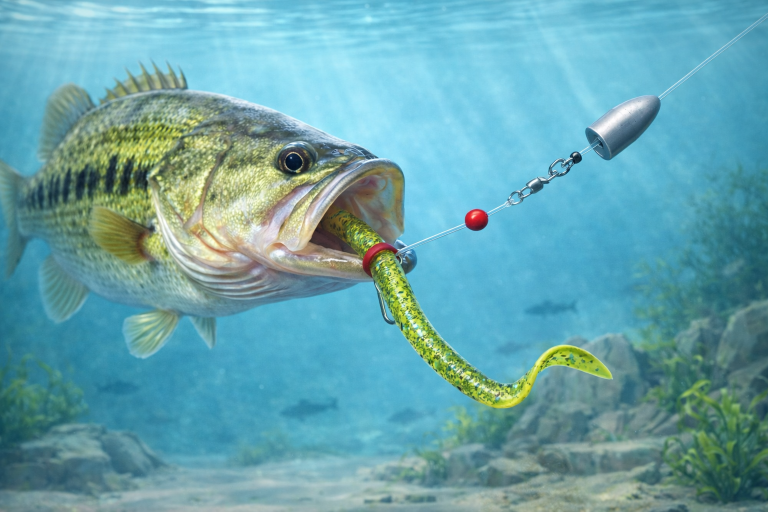
Texas Rig
The Texas Rig is arguably the most versatile of all bass fishing rigs. It is simple, effective, and extremely weedless.
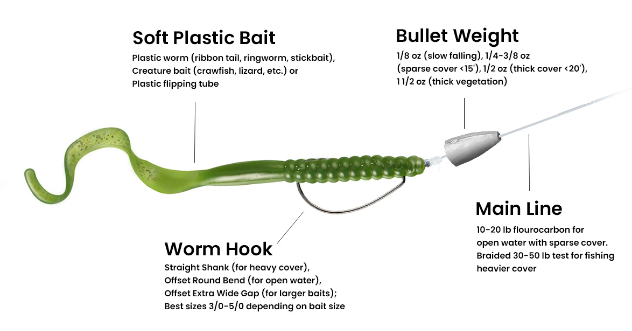
This rig typically includes:
- Bullet weight
- Offset worm hook
- Soft plastic worm or creature bait
The hook point is buried inside the plastic lure, making the rig snag resistant and ideal for fishing heavy cover like grass, brush piles, and docks.
For fishing heavy cover and vegetation, learning how to rig a Texas Rig is essential because it creates a weedless presentation that bass find hard to resist.
When to use it
- Thick weeds
- Brush and timber
- Dock fishing
- Flipping and pitching
Why anglers love it
The Texas rig can be fished almost anywhere—from shallow ponds to deep reservoirs.
Carolina Rig
The Carolina Rig is designed to cover large areas of water while keeping the bait close to the bottom.
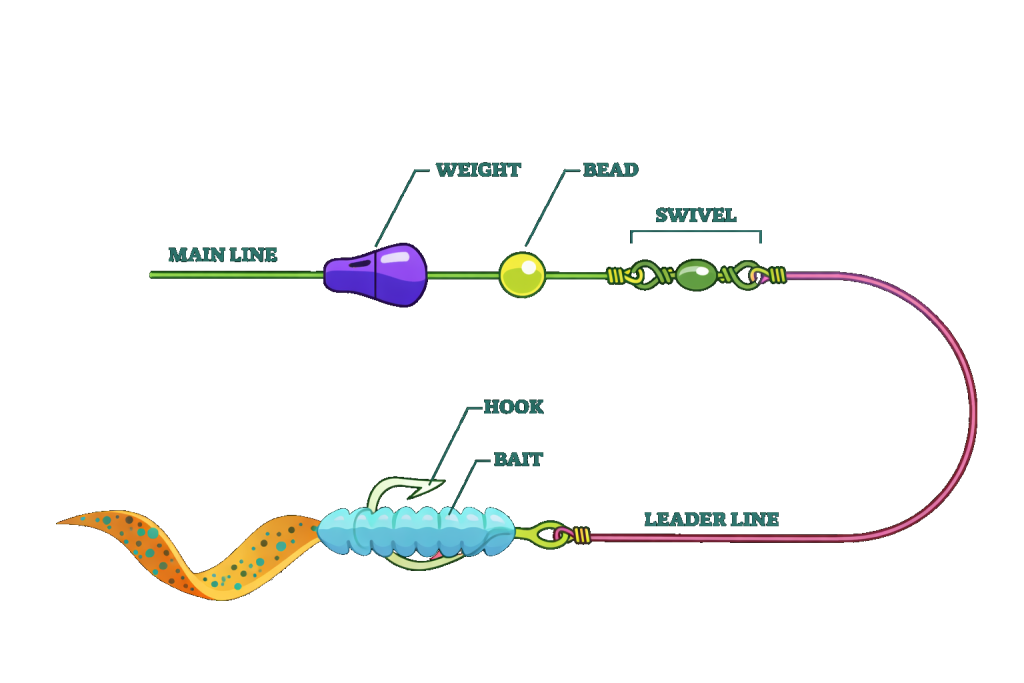
Components include:
- Sliding sinker
- Bead
- Swivel
- Leader line
- Hook and soft plastic bait
This setup allows the lure to move freely behind the weight, creating a natural presentation that bass find irresistible.
When bass are scattered across large areas, many anglers rely on how to rig a Carolina Rig to cover water and present soft plastics naturally.
When to use it
- Deep water structures
- Offshore humps
- Large flats
- Points and ledges
Key advantage
It allows bass to grab the bait without immediately feeling the weight.
Drop Shot Rig
The Drop Shot Rig is one of the most effective finesse techniques in modern bass fishing.
Unlike most rigs, the weight sits below the hook, allowing the bait to suspend slightly above the bottom.
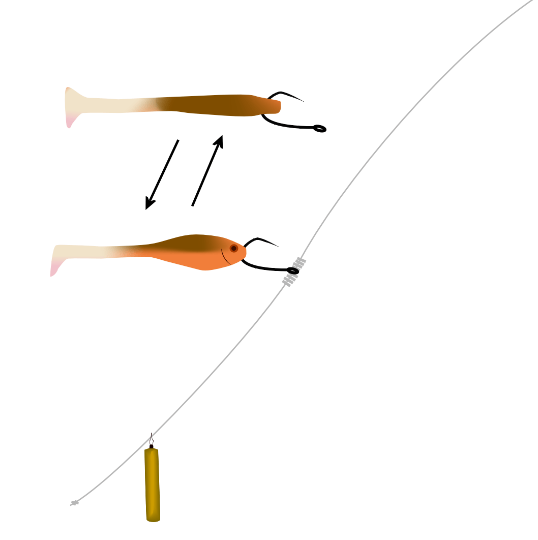
This presentation is extremely natural and works well for suspended or pressured fish.
For deep water or suspended fish, understanding how to rig a Drop Shot Rig allows anglers to keep their bait perfectly positioned above the bottom.
Best conditions
- Clear water
- Deep lakes
- Cold fronts
- Finicky bass
Wacky Rig
The Wacky Rig is famous for its incredibly natural action.
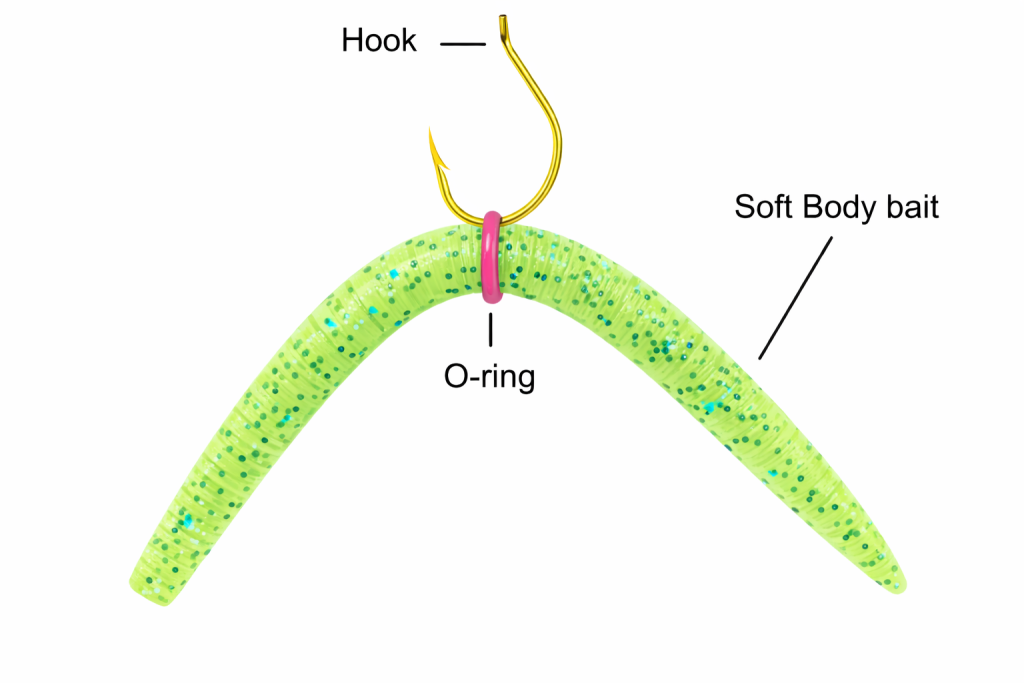
Instead of hooking the worm at the head, the hook is inserted through the middle of the bait, allowing both ends to flutter as it sinks.
In clear water or pressured lakes, learning how to rig a Wacky Rig can trigger bites from bass that ignore traditional presentations.
Best situations
- Calm water
- Light cover
- Shallow bass
Popular baits
- Stick worms (Senko style)
Ned Rig
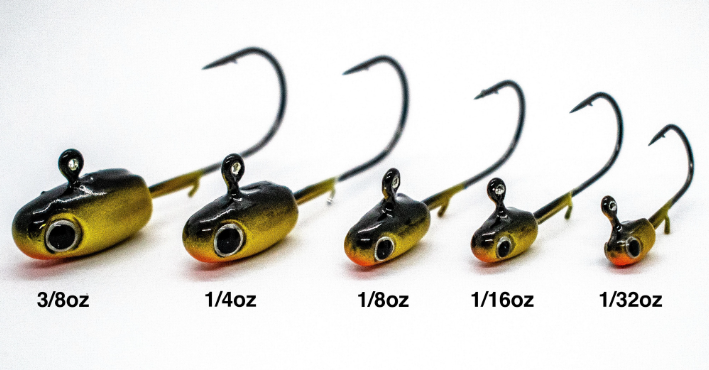
The Ned Rig is a finesse technique that uses a small soft plastic bait on a lightweight jig head.
This rig is particularly effective when bass are inactive or heavily pressured.
The lure sits upright on the bottom and produces subtle movement.
For a subtle bottom presentation, experienced anglers recommend how to rig a Neko Rig when targeting pressured bass.
When to use it
- Cold water
- Tough fishing conditions
- Smallmouth bass lakes
Neko Rig
The Neko Rig is similar to the Wacky Rig but with a weighted head.
A small nail weight is inserted into the end of the worm, allowing the lure to stand upright on the bottom.
Key benefit
Creates a unique vertical presentation that bass rarely see.
Shaky Head Rig
The Shaky Head Rig uses a jig head with a screw lock to hold a worm.
The worm stands up on the bottom when the angler shakes the rod tip.
Fishing rocky structure becomes easier once you understand how to rig a Shaky Head Rig with soft plastic worms.
Ideal conditions
- Rocky bottoms
- Clear water
- Slow fishing presentations
Alabama Rig
The Alabama Rig imitates a school of baitfish by attaching multiple lures to a single wire frame.
This rig became famous after dominating several bass tournaments.
During schooling periods, learning how to rig an Alabama Rig allows anglers to imitate an entire baitfish school.
When it works best
- Fall and winter
- Open water
- When bass feed on baitfish schools
Tokyo Rig
The Tokyo Rig is a modern bass fishing innovation that separates the weight from the hook using a wire dropper.
This allows the lure to move freely while the weight stays on the bottom.
For fishing heavy structure, knowing how to rig a Tokyo Rig can improve lure action while keeping the bait above the bottom.
Best uses
- Heavy cover
- Bottom structure
- Craw-style soft plastics
Jig Head Rig
The Jig Head Rig is one of the simplest and most effective fishing rigs.
It uses a jig head weight attached directly to the hook.
Common soft plastics include:
- Swimbaits
- Grubs
- Paddle tails
Soft plastic swimbaits perform best when anglers know how to rig a Jig Head Rig properly.
Where it excels
- Rivers
- Lakes
- Offshore structure
How to Choose the Right Bass Fishing Rig
Selecting the right bass fishing rig depends on several factors.
Water depth
- Shallow water: Wacky rig, Texas rig
- Deep water: Carolina rig, Drop shot
Cover type
- Heavy vegetation: Texas rig
- Open water: Alabama rig
Fish activity
- Aggressive bass: moving rigs
- Inactive bass: finesse rigs
Bottom structure
- Rocks → Shaky head
- Sand → Carolina rig
- Grass → Texas rig
Choosing the right bass fishing setup dramatically increases your chances of catching fish.
Tips for Fishing Different Rigs
Experienced anglers adapt their techniques depending on the rig they are using.
Texas Rig tips
- Use heavier weights in thick cover
- Pitch into small openings
Carolina Rig tips
- Drag slowly along the bottom
- Pause often
Drop Shot tips
- Keep movements subtle
- Shake the rod gently
Wacky Rig tips
- Let the bait fall naturally
- Avoid overworking it
Common Rigging Mistakes
Even experienced anglers make mistakes when rigging soft plastics.
Crooked bait rigging
A bent worm spins unnaturally and reduces bites.
Wrong weight size
Too heavy → unnatural movement
Too light → poor depth control
Poor hook placement
Incorrect hook positioning leads to missed hooksets.
Using the same rig everywhere
Different environments require different rigs.
Final Tips for Catching More Bass
Mastering bass fishing rigs takes time and experimentation. The best anglers constantly adjust their bass fishing setups based on water conditions, fish behavior, and seasonal patterns.
Here are a few final tips:
- Learn multiple rigs, not just one
- Carry a variety of weights and hooks
- Match your rig to the structure you’re fishing
- Slow down when bass are inactive
- Experiment until you find what works that day
In reality, most successful bass anglers rely on five or six core rigs for the majority of their fishing. Once you master the fundamentals of bass fishing rigging, you’ll be able to adapt to almost any fishing situation and dramatically increase your catch rate.