How to Tie a Blood Knot
The Blood Knot is a classic Blood Knot fishing knot used to join two pieces of fishing line into one smooth connection. If you’re searching how to tie Blood Knot, the good news is that once you learn the rhythm, it becomes one of the cleanest line-to-line knots you can tie—especially for building leaders and extending fluorocarbon or monofilament. This guide explains Blood Knot strength, walks through Blood Knot step by step, and clarifies when (and when not) to use a Blood Knot for braid.
What Is the Blood Knot
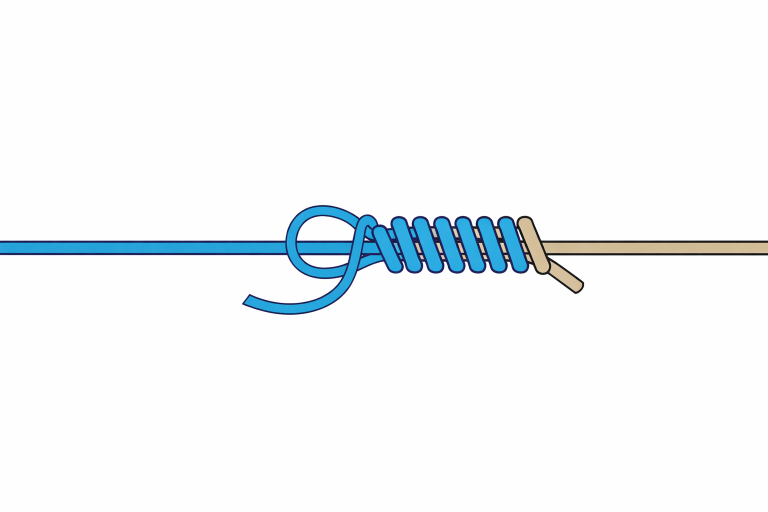
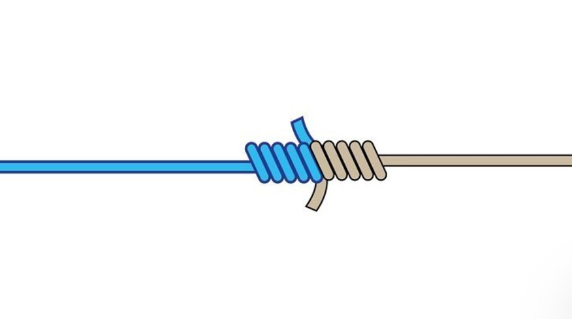
The Blood Knot is a line-to-line knot designed primarily for joining two lines of similar diameter, commonly used for leader and tippet connections in fly fishing and for extending mono/fluoro leaders in lure fishing.
It’s known for creating a slim, guide-friendly profile, which helps it pass through rod guides more smoothly than bulkier alternatives.
Why This Knot Is So Strong
Blood Knot strength comes from symmetrical wraps on both sides that “barrel” together when tightened correctly. Most instructions recommend at least 5 wraps per side (often up to 7) to build proper friction and holding power.
It performs best when the two lines are close in diameter—several expert resources note that if the diameters differ too much, reliability drops and other knots may be safer.
About Blood Knot for braid: braid is slick and usually differs in diameter/texture from fluoro/mono, so the Blood Knot is not the first choice for braid-to-leader. Many anglers instead use leader knots specifically designed for braid connections.
How to Tie the Blood Knot (Step-by-Step)
Here’s a clear Blood Knot step by step method used across reputable knot guides:
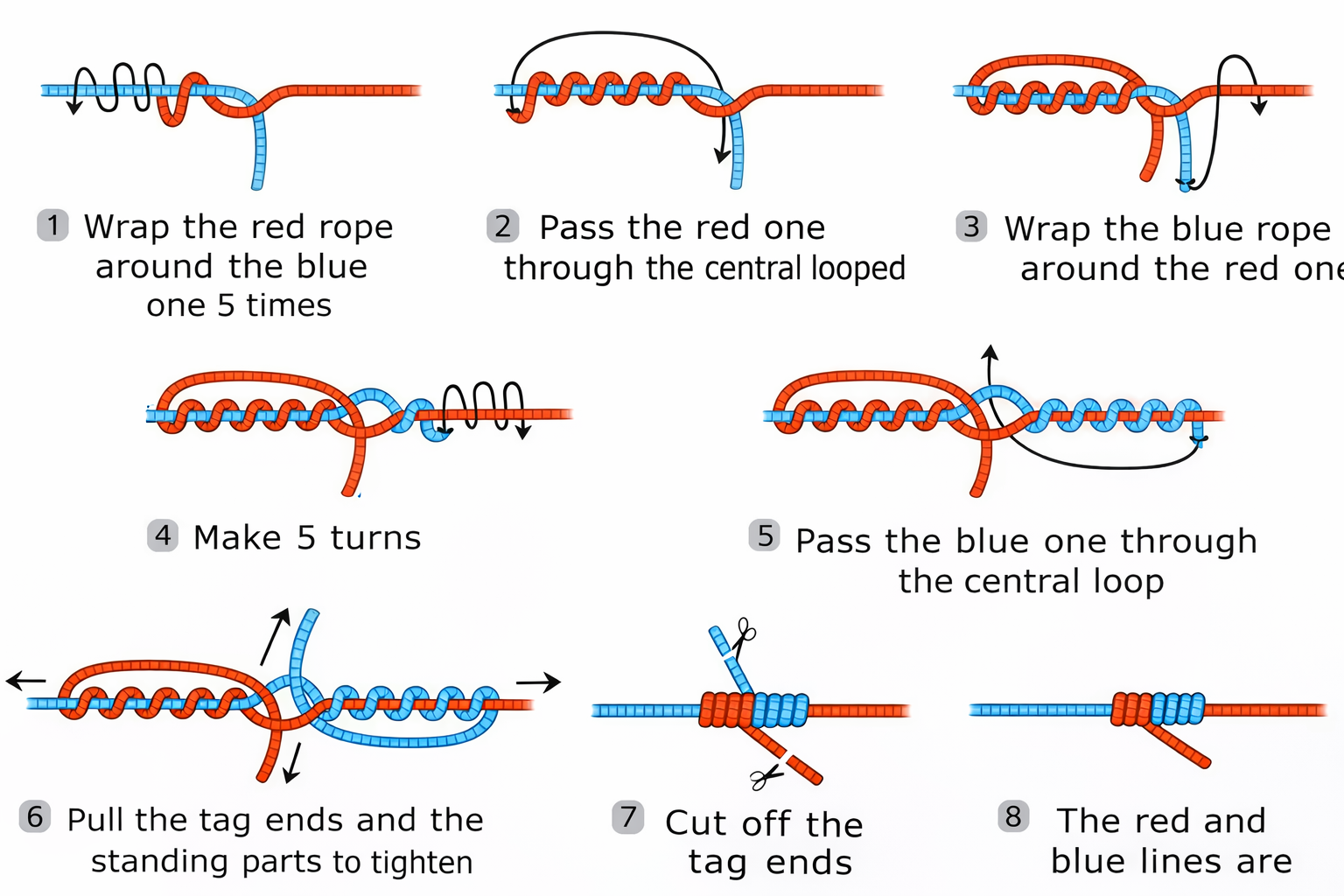
- Overlap the two lines by about 6–10 inches and hold the overlap firmly.
- Take Line A’s tag end and wrap it around Line B 5–7 times, working away from the center pinch point.
- After wrapping, pass Line A’s tag end back through the center gap between the two lines (right where your fingers are pinching).
- Now take Line B’s tag end and wrap it around Line A 5–7 times in the opposite direction.
- Pass Line B’s tag end through that same center gap, but from the opposite direction so the tag ends exit on opposite sides.
- Wet the knot and pull both standing lines slowly to begin seating the wraps.
- Finish by tightening firmly until the coils “barrel” together, then trim both tag ends close.
When to Use This Knot
Use the Blood Knot when you want a smooth, strong line-to-line join, especially for:
- Fluorocarbon-to-fluorocarbon or mono-to-mono connections where diameters are similar (leader extension, top-shot extension, tippet building).
- Situations where you want a knot that slides through rod guides cleanly, which can matter for long leaders and repeated casting.
Be cautious (or choose another knot) when:
- The two lines have very different diameters—experts often recommend alternatives because the Blood Knot may fail when diameters don’t match well.
- You’re trying to connect braid to fluorocarbon/mono (Blood Knot for braid). In practice, many anglers prefer braid-friendly leader knots instead.
Quick comparison with other fishing knots (practical choice guide):
- Blood Knot vs Surgeon’s Knot: Blood is often smoother through guides, but Surgeon’s is easier—especially with cold hands or when diameters differ.
- Blood Knot vs Double Uni: Double Uni is a common “works on almost anything” join, but can be bulkier than a clean Blood Knot when diameters match.
- If diameters differ a lot, some guides recommend an Improved Blood Knot variation designed for mismatched lines.
Common Mistakes
- Line diameters too different
The knot can slip or break when one line is much thicker than the other. - Too few wraps
Many instructions emphasize 5–7 wraps per side for a reason—less can reduce holding power. - Tag ends exit the same direction
A standard Blood Knot typically has tag ends exiting opposite directions through the center gap. If both exit the same way, seating can be inconsistent. - Not lubricating before tightening
Dry cinching increases friction and weakens mono/fluoro, especially lighter lines. - Uneven tightening
If one side seats before the other, the “barrel” doesn’t form cleanly and strength suffers.
Pro Tips
- Think of it as “two clinch knots jammed together.” This mental model helps many anglers keep the center gap open and the wraps organized.
- Maintain steady tension to seat the knot fully, then give the standing lines a few firm pull tests before fishing—this simulates a hookset or surge and exposes bad ties early.
- If you struggle to keep the center gap open, try a method that “locks” your pinch point and feeds both tags through cleanly—video tutorials from established instructors can help build muscle memory.
- For fluorocarbon, wet thoroughly and tighten slowly—it’s more sensitive to friction during cinch-down.
Blood Knot vs Other Fishing Knots
| Knot | Best for | Strength & reliability | Why choose it |
|---|---|---|---|
| Uni Knot | All-around terminal knot; also Double Uni for line-to-line | Strong and versatile across mono/fluoro/braid when wrapped correctly | One knot that does almost everything (lures, snaps, swivels, leader joins) |
| Palomar knot | Terminal knot, especially braid | Very strong and consistent for braid because the line is doubled through the eye | Fast to tie, fewer steps—great when you need a reliable braid terminal knot |
| Improved Clinch | Mono/fluoro terminal (hooks, small lures) | Good on mono/fluoro, but can slip / vary on braid unless modified | Simple and quick for small hooks/lures on mono/fluoro |
| Blood Knot | Line-to-line with similar diameters (leader/tippet extensions) | Slim and smooth, passes guides well; best when diameters match | Great for building/lengthening leaders without a bulky knot |
| Double Uni knot | Practical braid-to-leader (everyday use) | Reliable “workhorse” join; bulkier than some specialized leader knots but easy and consistent | Easiest leader connection to learn and tie anywhere, anytime |