How to Remove a Fishhook from Your Skin Safely
Getting a fishing hook embedded in your skin is one of the most painful — and unfortunately common — accidents that can happen while lure fishing. Whether it’s from a struggling fish, an accidental swing of your rod, or a cast going awry, knowing how to safely remove a hook can save you pain and embarrassment. More importantly, it helps prevent infection and further injury.
Before we dive in, here’s a very important safety rule: If a hook is deeply embedded, lodged in a joint, near an eye, or in an area you’re unsure about, don’t attempt removal yourself — seek medical help immediately. Trying to remove a deeply embedded hook without proper medical training can cause serious damage.
Safe Fishhook Removal: 3 Techniques Every Angler Should Know
There are several effective ways to remove a fishhook from shallow skin injuries. All of these methods are widely recommended in first‑aid guides and emergency care resources — but remember to stay calm and deliberate while performing them.
1. String Pull (String Yank) Method — Quick & Low‑Pain
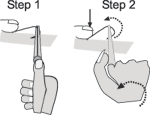
This is one of the most effective and least painful techniques when the barb is beneath the skin but not deeply buried:
- Clean the wound and surrounding skin with soap and water.
- Tie a loop of strong fishing line around the bend of the hook near the skin.
- Use one hand to press down on the hook shank, flattening the barb against the skin to disengage it.
- With the other hand, give the loop a firm, quick tug in the opposite direction of entry. The hook should pop out along the same path it went in with minimal tearing.
- Clean the wound, apply an antiseptic, and cover with a sterile dressing afterward.
This method works best for shallow hooks that aren’t deeply embedded and is widely recommended for field first aid.
2. Push‑Through and Cut (Barb Removal) Method
If the barb is visible just under the surface, you can use this method:
- Gently push the hook forward through the skin until the barb emerges out the other side.
- Use pliers or wire cutters to snip off the barb once it’s exposed.
- Once the barb is removed, the hook can be backed out easily and with less damage.
- Clean and dress the wound afterward.
This technique helps avoid additional tearing by eliminating the barb before pulling the hook back.
3. Direct Pull Technique Using Pliers
If the hook is superficially embedded and the barb isn’t too deep, you may be able to remove it directly:
- Clean the area with disinfectant.
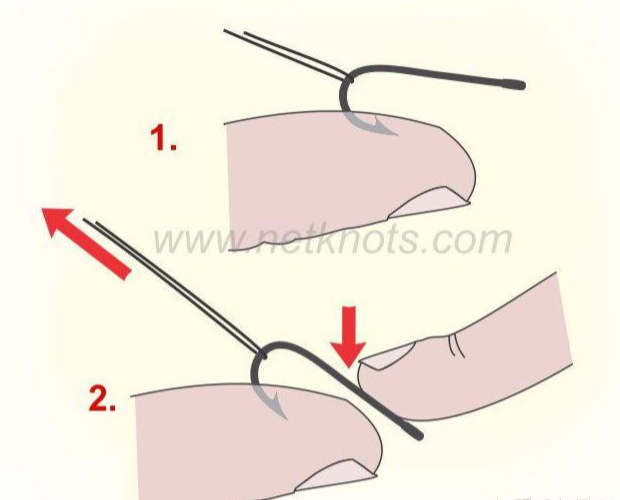
- Use needle‑nose pliers or forceps to grasp the hook as close to the skin as possible.
- While pressing the shank downward to disengage the barb, pull the hook out with a firm, quick motion.
- This method requires confidence and control — slow or hesitant pulling can cause tearing.
Once removed, immediately clean the wound and treat with antiseptic. Monitor the area for signs of infection such as swelling, redness, or warmth.
Aftercare You Should Know
Once the hook is out:
Clean carefully with soap and water to reduce infection risk.
Apply a sterile dressing and, if available, an antibiotic ointment.
Keep your tetanus vaccination up to date — fishhooks and outdoor injuries can introduce bacteria.
If pain, swelling, or pus develops, seek medical care promptly.
Important: If the hook is deeply embedded, near the eye, or in a hand joint or tendon, don’t attempt self‑removal — get professional medical help right away to avoid nerve or tissue damage.
Important: If the hook is deeply embedded, near the eye, or in a hand joint or tendon, don’t attempt self‑removal — get professional medical help right away to avoid nerve or tissue damage.
Important: If the hook is deeply embedded, near the eye, or in a hand joint or tendon, don’t attempt self‑removal — get professional medical help right away to avoid nerve or tissue damage.