How to Find Fish When Lure Fishing: 7 Proven Tips
Finding fish is the most important skill in lure fishing — even more so than having the best gear or perfect technique. No matter how advanced your rod or lure is, if there are no fish, you won’t catch anything. Successful anglers learn how fish think, where they go, and why they choose some spots over others. Once you understand fish behavior and habitat preferences, you’ll spend less time guessing and more time catching fish.
1. Fish Seek Adequate Oxygen
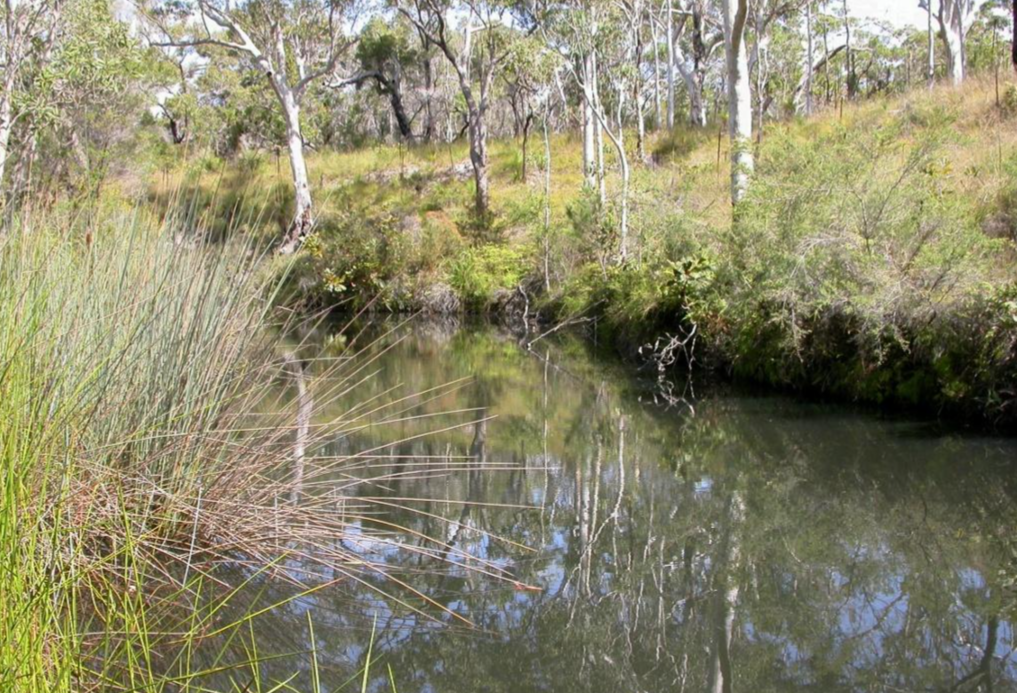
Fish need dissolved oxygen to survive. Areas with plenty of oxygen are almost always productive fishing spots. Water movement increases dissolved oxygen — this includes waterfalls, rapids, incoming streams, or even windy shorelines where waves stir the surface. Fish will gravitate to these oxygen‑rich zones and hold there to conserve energy while having access to food.
On the other hand, fish tend to avoid stagnant, polluted, or oxygen‑poor water, such as areas with lots of decaying vegetation or low circulation.
2. Fish Follow Comfortable Water Temperatures
Fish are cold‑blooded, meaning their body temperature and metabolism depend on the surrounding water temperature. When water gets too warm or too cold, fish will move to depths or areas where the temperature is within their comfort zone.
Different species prefer different temperature ranges, but in general:
- Fish are more active at their optimal temperature because metabolism and feeding behavior increase.
- If water is too cold or too hot, fish slow down and feed less, reducing bites even if your lure presentation is perfect.
- Seasonal shifts — such as moving to shallow warmer springs or deeper cooler summer zones — play a key role in fish location.
3. Fish Hide Where They Feel Safe
Fish often avoid open water where they are vulnerable to predators. Instead, they use structure and cover to hide. This includes:
- Submerged rocks, logs, and stumps
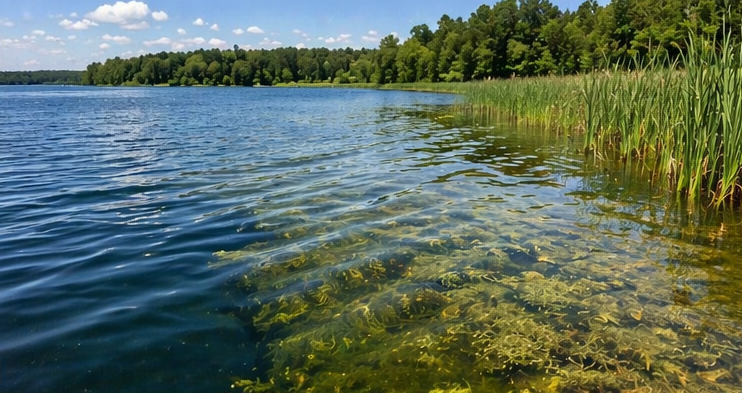
- Vegetation edges and weed beds
- Drop‑offs and depth changes
- Dock pilings and man‑made cover
These areas provide shelter, ambush points for feeding, and protection from birds and larger fish. You can dramatically increase your catch rate by targeting these structures with your lures.
4. Fish Prefer Comfortable Water Flow
Fish like to conserve energy. Very fast flowing water takes effort to maintain position, so fish usually hold in current breaks, eddies, or slow spots adjacent to fast water.
Look for areas where:
- Fast water meets slow water
- Current hits an obstacle and softens behind it
- Flow transitions near deeper pools or humps
Fish use these “feeding zones” to ambush prey without constantly swimming against heavy current.
5. Fish Follow the Food Chain
Fish go where the food is. This often means areas with:
- Abundant baitfish
- Insects falling into water
- Drifting forage in current
- Thermocline edges in lakes (where temperature rapidly changes and forage concentrates)
Feeding fish also create surface activity — splashes, ripples, birds diving, etc. — which are visual clues you’re near fish.
6. Fish Move with the Seasons
Fish locations change throughout the year based on temperature, oxygen, and feeding needs:
- In spring, fish migrate shallow to feed and spawn.
- In summer, they seek cooler, oxygenated zones near structure.
- In fall, they often feed aggressively before winter.
- In winter, fish slow down and stay near deeper, stable water.
Understanding these seasonal movements helps you anticipate where fish will be rather than randomly searching.
7. Use Technology to Confirm Fish Locations
Modern anglers use tools like fishfinders and sonar to locate hidden structure, fish schools, and water depth changes before casting. These tools reveal underwater topography and fish presence that aren’t visible from the surface, helping you refine your search and catch more fish consistently.