7 Topwater Fishing Tips to Catch More Fish
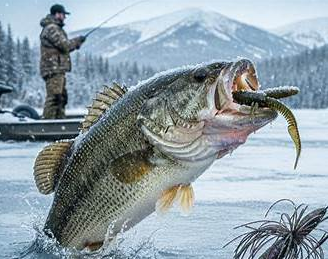
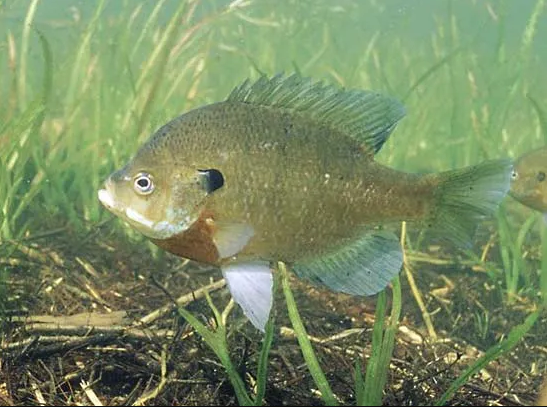
Fishing lures on the water surface can be one of the most exciting experiences in lure fishing — watching a calm surface suddenly explode as a fish strikes your bait is what many anglers live for. Especially in warm weather and feeding seasons, fish will aggressively attack topwater lures, making surface fishing both effective and thrilling. Topwater action increases when fish are hunting insects, shad, or baitfish near the surface, and this often happens in late spring through summer.
Here are 7 topwater fishing tips to help you get more strikes and land more fish on topwater lures.
1. Target Shallow Spawning Areas
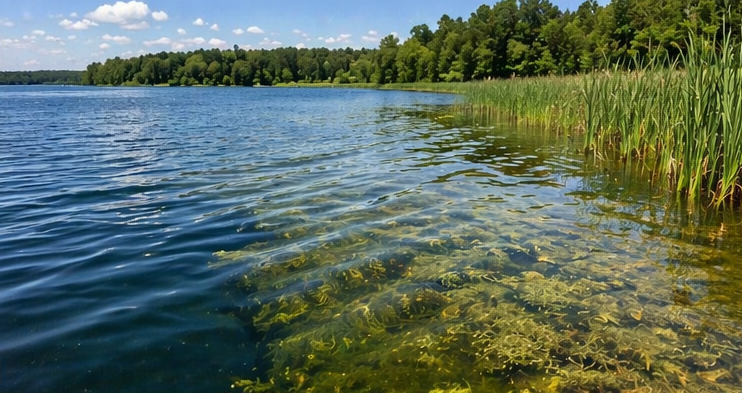
Fish often stay near shallow structure, such as submerged rocks, fallen logs, or spawning flats. These areas, especially after spawning seasons, tend to attract fish feeding on insects or protecting their young — making them prime spots for walking baits or buzzing lures.
2. Cast Near Docks and Cover
Surface predators like to ambush prey from shade and structure. Casting your topwater lure right under docks, piers, or shaded bank edges places your bait where fish are most likely hiding and watching for movement on the surface.
3. Adjust Retrieve Speed to Conditions
Retrieval speed matters. In cooler or slower bite conditions, slow your retrieve and add pauses — this mimics injured prey and often triggers strikes. In warmer water or high activity, a faster retrieve keeps your lure lively and tempting.
4. Make Noise When Needed
In rough water or wind, use topwater lures that generate sound and disturbance. Poppers and buzzbaits create splashes and vibration that fish can detect even in choppy conditions, increasing your lure’s visibility and chance of a strike.
5. Keep the Retrieve Steady When Fished
If you see a fish chasing your lure, maintain a consistent retrieve. Suddenly stopping can cause the fish to lose interest or turn away. A steady pace gives the predator a familiar target and keeps them committed to the chase.
6. Cast Long and Cover More Water
When fishing in clear water, cast away from your boat or bank to reach feeding fish that may be farther out. Longer casts increase your chances of encountering fish, and using braided line can help achieve distance while maintaining sensitivity.
7. Move to Shallow Water When Conditions Change
As water levels rise or clarity decreases, fish often move into shallow areas. In these conditions, switch to shallow zones and continue applying the other six principles. Surface lures in shallow water can attract strikes from fish forced up toward the surface to feed.