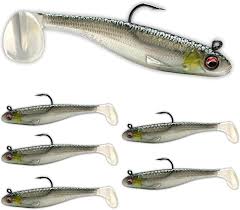
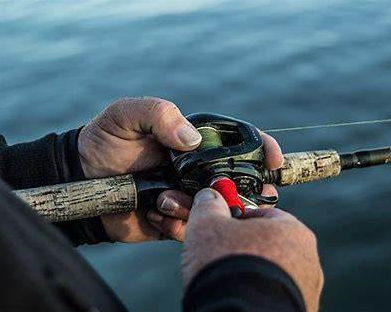
How to Tie a Fishing Lure: 12 Essential Fishing Knots
Knowing how to tie a fishing lure correctly is one of the most important skills in lure fishing. A poorly tied knot can cause lost fish, broken lines, and wasted fishing time. In contrast, a well-tied knot ensures maximum line strength and allows your lure to perform exactly as designed.
While there are hundreds of fishing knots, experienced anglers typically rely on a small set of proven knots that cover nearly every fishing situation. These knots are designed specifically for modern fishing lines such as monofilament, fluorocarbon, and braided line, ensuring secure connections between your line and lure.
When learning how to tie a fishing lure, anglers should focus on three main types of knots:
Terminal knots – tying line directly to a lure or hook
Leader knots – connecting braid to fluorocarbon or mono leaders
Loop knots – giving lures more natural action
In this complete guide, you’ll learn the 12 most useful fishing knots used in modern lure fishing.
Master these knots and you will be able to handle almost any fishing setup.
Types of Fishing Knots Used in Lure Fishing
Before diving into individual knots, it helps to understand the three categories of lure fishing knots.
Terminal Knots
Terminal knots attach your main fishing line directly to a lure, hook, swivel, or snap.
Most anglers rely on a few trusted knots for this purpose.
Common examples include:
- Improved Clinch Knot
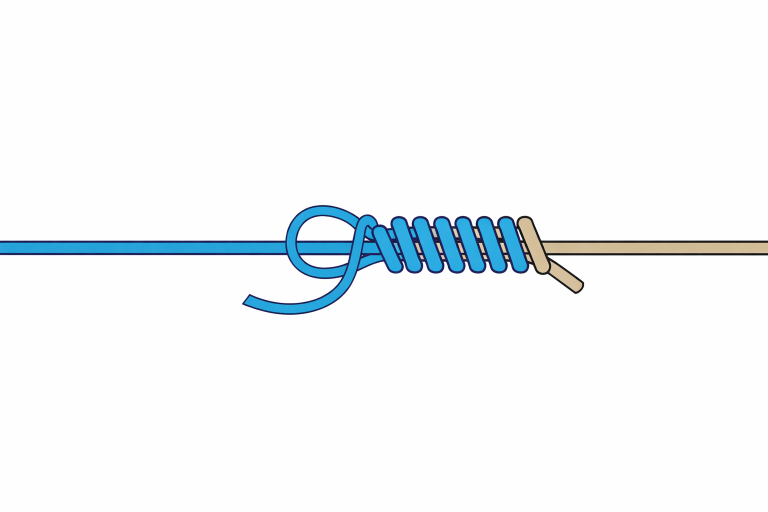
- Uni Knot
- Palomar Knot
- San Diego Jam Knot
These knots are widely used because they are simple, strong, and reliable.
Leader Knots
Leader knots connect two fishing lines together, most commonly braid to fluorocarbon.
Popular leader knots include:
- Double Uni Knot
- FG Knot
- Blood Knot
- Albright Knot
Leader knots must be strong and slim so they can pass through rod guides smoothly.
Loop Knots
Loop knots create a free-swinging loop that allows lures to move more naturally.
These knots are especially useful for:
- jerkbaits
- crankbaits
- topwater lures
Common loop knots include:
- Rapala Knot
- Non-Slip Loop Knot
Essential Terminal Knots for Lure Fishing
Improved Clinch Knot
The Improved Clinch Knot is one of the most widely used fishing knots. It is simple to tie and works well with monofilament and fluorocarbon lines.
Best Uses
- tying small lures
- hooks
- swivels
Basic Steps
- Pass the line through the lure eye.
- Wrap the tag end around the main line 5–7 turns.
- Insert the tag end through the loop near the eye.
- Pass it through the larger loop.
- Wet the knot and tighten slowly.
Uni Knot
For beginners, learning how to tie a Uni Knot is a great starting point because it is one of the most versatile fishing knots used for tying lures, hooks, swivels, and even joining lines.
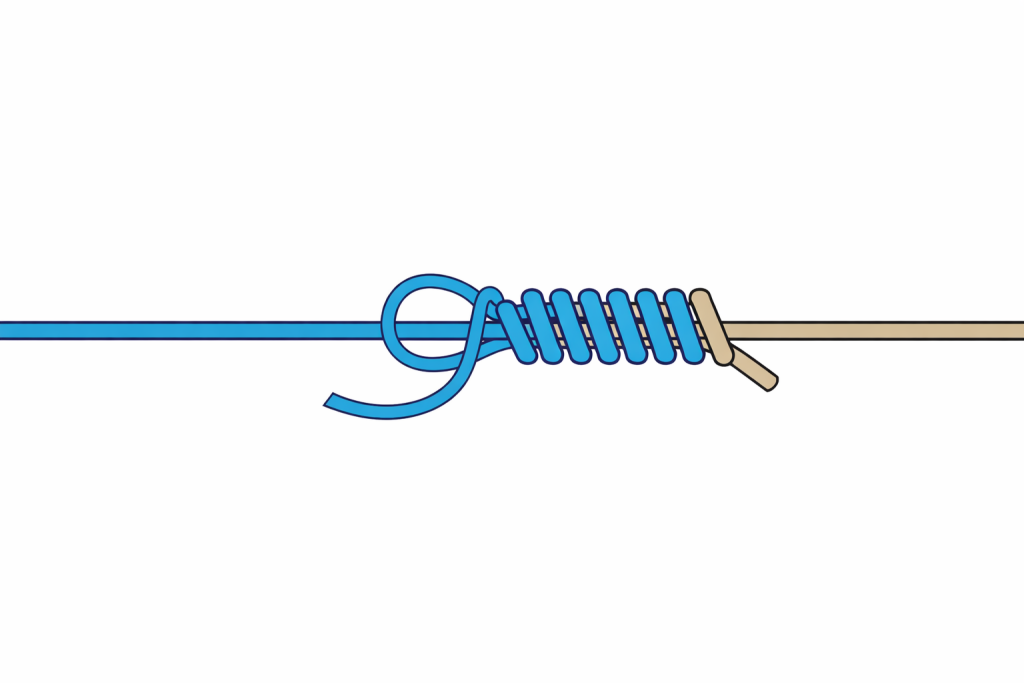
The Uni Knot is considered one of the most versatile fishing knots because it works for both terminal connections and line-to-line connections.
Advantages
- Works with braid, mono, and fluorocarbon
- Easy to learn
- Reliable knot strength
Best Uses
- attaching lures
- tying hooks
- connecting swivels
Palomar Knot
For anglers looking for a strong and simple connection, learning how to tie a Palomar Knot is essential because it is one of the most reliable knots for attaching fishing line to lures, hooks, or swivels.
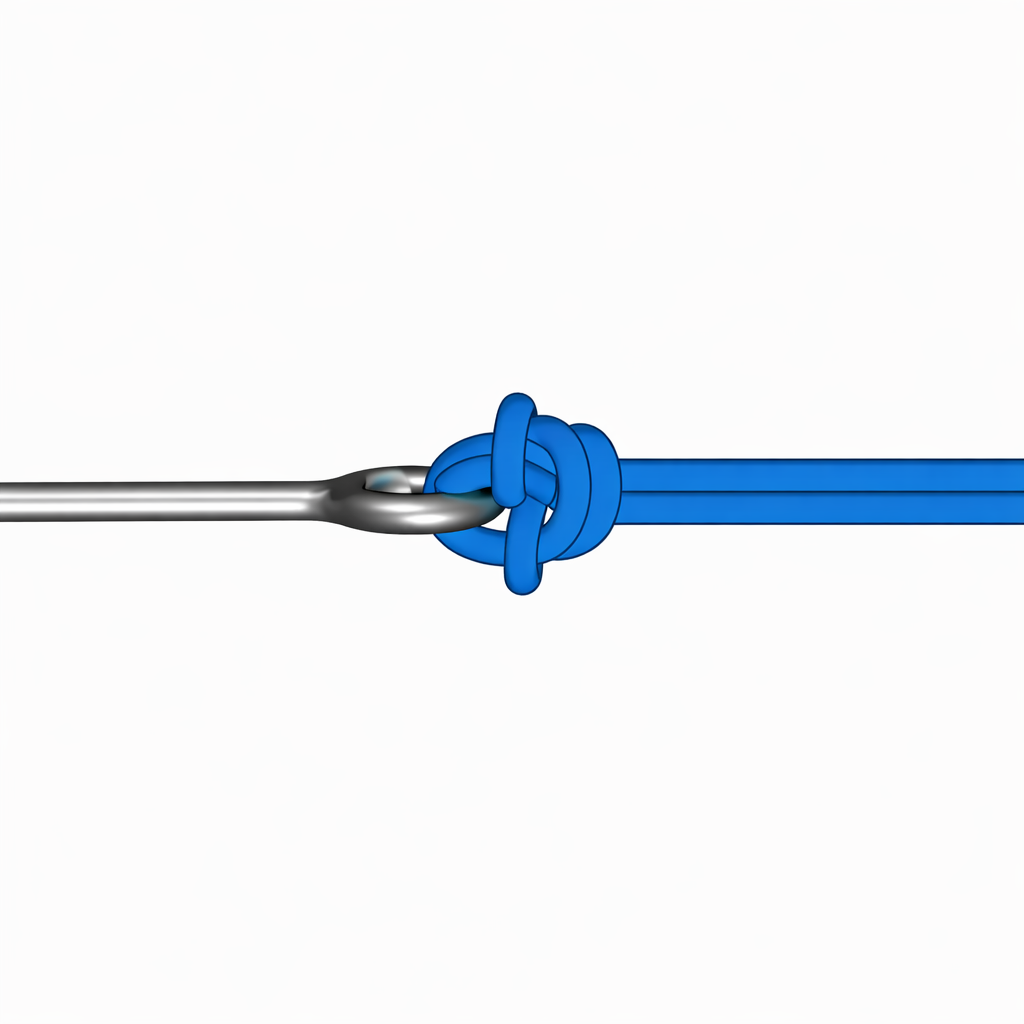
The Palomar Knot is famous for its exceptional strength and simple design. It is widely recommended for braided fishing lines.
Advantages
- extremely strong
- simple to tie
- works well with braid
Best Uses
- jigs
- hooks
- heavy lure setups
San Diego Jam Knot
The San Diego Jam Knot is popular among saltwater anglers and bass fishermen.
It is strong, quick to tie, and works well with heavier fishing lines.
Best Uses
- heavy lures
- jig fishing
- saltwater fishing
Leader Knots for Connecting Fishing Lines
Double Uni Knot
The Double Uni Knot is essentially two Uni knots tied together.
It is one of the easiest leader knots to tie on the water.
Advantages
- easy to tie
- strong connection
- reliable for braid to fluorocarbon
Basic Method
- Overlap two lines
- Tie a Uni knot on each line
- Pull the knots together
Blood Knot
When joining two lines of similar diameter, understanding how to tie a Blood Knot is useful because it creates a slim and reliable connection often used for leader extensions.
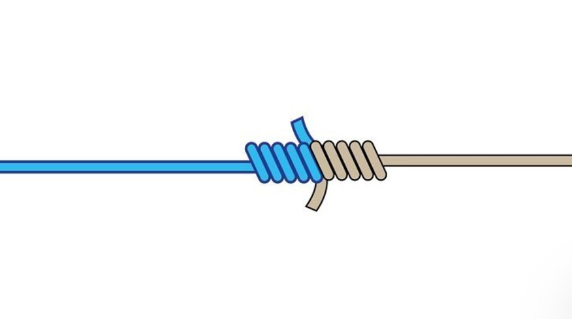
The Blood Knot is used to join two lines of similar diameter.
It is popular among fly fishermen and lure anglers alike.
Best Uses
- mono to mono connections
- leader extensions
FG Knot
When connecting braided line to a fluorocarbon leader, learning how to tie an FG Knot is extremely valuable because it creates one of the strongest and slimmest braid-to-leader connections used in modern fishing.
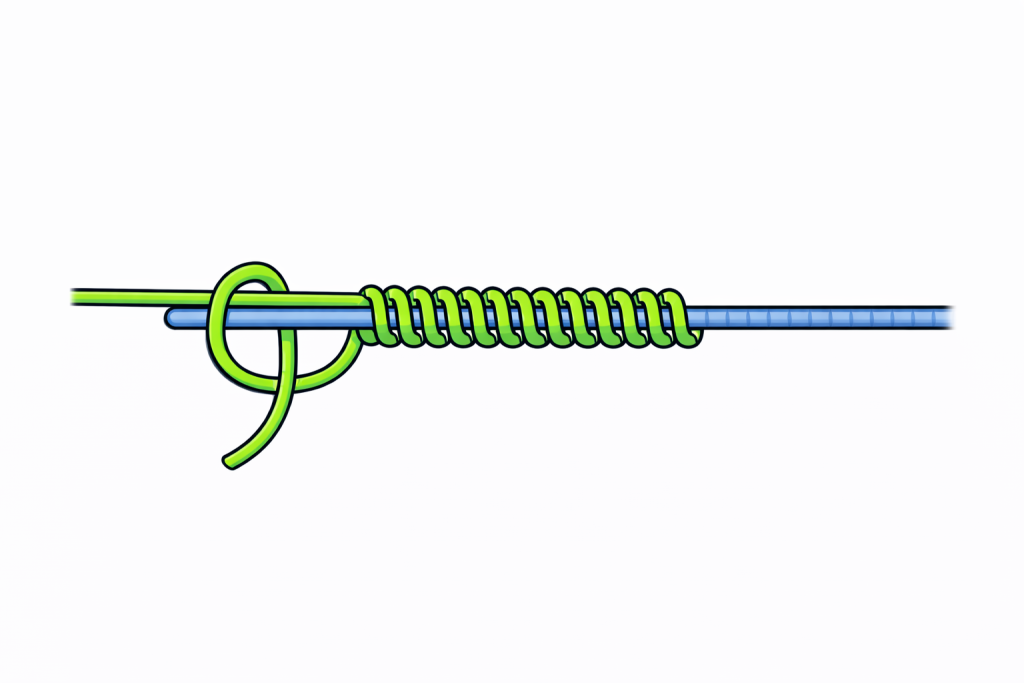
The FG Knot is considered one of the strongest braid-to-leader knots.
Unlike most knots, the braid wraps around the leader rather than tying a traditional knot.
Advantages
- extremely strong
- very slim profile
- casts smoothly through rod guides
Drawback
- harder to learn
Albright Knot
The Albright Knot is another strong knot used to join lines of different diameters.
It is particularly useful when connecting:
- braided line
- monofilament
- fluorocarbon leaders
Loop Knots for Better Lure Action
Rapala Knot
The Rapala Knot creates a loop that allows the lure to swing freely.
Best Uses
- jerkbaits
- crankbaits
- topwater lures
This loop connection improves lure movement and can increase strikes.
Non-Slip Loop Knot
The Non-Slip Loop Knot is another popular loop knot used in lure fishing.
Advantages
- strong loop connection
- excellent lure action
- reliable under pressure
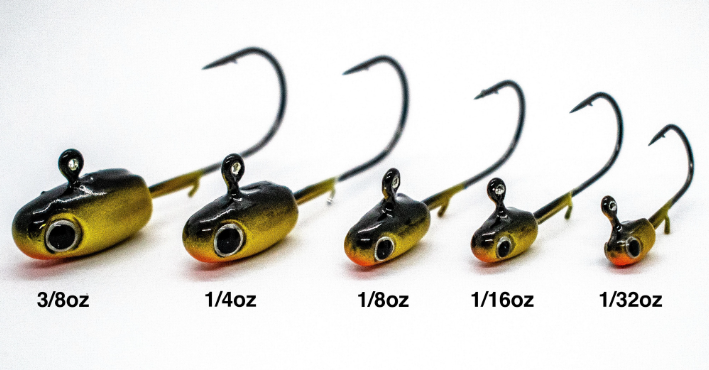
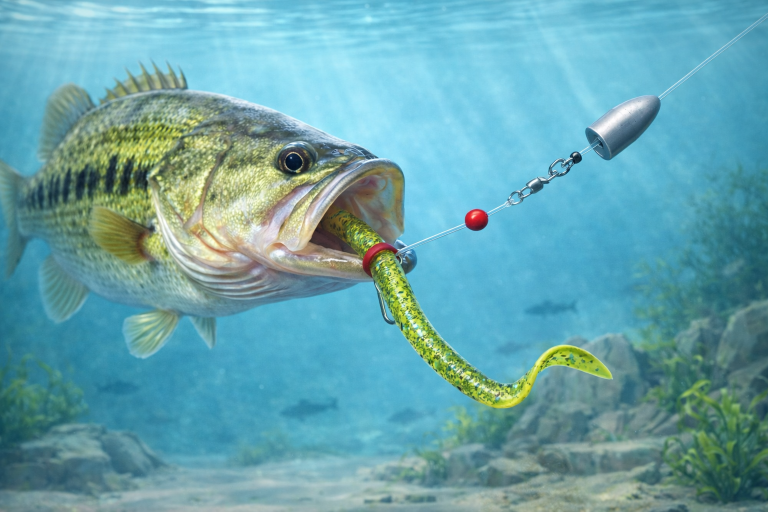
Soft Plastic Rigging (Jig Head Setup)
Soft plastics must be rigged correctly to swim naturally.
Jig Head Straight Rigging
Steps:
- Align the jig hook with the bait.
- Insert the hook through the nose.
- Push the hook through the body.
- Bring the hook out at the correct point.
- Slide the bait snug to the jig head.
If the bait is crooked, it may spin and twist the fishing line.
Fishing Knot Comparison Table
| Knot | Type | Strength | Difficulty | Best Use |
|---|---|---|---|---|
| Improved Clinch | Terminal | Strong | Easy | Small lures |
| Uni Knot | Terminal | Very strong | Easy | General use |
| Palomar Knot | Terminal | Extremely strong | Easy | Braided line |
| San Diego Jam | Terminal | Very strong | Moderate | Heavy lines |
| Double Uni | Leader | Strong | Moderate | Braid to leader |
| Blood Knot | Leader | Strong | Moderate | Similar lines |
| FG Knot | Leader | Extremely strong | Advanced | Braid leaders |
| Albright Knot | Leader | Strong | Moderate | Different lines |
| Rapala Knot | Loop | Strong | Moderate | Hard baits |
| Non-Slip Loop | Loop | Strong | Moderate | Lure action |
Common Knot-Tying Mistakes
Even experienced anglers sometimes lose fish due to poor knot tying.
Not wetting the knot
Dry line can cause friction and weaken the knot.
Tightening too quickly
Always tighten slowly and evenly.
Using the wrong knot for braid
Some knots slip with braided lines.
Crooked lure rigging
Soft plastics must be perfectly straight.
Pro Tips From Experienced Anglers
Experienced anglers often follow a few simple rules when tying fishing knots.
Practice a small number of knots
You only need 5–7 reliable knots to cover most fishing situations.
Test every knot
Pull on the knot before casting.
Trim tag ends carefully
Leave about 2–3 mm to prevent slipping.
Retie often
After catching fish or hitting rocks, retie your knot.
Final Thoughts
Learning how to tie a fishing lure properly is one of the most valuable skills in fishing.
Instead of memorizing dozens of complicated knots, focus on mastering a core group of essential knots, such as:
- Uni Knot
- Palomar Knot
- Improved Clinch Knot
- Double Uni Knot
- FG Knot
Once these knots become second nature, you will spend less time fixing your tackle and more time catching fish.
Strong knots create strong connections between angler, line, lure, and fish.
And in fishing, that connection makes all the difference.