Bluegill Fishing Techniques: How to Catch Bluegill in Lakes and Ponds
If there’s one fish that almost every angler remembers catching first, it’s probably a bluegill. Small ponds, warm summer evenings, a bobber twitching on the surface—that’s where a lot of fishing stories begin. But here’s the thing: even though bluegill are often seen as “beginner fish,” there’s a lot more to catching them consistently than simply tossing out a worm.
After years of fishing ponds, lakes, and small rivers across North America and Europe, I’ve learned that bluegill can be surprisingly clever. When you find the right spot and present the right bait, though, the action can be nonstop.
In this guide, I’ll walk through practical bluegill fishing techniques, from understanding their behavior to choosing the best gear and bait. Whether you’re fishing from a dock, a boat, or the shoreline, these tips will help you learn how to catch bluegill more consistently.
1. Behavior & Environment of Bluegill
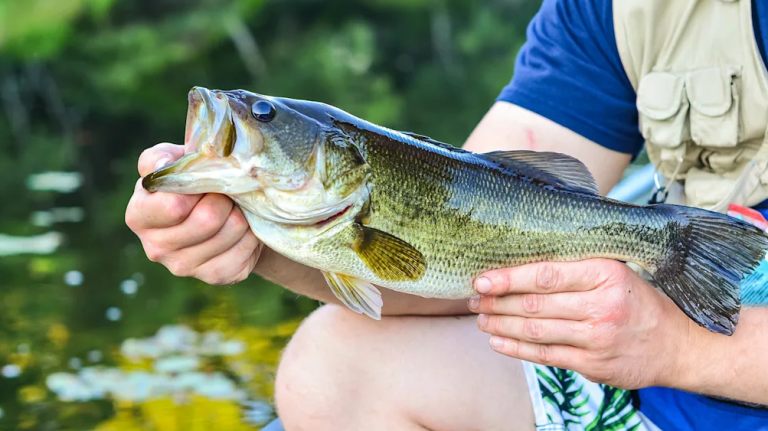
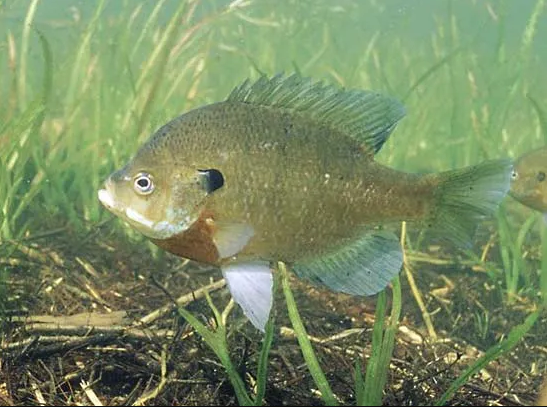
Bluegill are one of the most common freshwater fish in North America, but they’ve also been introduced to waters in parts of Europe and other regions. They belong to the sunfish family and are known for their round shape, aggressive feeding habits, and willingness to bite small baits.
Where Bluegill Live
Bluegill prefer calm freshwater environments such as:
- Ponds
- Lakes
- Slow rivers
- Reservoirs
- Backwater areas
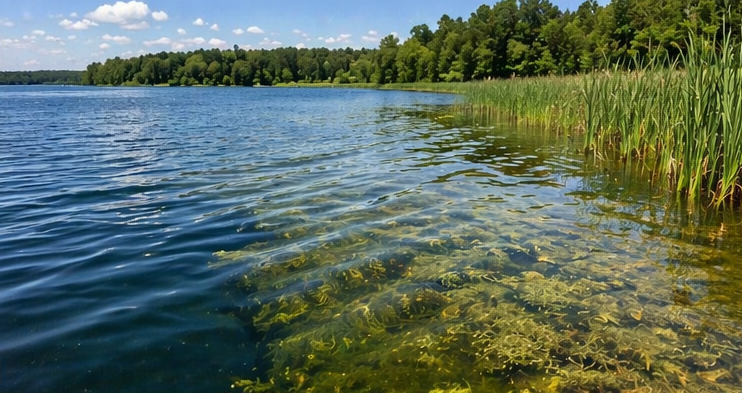
They’re almost always found near structure and cover, which provides protection from predators and easy access to food. Docks, weed beds, submerged logs, and vegetation are classic bluegill hotspots.
Bluegill feed heavily on small aquatic creatures including:
- Insects
- Larvae
- Small minnows
- Fish eggs
- Tiny crustaceans
Because their mouths are relatively small, they tend to prefer small prey items.
Schooling Behavior
One thing you’ll quickly notice when fishing for bluegill is that they school together. If you catch one fish, there’s a good chance several more are nearby. Finding that active group is often the difference between a slow day and a fast-paced one.
2. Best Fishing Techniques to Catch Bluegill
Bluegill can be caught with several different techniques. The key is presenting small baits slowly and naturally.
Bobber and Worm
If there’s a classic method for bluegill, it’s the bobber and worm rig.
This simple setup has been catching bluegill for generations:
- Small hook
- Split shot weight
- Small bobber
- Piece of worm or nightcrawler
Cast near cover and let the bait hang beneath the float. Bluegill usually prefer slow or nearly motionless bait presentations.
Watch the bobber carefully. Sometimes it dips slowly, other times it shoots sideways.
Either way, it’s one of the most fun ways to fish.
Jig Fishing
Small jigs are one of my personal favorite ways to target bluegill.
A 1/32-ounce jig with a small plastic grub can catch fish almost anywhere. In spring and summer especially, these tiny lures can produce steady action.
Fish them with a slow retrieve or let them sink near structure before gently twitching them.
Fly Fishing for Bluegill
Fly fishing for bluegill is incredibly fun and a great way to learn fly casting.
Small surface flies or poppers imitate insects that fall into the water. Bluegill often attack them aggressively, creating exciting surface strikes.
Because bluegill have small mouths, it’s important to use smaller hooks and play the fish gently when landing them.
Casting Small Lures
Bluegill will also strike tiny artificial lures, especially when they’re actively feeding.
Good lure options include:
- Tiny spinners
- Small crankbaits
- Curly tail grubs
- Mini spoons
Lures that imitate insects or small baitfish tend to work best.
3. Recommended Gear, Lures & Bait Choices
Bluegill fishing doesn’t require expensive gear, but the right setup makes a big difference.
Rod and Reel
Most anglers use light tackle when fishing for bluegill:
- Light or ultralight spinning rod
- Small spinning reel
- 4–6 lb test line
This lighter gear helps detect subtle bites and makes fighting fish more enjoyable.
Best Live Bait
Live bait is extremely effective for bluegill.
Popular choices include:
- Worms
- Crickets
- Mealworms
- Waxworms
- Small minnows
Crickets and worms are especially productive during warm months.
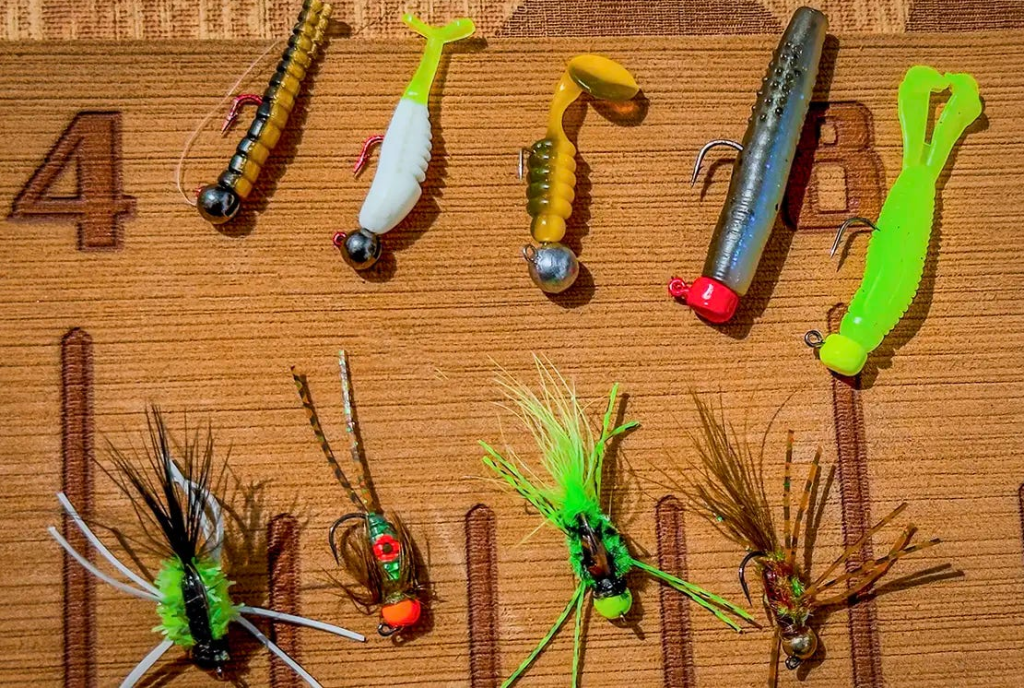
Artificial Lures
Artificial lures also work very well for bluegill.
Some favorites include:
- Small jigs
- Inline spinners
- Micro crankbaits
- Tiny spoons
Spinners in particular can attract bluegill with their flashing blades and vibration.
4. Seasonal Tips & Location Strategies
Understanding seasonal patterns helps anglers learn how to catch bluegill consistently throughout the year.
Spring
Spring is one of the best seasons for bluegill fishing.
As water warms, bluegill move from deeper areas into shallower water to feed and prepare for spawning.
Look for them around:
- Docks
- Weed beds
- Fallen trees
- Shallow bays
Small jigs or worms under a bobber work great during this time.
Summer
During early summer, bluegill spawn in colonies of circular nests in shallow water.
This is an excellent time to catch large numbers of fish.
Later in summer, they often move into deeper water or shaded areas when temperatures rise.
Fall
In fall, bluegill begin feeding heavily to prepare for winter.
They often school together in deeper water near structure.
Slow presentations with jigs or live bait can be very productive.
Winter
Bluegill fishing doesn’t stop in winter.
Ice anglers often catch them using tiny jigs tipped with worms or maggots in deeper water where fish gather during cold months.
5. Common Mistakes & Advanced Tips
Even though bluegill are often easy to catch, anglers still make mistakes that reduce their success.
Using Hooks That Are Too Large
Bluegill have small mouths.
Using large hooks often leads to missed bites. Size 6–10 hooks usually work best.
Fishing Too Fast
Bluegill prefer slow-moving bait.
If you’re retrieving too quickly, the fish may ignore your lure.
Ignoring Structure
Bluegill love cover.
Always check areas like:
- Docks
- Weed beds
- Submerged logs
- Overhanging trees
These spots provide food and protection.
Advanced Tip: Downsize Your Bait
When fishing pressure is high or fish are cautious, switching to smaller lures or bait can dramatically increase bites.
Sometimes a tiny jig or a small piece of worm is all it takes.
Final Thoughts
Bluegill may not be the largest fish in freshwater, but they’re definitely among the most fun to catch. They fight hard for their size, bite readily when conditions are right, and can be found in countless ponds and lakes.
Learning a few reliable bluegill fishing techniques—like fishing near structure, using light tackle, and presenting bait slowly—can turn any fishing trip into a productive day.
And sometimes, the simple joy of watching a bobber disappear beneath the water is exactly what fishing is all about.
Bluegill Fishing FAQ
What are the best bluegill fishing techniques for beginners?
Using a worm or cricket under a small bobber is one of the easiest and most effective methods for beginners.
What bait works best for bluegill?
Worms, crickets, mealworms, and waxworms are among the most productive live baits for bluegill.
Where should I fish for bluegill?
Look for areas with cover such as docks, weed beds, fallen trees, and submerged structure.
What time of day is best for bluegill fishing?
Early morning and late afternoon are often the most productive times because fish are actively feeding.
Can you catch bluegill year-round?
Yes. Bluegill can be caught throughout the year, though their location and activity level change with the seasons.