Pike Fishing Techniques: A Complete Guide to Catching Northern Pike
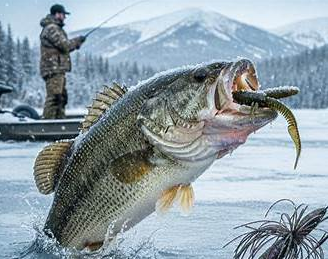
If you’ve ever had a northern pike smash a lure right beside the boat, you know the feeling. One second you’re retrieving your bait through the weeds, and the next your rod nearly jumps out of your hands. Pike are aggressive, explosive predators — the kind of fish that turn a quiet fishing trip into a heart-pounding moment.
Over the years I’ve chased pike across quiet lakes, slow rivers, and even weedy canals in northern Europe. And the truth is, once you understand pike fishing techniques, they’re one of the most exciting and consistent freshwater fish to target.
In this guide I’ll share what experience on the water has taught me: where pike live, how they hunt, what gear works best, and how seasonal patterns change the game. If you’re learning how to catch pike, this is exactly the type of knowledge that helps turn a slow day into a memorable one.
1. Behavior & Environment of Pike
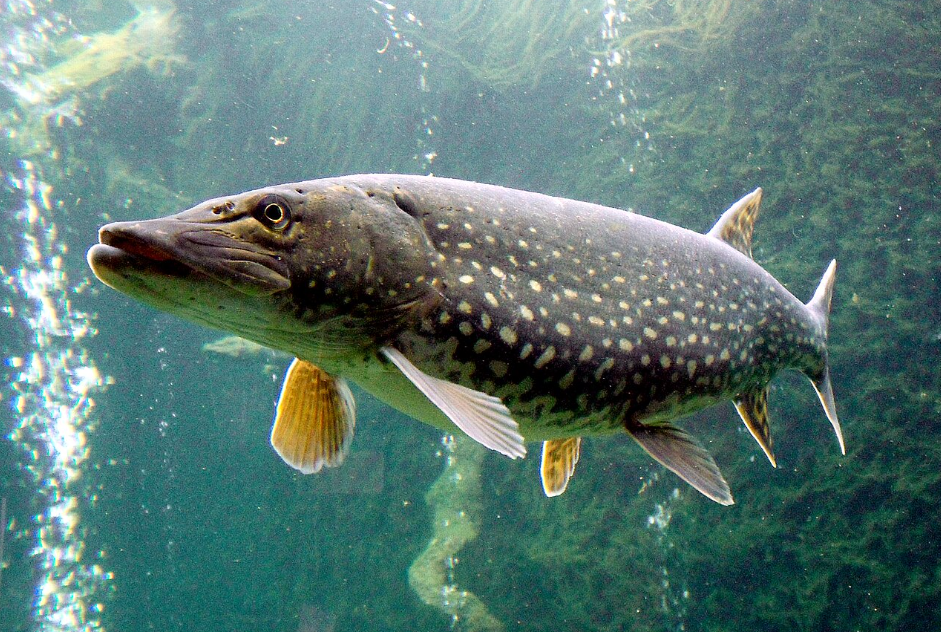
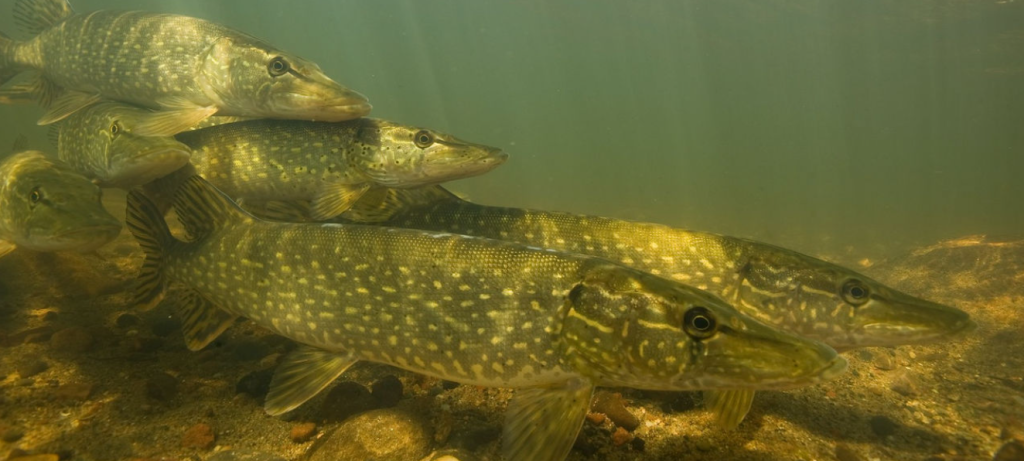
Northern pike are one of the most efficient predators in freshwater. Their long torpedo-shaped bodies, camouflage patterns, and razor-sharp teeth make them perfectly built for ambush hunting.
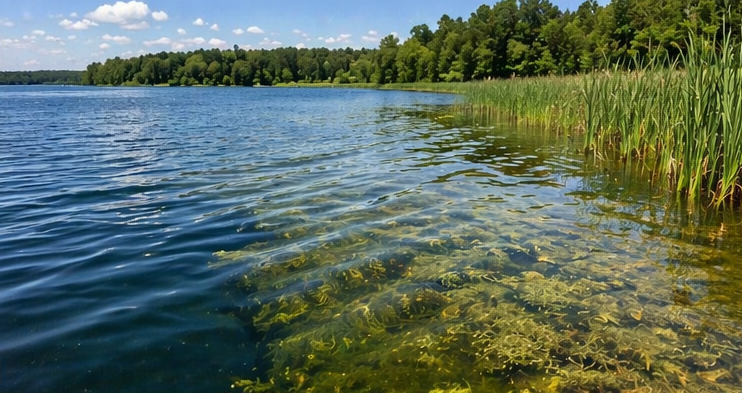
Pike typically inhabit lakes, reservoirs, slow rivers, and canals, especially where vegetation is abundant. They thrive in cool freshwater environments with plenty of submerged plants and forage fish.
Ambush Predator
Pike don’t chase prey across long distances like some fish. Instead, they hide motionless in weeds or near structure and explode forward when prey comes close. They can remain perfectly still before darting forward with remarkable speed to capture fish or other prey.
Their diet is broad and aggressive:
- Small fish like perch and roach
- Frogs and crayfish
- Insects and invertebrates
- Occasionally small mammals or water birds
Pike are top predators and will eat almost anything they can swallow.
Where to Find Pike
Over time you start recognizing the places that consistently hold pike:
- Weed beds and lily pads
- Submerged logs and fallen trees
- Reed lines along shore
- Drop-offs and points
- Channel edges
In summer, pike often sit near vegetation in shallower water, while larger fish may move toward deeper, cooler areas as temperatures rise.
Learning to identify these locations is one of the most important pike fishing techniques you’ll ever master.
2. Best Fishing Techniques to Catch Pike
Pike are aggressive, but they’re also strategic hunters. Choosing the right technique often depends on water depth, temperature, and whether the fish are actively feeding.
Casting Artificial Lures
Casting lures along weed edges or shallow structure is one of the most reliable ways to catch pike.
The trick is to keep the lure moving in a way that imitates injured prey. Pike are triggered by erratic movement, so a stop-and-go retrieve can often provoke strikes.
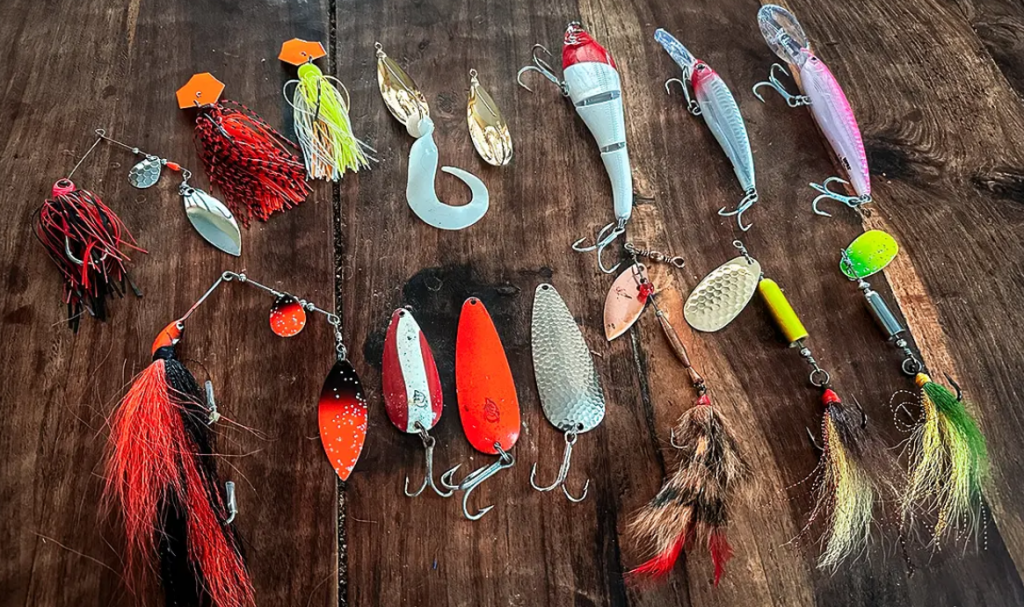
Some of the most productive lure styles include:
- Minnow-shaped plugs
- Spinnerbaits
- Spoons
- Soft plastic swimbaits
Classic spoons and inline spinners have been catching pike for decades and remain staples in many anglers’ tackle boxes.
Jigging
Jigging works well when pike are holding deeper or near drop-offs.
Drop the jig toward the bottom and lift the rod slowly before letting the lure fall again. That falling motion often triggers bites because it resembles a wounded fish.
Jigs tipped with soft plastics or baitfish imitations are excellent choices.
Trolling
If you’re fishing a large lake and need to cover water, trolling is incredibly effective.
Many experienced anglers follow a “troll first, cast second” approach: troll until you locate fish, then switch to casting lures around that area.
Trolling works especially well along:
- Drop-offs
- Weed edges
- Underwater humps
- Shoreline transitions
Live Bait Fishing
Sometimes natural bait is the best option, particularly when fish are less aggressive.
Common pike baits include:
- Live suckers
- Large minnows
- Dead bait fish
Because pike often grab prey in the middle, anglers sometimes use a “stinger hook” to improve hook-up rates when using larger bait.
3. Recommended Gear, Lures & Bait Choices
Pike can grow very large and fight hard, so you’ll want gear that can handle their power — and their teeth.
Rods & Reels
A typical pike setup includes:
- Medium-heavy or heavy spinning rod
- Strong spinning or baitcasting reel
- 20–40 lb braided line
The heavier line helps when fishing around weeds and structure.
Most pike anglers also use steel leaders because pike teeth can easily cut normal fishing line.
Best Pike Lures
Some of the most productive lures include:
- Large spoons
- Bucktail spinners
- Soft plastic swimbaits
- Topwater plugs
- Crankbaits
Bright colors like white, chartreuse, or yellow are popular because they resemble baitfish and remain visible in murky water.
Topwater lures can produce some of the most exciting strikes — especially during warm months when pike patrol shallow water.
Live Bait
When fish are reluctant to strike artificial lures, live bait can be extremely effective.
Large baitfish such as suckers or roach are commonly used because pike are capable of swallowing prey nearly half their own length.
4. Seasonal Tips & Location Strategies
Understanding seasonal patterns is critical when learning how to catch pike consistently.
Spring
After ice-out, pike move into shallow areas to spawn.
Focus on:
- Warm shallow bays
- Flooded vegetation
- Weed beds near shore
Shallow water warms faster, attracting both baitfish and hungry pike.
Slow presentations with spoons or soft plastics work well during this time.
Summer
Summer fishing often means targeting weed edges and deeper structure.
Large pike frequently move to deeper, cooler water during the hottest months.
Fish early in the morning or late in the evening when pike become more active.
Fall
Fall is prime time for big pike.
As water cools, baitfish schools become more active and pike feed heavily in preparation for winter.
Large swimbaits, jerkbaits, and crankbaits are excellent choices during this season.
Winter
In colder months pike move deeper and slow down.
Slow presentations such as jigging or dead bait rigs can still produce fish even when temperatures drop.
5. Common Mistakes & Advanced Tips
Even experienced anglers make mistakes when fishing for pike. Avoiding these can greatly improve your success.
Fishing Too Fast
Pike can be aggressive, but sometimes slower retrieves work better.
Let your lure pause occasionally — many strikes occur during the pause.
Ignoring Vegetation
If there’s one thing pike love, it’s weeds.
Weed beds provide both hiding spots and hunting grounds, making them prime fishing locations.
Using Light Leaders
Pike teeth are extremely sharp. Using a wire leader dramatically reduces the chance of losing fish.
Advanced Tip: Work the Edge
One trick that consistently produces fish is casting parallel to weed lines rather than straight into them. This keeps your lure in the strike zone longer, giving pike more chances to attack.
Final Thoughts
Few freshwater fish are as exciting as the northern pike. Their aggressive strikes, explosive runs, and willingness to chase big lures make them a favorite among anglers around the world.
Mastering pike fishing techniques takes time, patience, and a willingness to experiment. But once you start understanding where pike hunt and how they behave, catching them becomes far more predictable.
And when that big green predator explodes out of the weeds to smash your lure — you’ll understand exactly why so many anglers become obsessed with pike fishing.
Pike Fishing FAQ
What are the best pike fishing techniques for beginners?
Casting spoons, spinners, or soft plastic swimbaits along weed beds is one of the easiest and most effective methods.
What bait works best for northern pike?
Large minnows or suckers are popular live bait choices because pike readily attack large prey.
What time of day is best for pike fishing?
Early morning and evening are often most productive because pike become more active when light levels are lower.
Where should I fish for pike?
Look for vegetation, reed beds, weed edges, and submerged structure where pike can hide and ambush prey.
What size lure should I use for pike?
Pike are aggressive predators, so larger lures often work well — especially those that imitate baitfish like perch or roach.