Striper Fishing Techniques: Tips for Catching More Striped Bass
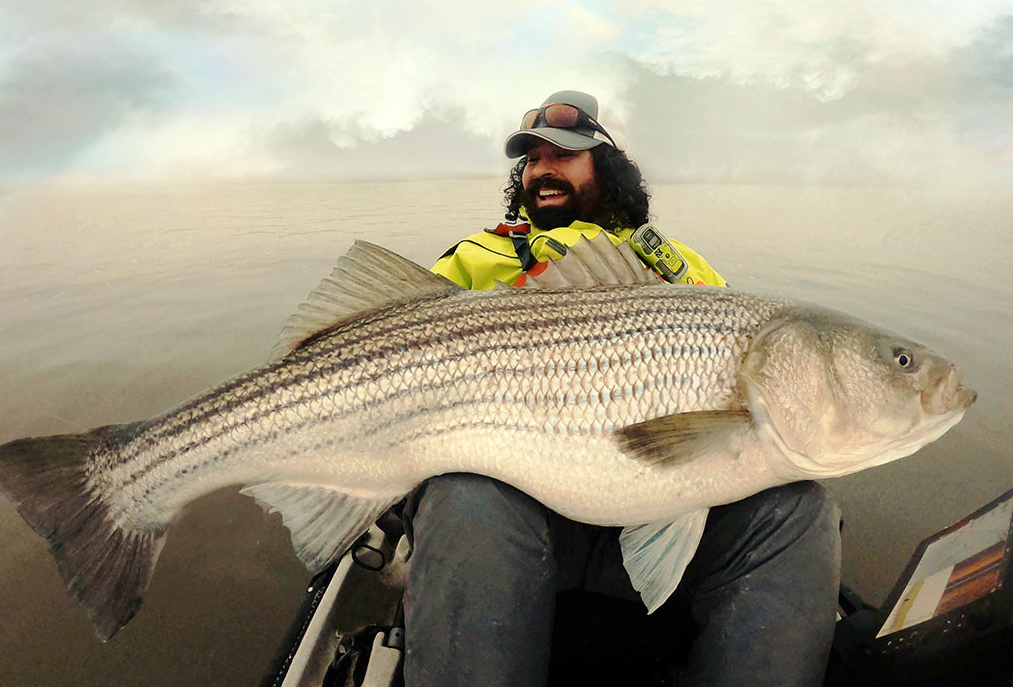
Striped bass—better known as stripers—are one of those fish that keep anglers coming back. They fight hard, they grow big, and they’re found in a wide variety of waters from coastal surf to inland reservoirs and rivers. I’ve spent many mornings chasing stripers along rocky shorelines and tidal flats, and one thing I’ve learned is that understanding their behavior and adapting your presentation is the real secret to success.
In this guide I’ll walk through the striper fishing techniques that consistently work, the gear and bait I rely on, and the seasonal patterns that help you figure out how to catch striper more reliably. Think of it as advice from someone who’s spent plenty of time on the water figuring things out the hard way.
1. Behavior & Environment of Striper
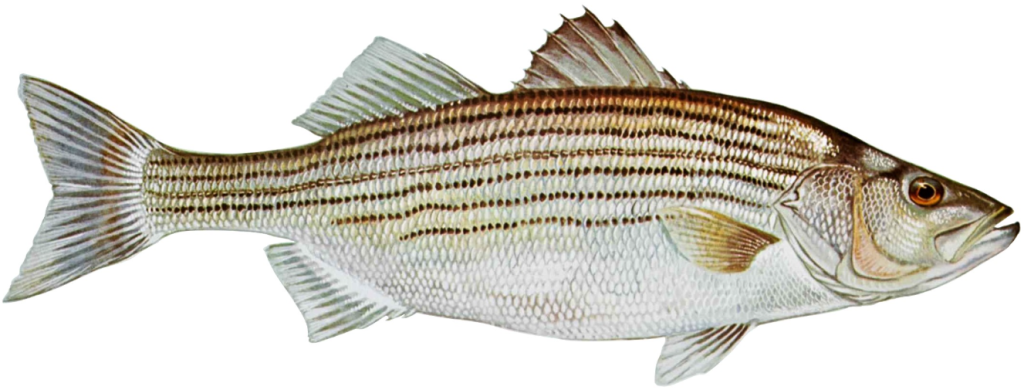
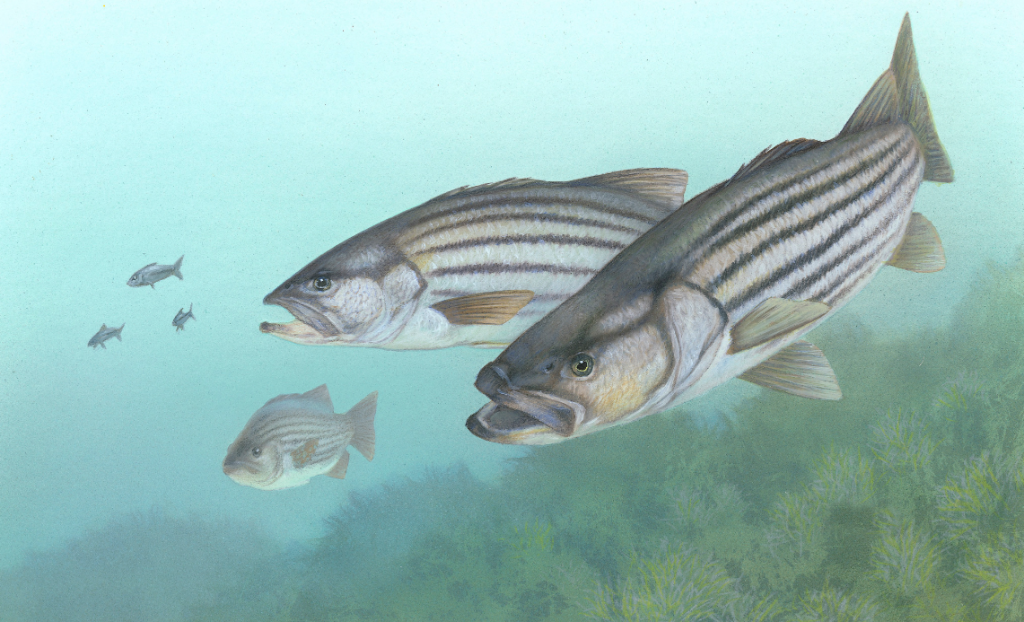
Striped bass are powerful predators that feed primarily on baitfish such as shad, herring, menhaden, and anchovies. Because they depend heavily on these baitfish schools, stripers are almost always found near areas where bait gathers.
They’re incredibly adaptable and can live in:
- Saltwater coastlines
- Estuaries and tidal rivers
- Large freshwater reservoirs
- Deep river channels
In spring and fall especially, stripers often move into inshore waters, tidal rivers, and back bays where baitfish are abundant and water temperatures are favorable.
Where Stripers Like to Hold
Through years of fishing, I’ve found stripers consistently relating to a few types of structure:
- Channel edges and drop-offs
- Rocky points and reefs
- Bridge pilings and docks
- Current seams in rivers
- Shallow flats during feeding periods
Stripers are opportunistic hunters. They frequently move between shallow and deep water depending on light levels and bait movement. Early morning and dusk are particularly productive times because these fish prefer feeding in low-light conditions.
If you learn to find the bait, chances are you’ll find the stripers nearby.
2. Best Fishing Techniques to Catch Striper
There are many ways to target striped bass, but several techniques consistently produce fish.
Jigging
Jigging is one of the most versatile striper fishing techniques, especially in deeper water.
Drop a jig to the bottom and lift the rod tip 12–16 inches before letting the lure fall again. The sudden rise and fluttering drop imitate injured baitfish and often trigger aggressive strikes.
This technique works well around:
- Bridge pilings
- Deep river channels
- Offshore reefs
- Submerged structure
Trolling
When fishing from a boat in large lakes or coastal areas, trolling is incredibly effective. By slowly pulling lures or bait behind the boat, you can cover large areas until you locate fish.
Common trolling setups include:
- Crankbaits
- Umbrella rigs
- Spoons
- Live bait rigs
Striped bass respond well to trolling because it imitates the natural movement of baitfish schools.
Live Bait Fishing
Sometimes the simplest methods are the most productive.
Stripers are especially attracted to natural bait such as:
- Menhaden (bunker)
- Eels
- Herring
- Bloodworms
- Sandworms
Menhaden is widely considered one of the most effective bait choices for striped bass.
Fishing live bait on a fish-finder rig lets the fish take the bait naturally before you set the hook.
Surfcasting
If you’re fishing from shore, surfcasting is a classic method.
Cast large plugs or metal lures into the surf and retrieve them slowly through the current. Stripers often patrol shorelines, especially during tidal changes when baitfish are pushed closer to shore.
Topwater plugs, poppers, and pencil lures can create explosive strikes during these feeding periods.
Casting Soft Plastics
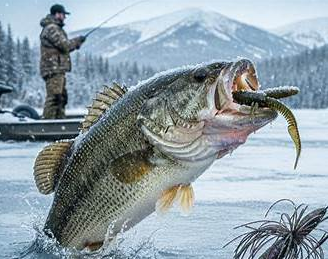
Soft plastic swimbaits are excellent at imitating baitfish and can be fished at nearly any depth in the water column.
I often cast these along drop-offs or around schools of baitfish. A steady retrieve with occasional pauses gives the lure a wounded-fish appearance that stripers find irresistible.
3. Recommended Gear, Lures & Bait Choices
Striped bass can grow quite large, so your gear needs enough strength to handle powerful runs.
Rods & Reels
For most striper fishing situations I recommend:
- Medium-heavy spinning or casting rod
- Strong reel with smooth drag
- 20–30 lb braided line
Braided line gives better sensitivity and helps detect subtle bites when fishing deep.
Best Lures for Stripers
Some of the most reliable striper lures include:
- Soft plastic swimbaits
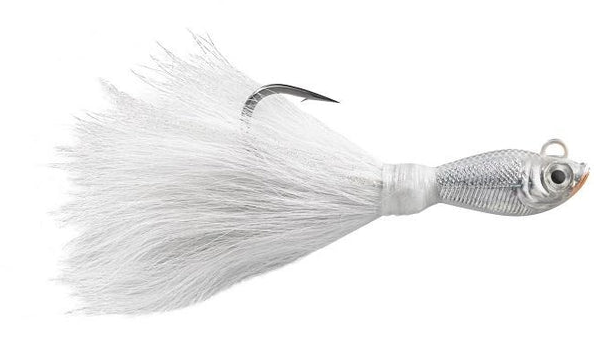
- Bucktail jigs
- Metal spoons
- Surface poppers
- Crankbaits and jerkbaits
Spoons and bucktail jigs are especially effective because they imitate baitfish and can be worked at various depths.
When fishing deeper water, heavy spoons and vertical jigs are excellent for reaching the bottom quickly.
Live Bait Options
When fish are being picky, live bait often outperforms artificial lures.
Great options include:
- Menhaden (bunker)
- Bloodworms
- Eels
- Anchovies
Present these baits naturally near structure or current seams for best results.
4. Seasonal Tips & Location Strategies
Striped bass behavior changes throughout the year, so adapting your strategy is important.
Spring
Spring is one of the best times to fish for stripers. As water temperatures rise, baitfish move into shallower areas and stripers follow.
Focus on:
- River mouths
- Tidal creeks
- Shallow marshes
Shallow flats can produce incredible action during early spring runs.
Summer
During summer heat, stripers often move deeper during the day.
Look for fish around:
- Deep channels
- Offshore humps
- Bridge structure
Night fishing can be extremely productive because stripers move shallow to feed once the sun sets.
Fall
Fall is prime feeding time.
Stripers chase large schools of baitfish and can become very aggressive. Fast-moving lures such as crankbaits and swimbaits work particularly well during this season.
Winter
Winter fishing requires patience.
Stripers often gather in deeper water and may school tightly. Vertical jigging with heavy lures can trigger bites from fish holding near the bottom.
5. Common Mistakes & Advanced Tips
Even experienced anglers make mistakes when chasing striped bass. Here are a few lessons learned from years on the water.
Fishing Too Fast
Stripers often prefer slower presentations. If fish aren’t biting, try slowing down your retrieve or letting the lure sink deeper.
Ignoring Tides
In coastal areas, tides are critical. Many anglers notice the best fishing during the outgoing tide when baitfish are flushed from shallows into deeper water.
Learning to read tidal movements can dramatically improve success.
Not Matching the Bait
Stripers feed heavily on whatever baitfish are present in the area. If shad are the dominant bait, choose lures that mimic shad shape and size.
Advanced Tip: Follow the Birds
One of the simplest tricks is watching seabirds. Diving birds often indicate baitfish schools—and where baitfish gather, stripers usually aren’t far behind.
Final Thoughts
Striped bass are one of the most exciting fish an angler can target. They’re powerful, unpredictable, and capable of delivering unforgettable strikes.
Mastering striper fishing techniques takes time, observation, and plenty of trial and error. But once you learn how to read the water, match the bait, and adjust your approach with the seasons, you’ll find that catching stripers becomes far more consistent.
And honestly, that moment when your rod doubles over and a big striper starts peeling line—that’s why we keep coming back.
Striper Fishing FAQ
What are the best striper fishing techniques for beginners?
Casting soft plastic swimbaits or jigging with bucktail jigs are two of the easiest techniques for beginners to learn.
What bait works best for striped bass?
Menhaden (bunker), eels, bloodworms, and herring are among the most effective live bait options for striped bass.
What time of day is best for striper fishing?
Early morning, dusk, and nighttime are often the most productive times because stripers feed actively in low-light conditions.
Can you catch striped bass from shore?
Yes. Surfcasting from beaches, rocky shorelines, or river banks can be very productive, especially during tidal movements.
What size lures should I use for stripers?
Lures between 5–8 inches are commonly used because they mimic the size of baitfish that striped bass typically hunt.