Bass Fishing Techniques: How to Catch Bass Successfully
Bass fishing has been part of my life for as long as I can remember. I’ve spent early mornings on quiet farm ponds, windy afternoons casting along rocky shorelines, and countless evenings working a lure through lily pads while the sun dipped below the trees. One thing I’ve learned over the years is that bass fishing isn’t about luck—it’s about understanding the fish, reading the water, and choosing the right presentation.
If you’re learning Bass fishing techniques or simply trying to improve your success on the water, this guide will walk through what actually works in real-world fishing situations. From understanding bass behavior to picking the right gear and avoiding common mistakes, these tips should help you land more fish and enjoy the process even more.
Behavior & Environment of Bass
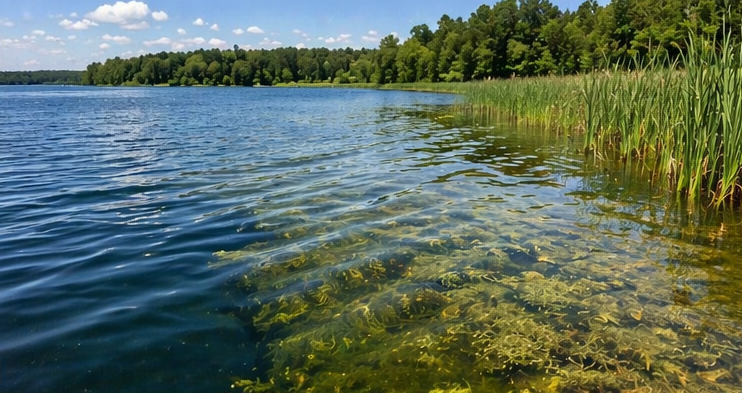
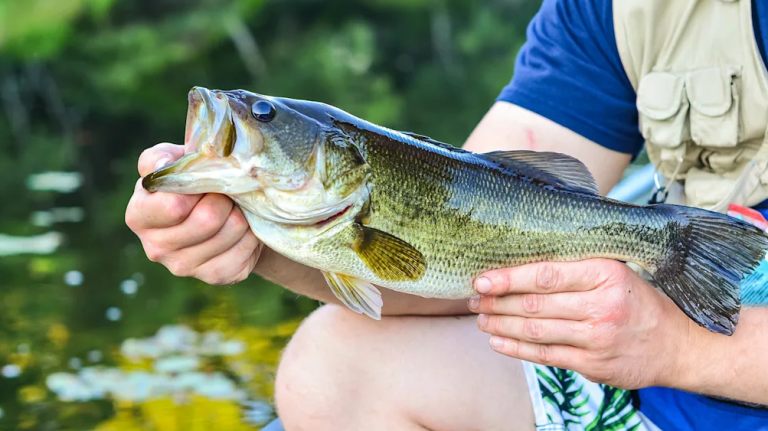
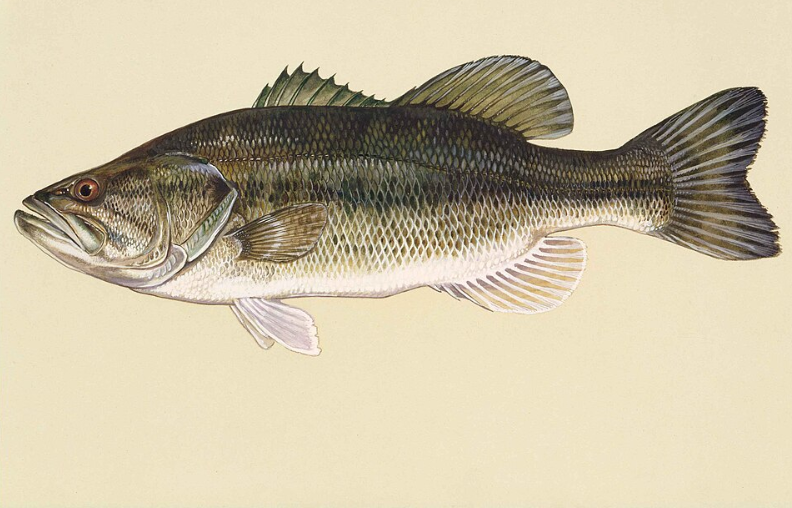
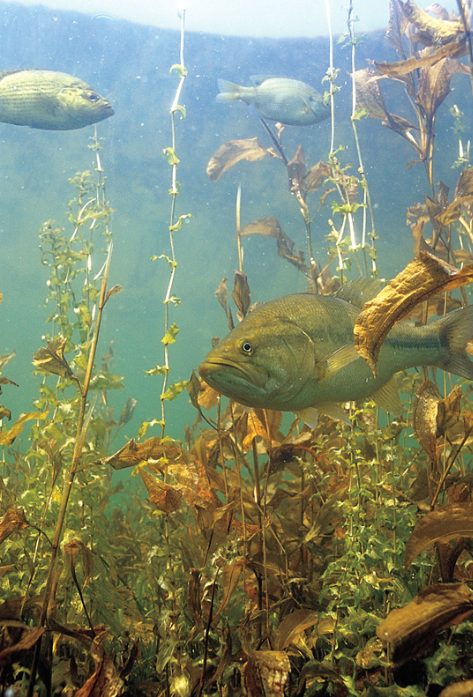
To really understand how to catch Bass, you need to think like a bass. These fish are predators, and they’re incredibly good at ambushing prey. Largemouth bass in particular prefer environments where they can hide and strike quickly—places like weed beds, fallen trees, docks, and submerged brush.
In most lakes and ponds, bass position themselves near structure or cover because it gives them two advantages: protection from predators and easy access to food drifting or swimming by.
Where Bass Usually Hold
Over the years, I’ve learned to check a few key spots first whenever I arrive at a lake:
- Edges of weed beds
- Fallen trees or brush piles
- Dock pilings
- Rock points and drop-offs
- Shaded shoreline areas
- Lily pads and grass lines
Bass will often sit just inside the cover and wait for prey to pass. When something looks like an injured baitfish or crawfish, they strike hard and fast.
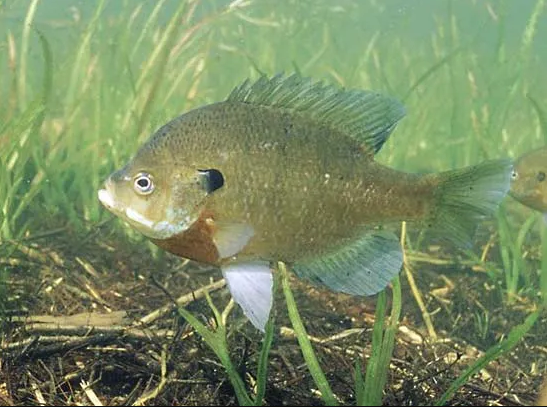
Their diet includes baitfish like shad and bluegill, as well as crayfish, frogs, and insects, which is why so many bass lures imitate these creatures.
Learning to recognize these feeding areas is one of the most important Bass fishing techniques you can master.
Best Fishing Techniques to Catch Bass
Bass can be caught with many different methods, but a few techniques consistently produce fish for anglers of all experience levels.
Casting and Retrieving Artificial Lures
One of the most effective ways to catch bass is simply casting a lure near structure and retrieving it in a way that mimics prey.
Bass often strike as a lure moves past them because it triggers a reaction. Covering water with repeated casts helps you find active fish quickly.
Crankbait Fishing
Crankbaits are fantastic for searching large areas of water. They imitate small baitfish and create vibration that bass can sense.
I often use crankbaits when fishing:
- Points
- Drop-offs
- Rocky shorelines
- Open water near structure
They’re particularly useful because they allow you to cover water quickly and locate where bass are holding.
Spinnerbait Fishing
Spinnerbaits are one of the easiest lures to learn when starting out. You simply cast and retrieve while the spinning blade flashes and vibrates through the water.
These lures work extremely well around:
- Wood cover
- Grass edges
- Murky water
- Shallow banks
The vibration makes it easy for bass to find the lure even when visibility is poor.
Soft Plastic Techniques
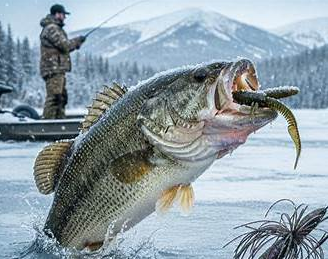
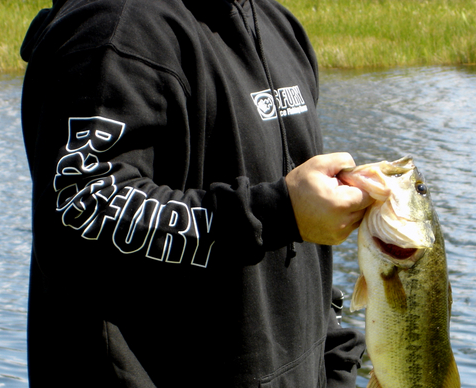
Soft plastics are probably responsible for more bass catches than any other lure category.
Some popular rigs include:
- Texas rig worms
- Wacky-rigged stick baits
- Creature baits
- Drop-shot rigs
A Texas-rigged soft plastic worm is especially effective and easy to learn, making it a favorite among beginners.
Topwater Fishing
Few things in fishing are as exciting as a bass exploding on a surface lure.
Topwater baits such as frogs, poppers, and walking baits are perfect when bass are feeding near the surface, especially around weeds or shallow cover.
Early morning and evening are prime times for topwater action.
Recommended Gear, Lures, and Bait Choices
You don’t need expensive equipment to fish for bass, but having balanced gear makes fishing much easier.
Rod and Reel Setup
Most bass anglers use:
- Medium or medium-heavy rods
- Spinning or baitcasting reels
Spinning gear is easier for beginners, while baitcasting setups give experienced anglers better control when casting heavier lures.
Fishing Line
A typical bass setup might include:
- 10–12 lb monofilament
- Fluorocarbon for clear water
- Braided line for heavy vegetation
Different line types perform better depending on water clarity and cover.
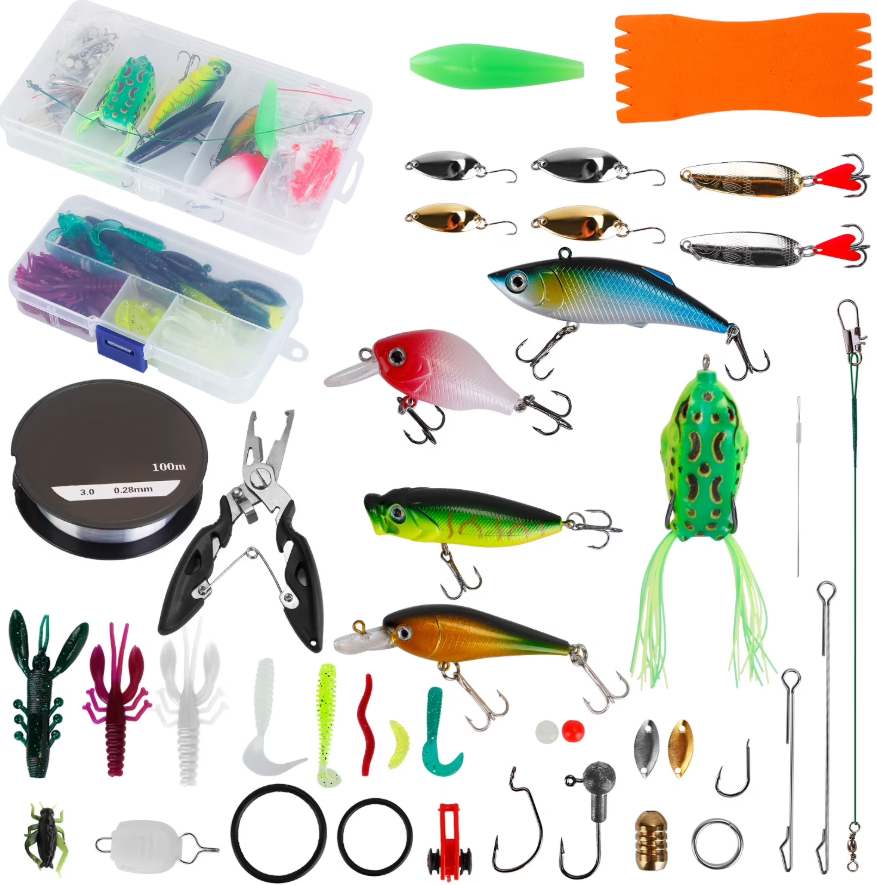
Best Bass Lures
Your tackle box doesn’t need hundreds of lures. A handful of reliable choices will catch bass almost anywhere.
Here are some of the most productive types:
- Soft plastic worms
- Crankbaits
- Spinnerbaits
- Jigs
- Topwater frogs
- Swimbaits
Soft plastics catch bass year-round and are one of the most reliable lure options.
Natural Bait
Artificial lures dominate bass fishing today, but live bait still works very well.
Good options include:
- Minnows
- Crayfish
- Shiners
- Worms
Bass rarely strike dead bait, so live bait that moves naturally tends to perform best.
Seasonal Tips and Location Strategies
One of the biggest factors in how to catch Bass consistently is understanding seasonal patterns.
Spring
Spring is prime time for bass fishing.
As water warms, bass move into shallow water to spawn. During this time they become aggressive and protective of nests.
Good lures for spring include:
- Spinnerbaits
- Jerkbaits
- Jigs
- Soft plastics
Spring colors often imitate crawfish or shad.
Summer
Summer bass often move deeper during the heat of the day.
Look for them:
- Under docks
- Near thick vegetation
- Along deeper drop-offs
Early morning and late evening are often the best times to fish when temperatures are high.
Fall
Fall bass feed aggressively to prepare for winter.
They often chase baitfish schools, making moving lures like crankbaits and swimbaits very effective.
Winter
Winter bass slow down significantly.
Fishing deep water with slow presentations like jigs or soft plastics is usually the most productive approach.
Common Mistakes and Advanced Tips
Even experienced anglers make mistakes when targeting bass. Here are a few lessons learned from many hours on the water.
Fishing Too Fast
One of the most common mistakes is retrieving lures too quickly.
When bass aren’t biting, slow down your presentation and give the fish more time to react.
Ignoring Structure
Bass love structure. Casting randomly into open water rarely produces consistent results.
Focus your casts around cover like:
- Weed beds
- Docks
- Fallen trees
- Rocks
Using Only One Lure
If bass aren’t responding, switch things up.
Change:
- Lure color
- Depth
- Retrieval speed
- Presentation style
Sometimes a small adjustment makes a huge difference.
Advanced Bass Fishing Tips
Some habits that consistently improve success include:
- Make quiet approaches near shallow cover
- Watch for baitfish activity
- Pay attention to wind direction
- Practice accurate casting
Most importantly, stay patient. Bass fishing often rewards anglers who experiment and adapt.
Bass Fishing FAQ
What are the best Bass fishing techniques for beginners?
Casting spinnerbaits, soft plastic worms, and crankbaits are among the easiest techniques to learn and consistently catch fish.
Where should I look for bass in a lake?
Bass usually hold near structure such as weed beds, docks, rocks, fallen trees, and drop-offs where they can ambush prey.
What time of day is best for bass fishing?
Early morning and late evening often produce the most bites because bass are more active during cooler temperatures.
What bait catches the biggest bass?
Large soft plastics, jigs, and live bait such as shiners or minnows are excellent options for targeting bigger bass.
Do bass prefer lures or live bait?
Both work well. Artificial lures allow you to cover more water, while live bait can be extremely effective when fish are less aggressive.