Best Fishing Line for Beginners: Complete Lure Fishing Guide
Choosing the best fishing line for beginners is one of the most essential decisions you’ll make when building your first lure fishing gear guide and an effective beginner fishing setup. The line you pick affects casting distance, hook setting, sensitivity to bites, and how well your lures present in the water.
For new anglers, the world of fishing line can be confusing — there are monofilament, fluorocarbon, braided lines, and even hybrid options like copolymer. Each has strengths and weaknesses, and knowing where to use them will improve your success on the water.
In this guide, we’ll break down what you should look for, the key features to consider, pros and cons of different gear types, and tips to help you choose the right line for your fishing style.
What Beginners Should Look For in a Fishing Line
When starting out, simplicity and forgiveness are the most important attributes of a fishing line. A good beginner line should be:
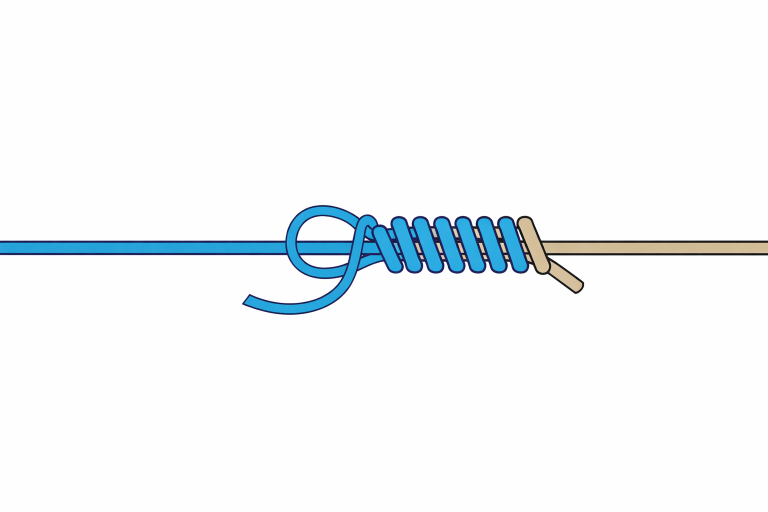
- Easy to handle and tie knots with — especially if you’re still learning knots like the Uni Knot or Palomar Knot.
- Affordable and durable so you don’t dread replacing it after a few snags.
- Versatile across common lure types like crankbaits, spinnerbaits, and soft plastics.
These factors make certain types of fishing line better than others as your first choice. Let’s explore the main line types.
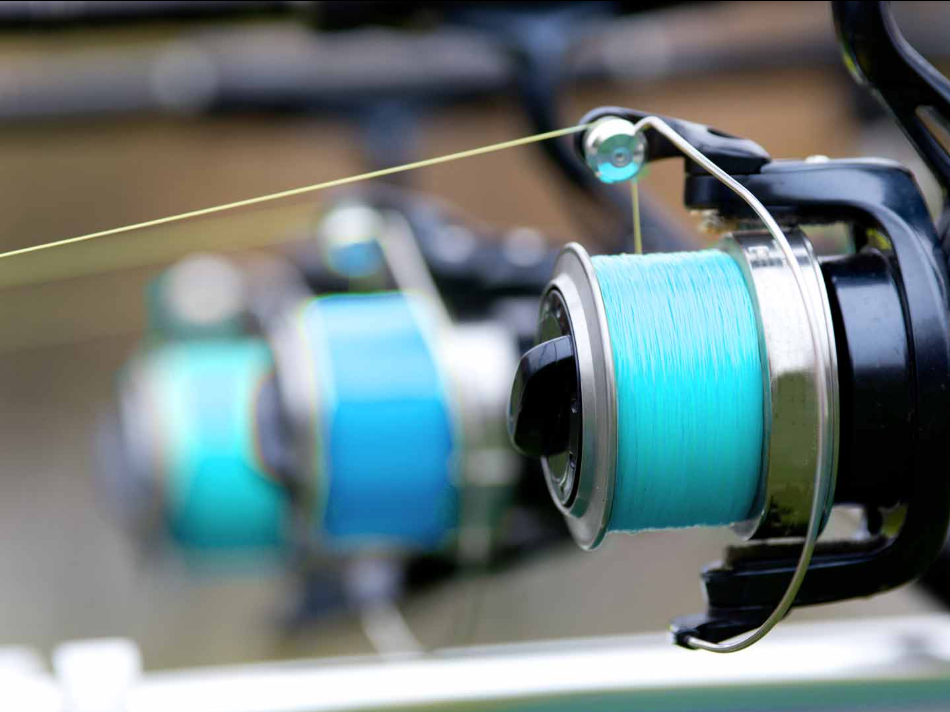
Key Features to Consider
Before diving into the types, here are the main features that matter most to new anglers:
Line Stretch
Some lines stretch to absorb shock during hard strikes. This is good for beginners, but too much stretch can reduce sensitivity.
Visibility
High visibility helps you see where the line goes, but less visibility in the water can increase bites from wary fish.
Abrasion Resistance
Lines that resist abrasion are better when fishing near rocks, wood, or structure.
Compatibility with Knots
Beginners need lines that tie solid, reliable knots without slipping. Monofilament is usually easiest for tying.
Types of Fishing Line
Below are the three main fishing line options beginners should know, along with their pros and cons.
Monofilament Line (Mono)
Best overall for beginners
Monofilament (or “mono”) is made from a single strand of nylon and is the most common and beginner‑friendly fishing line.
Pros:
- Affordable and easy to find
- Soft and easy to tie knots
- Good stretch helps with shock absorption
- Floats or suspends well — useful for topwater lures
Cons:
- Can remember its coils (“memory”) and tangle
- Less sensitive than braid or fluorocarbon
- Prone to UV damage over time
Best Uses:
Great for beginners fishing freshwater lakes or rivers, especially when using poppers, spinners, or topwater lures.
Fluorocarbon Line
Best for stealth and clear water
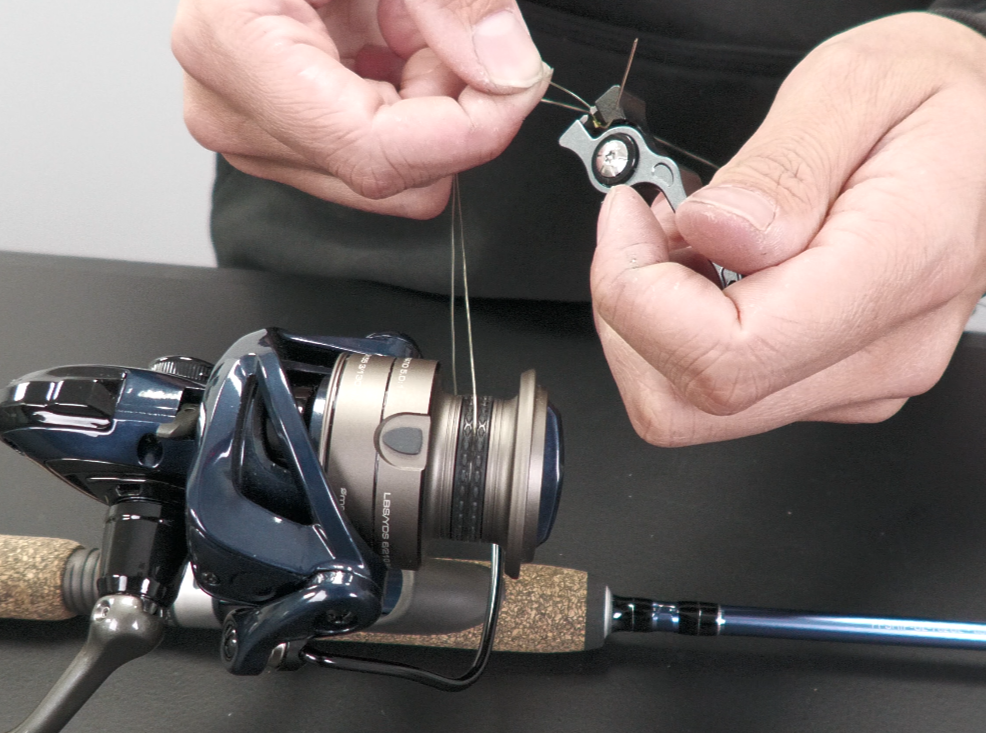
Fluorocarbon is a dense polymer with a refractive index close to water, making it nearly invisible underwater — ideal when fish are line‑shy.
Pros:
- Virtually invisible underwater
- Strong abrasion resistance
- Sinks faster — good for bottom presentations
Cons:
- Can be stiffer and trickier to manage
- Slightly harder for beginners to tie knots
- Costs more than mono
Best Uses:
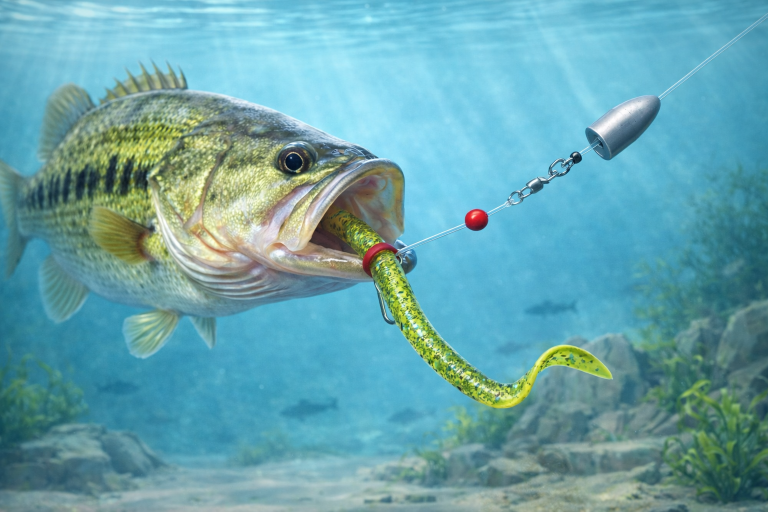
Fishing in clear water or when finesse and stealth are required, such as with drop‑shot setups or finesse soft plastics.
Braided Line
Best for strength and sensitivity
Braided line is made of multiple threads woven together, giving it high strength with a thin diameter.
Pros:
- Extremely strong for its thickness
- Sensitive — great for detecting light bites
- Excellent casting distance
Cons:
- More visible in water — fish may see it
- Little to no stretch — beginners can miss subtle bites without proper technique
- Often needs a fluorocarbon or mono leader for stealth
Best Uses:
Heavy cover fishing, deep water, or techniques where sensitivity and power matter most.
Pros & Cons of Line Types
| Line Type | Pros | Cons | Beginner Use |
|---|---|---|---|
| Monofilament | Affordable, Knot‑friendly, Good stretch | Memory issues, Less sensitive | Excellent |
| Fluorocarbon | Low visibility, Abrasion resistant | Stiff, Tricky to tie | Good with clarity |
| Braided | Very strong, Zero stretch | Visible, Needs leader | Advanced beginner |
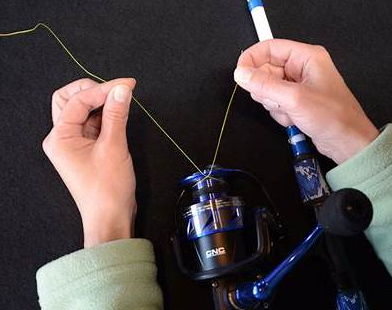
Tips for Choosing the Right Line
Here are some practical tips based on real angler experience:
Start Simple
For your first fishing trips, use an 8–12 lb monofilament line. It’s forgiving and easy to manage.
Match Technique to Line
- Topwater or light lures → monofilament
- Finesse presentations → fluorocarbon
- Heavy cover or deep water → braid with a fluorocarbon leader
Practice Knot Tying
Beginner gear is only as good as the knots you tie. Spend time learning essential knots like the Palomar Knot and Improved Clinch Knot — these work well with all line types.
Check Conditions
Clear water often favors low‑visibility fluorocarbon, while stained water allows braid or mono without spooking fish.
Lure Fishing Line Examples for Beginners
Here are a few common setups that work well across many situations:
- General freshwater: 8–12 lb monofilament
- Bass with soft plastics: 12–20 lb braided line + 10–15 lb fluorocarbon leader
- Trout in clear water: 4–6 lb fluorocarbon
Final Tips
The best fishing line for beginners depends on water conditions, target species, and your confidence with line handling. Start with monofilament — it’s the most forgiving and easiest to learn with. Once you gain experience, you can explore fluorocarbon or braid to expand your lure fishing tactics.
Happy fishing and tight lines!