Texas Rig Guide: How to Rig and Fish It for Bass
The Texas Rig is one of the most famous and effective setups in bass fishing. If you ask experienced anglers about the most reliable rig for catching bass in almost any condition, the Texas Rig will almost always be on the list. Whether you’re fishing lakes in the United States or targeting predatory fish in European waters, learning Texas Rig bass fishing can dramatically improve your results.
In this guide, you’ll learn what the Texas Rig is, how to rig Texas Rig properly, the best bait for Texas Rig, and when to use this versatile setup. By the end of this article, you’ll understand why the Texas Rig has been catching bass for decades and why it remains a fundamental technique in modern lure fishing.
What Is the Texas Rig
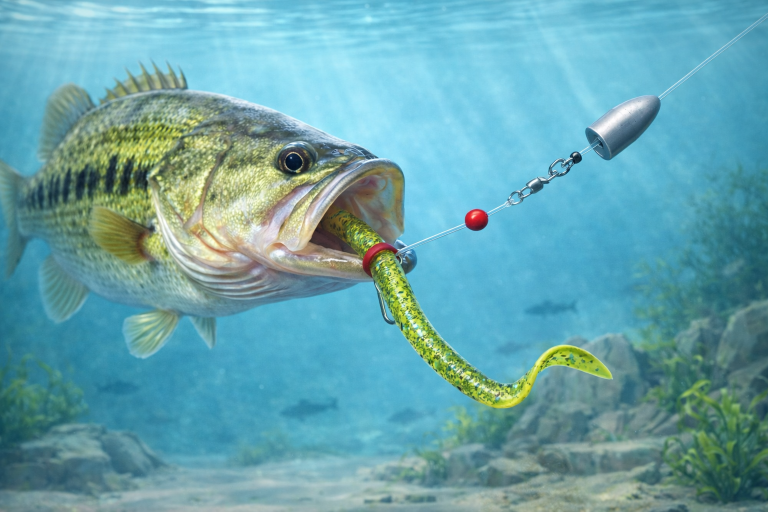
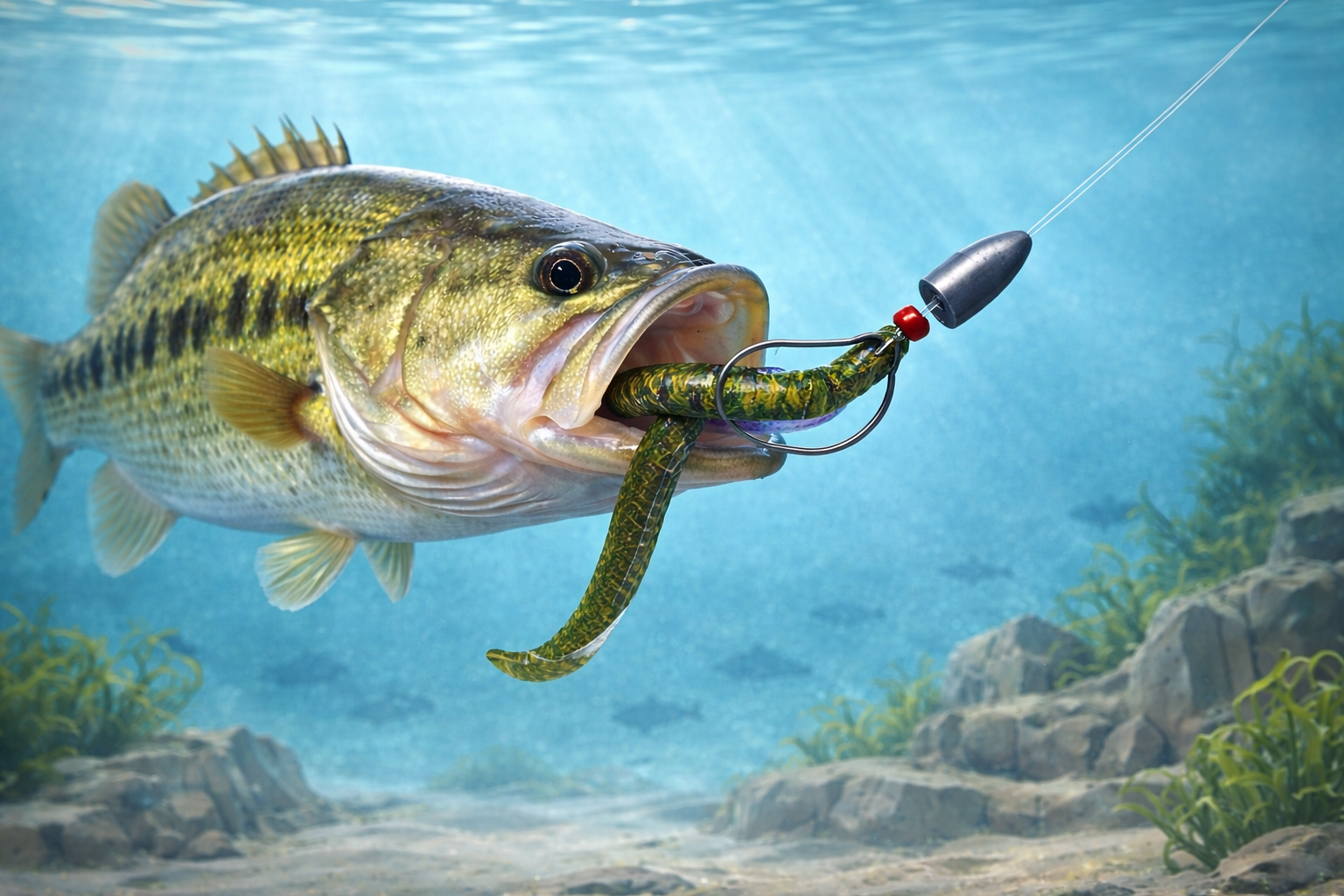
The Texas Rig is a fishing setup designed for fishing soft plastic lures in a weedless and snag-resistant way. It typically consists of a bullet-shaped sliding weight, an offset worm hook, and a soft plastic bait.
The key feature of the Texas Rig is that the hook point is embedded into the soft plastic lure, which makes the setup resistant to weeds, grass, and underwater obstacles. This design allows anglers to fish in places where other rigs would constantly get snagged.
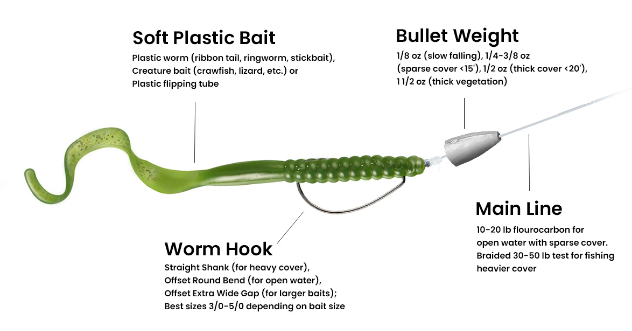
A typical Texas Rig setup includes:
- Bullet weight (lead or tungsten)
- Offset worm hook or EWG hook
- Soft plastic lure
- Optional bobber stopper or bead
This rig is commonly used for largemouth bass and smallmouth bass, especially when fishing around heavy cover like vegetation, wood, or rocks.
Another reason the Texas Rig is so popular is its versatility. It can be fished in shallow water, deep structure, vegetation, or open water. In fact, many anglers consider it the most versatile bass fishing rig ever created.
Why the Texas Rig Works for Bass Fishing
The Texas Rig has remained popular for decades because it solves several problems that anglers often face when targeting bass.
1. Weedless design
The hook point is buried inside the lure, which makes the rig extremely weedless. This allows anglers to fish in heavy vegetation and structure without constantly snagging.
Bass often hide in these difficult areas because they provide cover and ambush opportunities.
2. Natural bait presentation
The sliding weight allows the soft plastic bait to move naturally along the bottom, imitating prey like worms, crawfish, or small fish.
This natural movement is extremely effective at triggering bass strikes.
3. Versatility in depth
One of the biggest advantages of the Texas Rig is that it can be fished in almost any water depth, from very shallow water to deep offshore structure.
You can simply change the weight size to control how quickly the lure sinks.
4. Works year-round
Unlike some techniques that only work during specific seasons, the Texas Rig can produce results throughout the entire year.
Anglers commonly use it in:
- Spring spawning season
- Summer heavy cover fishing
- Fall feeding periods
- Winter deep water fishing
5. High hook-up rate
Because bass usually inhale soft plastic lures, the Texas Rig provides excellent hook penetration when the angler sets the hook.
How to Rig Texas Rig (Step-by-Step)
Learning how to rig Texas Rig properly is essential for maximizing its effectiveness. Fortunately, the setup is simple and can be done in just a few minutes.
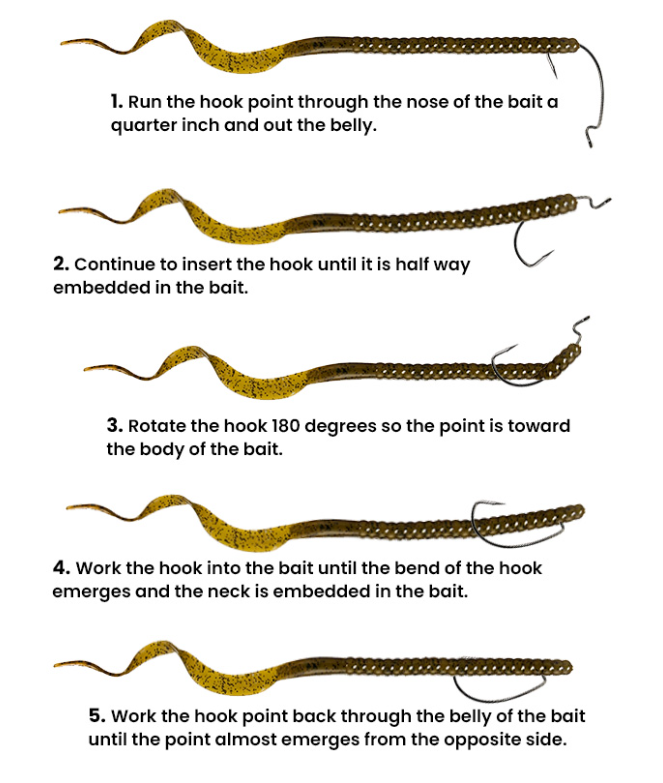
Step 1: Thread the bullet weight onto the line
Slide a bullet weight onto your fishing line with the narrow end facing the rod.
The weight should be able to slide freely along the line.
Step 2: Tie the hook
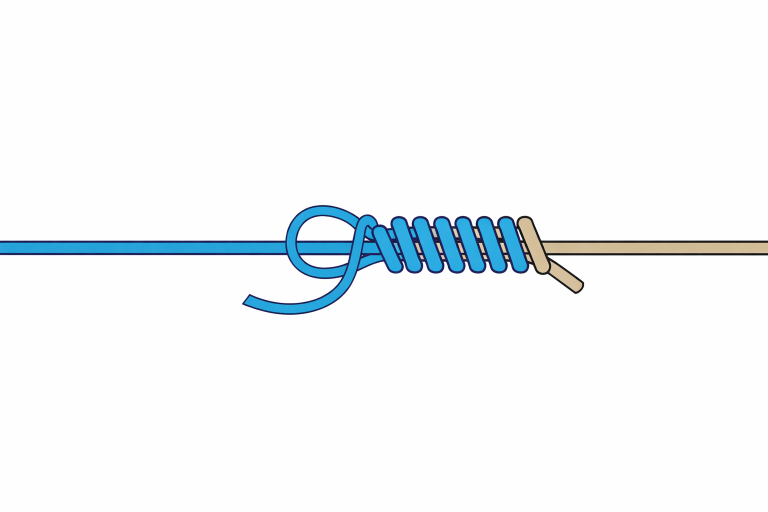
Tie an offset worm hook or EWG hook to the end of the line using a strong fishing knot such as:
- Palomar knot
- Improved clinch knot
Step 3: Insert the hook into the lure
Push the hook point into the head of the soft plastic bait for about ¼ inch (0.5–1 cm).
Then bring the hook point out of the belly of the lure.
Step 4: Slide the lure up the hook
Slide the lure up the hook until it reaches the hook eye.
Then rotate the lure 180 degrees so it sits naturally.
Step 5: Insert the hook point back into the lure
Push the hook point through the body of the lure again so that the lure sits straight.
Step 6: Make the lure weedless
Bury the hook tip slightly into the plastic bait.
This makes the lure weedless and snag-resistant.
When done correctly, the lure should sit straight along the hook, allowing it to swim naturally.
Best Bait for Texas Rig
Choosing the best bait for Texas Rig can make a huge difference in your success. Fortunately, this rig works with a wide range of soft plastics.
Here are some of the most popular options.
1. Plastic worms
Soft plastic worms are the classic Texas Rig bait.
Common sizes:
- 5 inch finesse worms
- 7 inch standard worms
- 10–12 inch big worms
These are excellent for slow presentations along the bottom.
2. Creature baits
Creature baits imitate crawfish and other underwater animals.
They work extremely well in:
- Heavy cover
- Vegetation
- Wood structure
3. Crawfish imitations
Crawfish are one of the primary food sources for bass, making craw-style soft plastics extremely effective.
4. Lizards
Plastic lizards are often used during the spring spawning season, when bass aggressively defend their nests.
5. Stick baits
Stick baits such as Senko-style lures can also be Texas rigged for subtle presentations.
These are especially effective in clear water.
Fishing Techniques for Texas Rig
Once you have your Texas Rig setup ready, the next step is learning how to fish it effectively.
There are several proven techniques.
1. Dragging
Cast the rig and let it sink to the bottom.
Then slowly drag the lure along the bottom using your rod.
This technique imitates a crawling crawfish.
2. Hopping
Lift the rod tip to make the lure hop off the bottom.
Then let it fall again.
Bass often strike during the falling motion.
3. Flipping and pitching
The Texas Rig is perfect for precision casting into heavy cover.
Anglers often flip or pitch the bait into:
- Dock pilings
- Grass edges
- Brush piles
4. Swimming
In some situations, anglers slowly retrieve the Texas Rig like a swimming lure.
This works well with paddle-tail soft plastics.
5. Dead sticking
Sometimes the best technique is doing nothing.
Let the lure sit still on the bottom for several seconds.
This can trigger bites from inactive bass.
When to Use the Texas Rig
The Texas Rig bass fishing technique works in many situations, but it truly shines under certain conditions.
1. Heavy vegetation
Because the hook is weedless, the Texas Rig can be fished through:
- Grass beds
- Lily pads
- Hydrilla
- Milfoil
2. Wood structure
Bass often hide around fallen trees, stumps, and brush piles.
The Texas Rig can slip through these areas without snagging.
3. Rocky bottom
By dragging the rig slowly across rocks, anglers can imitate crawfish.
4. Shallow water
Texas rigs are extremely effective in shallow bass habitats, especially when bass are holding in cover.
5. Tough fishing conditions
When bass are inactive or heavily pressured, a slow-moving Texas Rig can still trigger bites.
Texas Rig vs Other Bass Fishing Rigs
Although the Texas Rig is one of the most versatile setups in bass fishing, it is not the only rig anglers use. Different rigs are designed for different fishing conditions, lure presentations, and fish behavior. Understanding how the Texas Rig compares with other bass fishing rigs can help anglers choose the right technique for the situation.
The biggest difference between rigs usually comes down to how the weight and bait are positioned. For example, the Texas Rig places the weight directly in front of the bait, while rigs like the Carolina Rig separate the weight from the lure using a leader.
Below is a simple comparison of the Texas Rig and several other popular bass fishing rigs.
| Rig | Best Use | Key Characteristics | When to Choose It |
|---|---|---|---|
| Texas Rig | Heavy cover and structure | Weedless hook design with sliding bullet weight | Fishing grass, wood, docks, and thick cover |
| Carolina Rig | Covering large areas of bottom | Weight separated from bait with a leader | Searching offshore flats or deep structures |
| Drop Shot Rig | Finesse fishing | Weight below hook keeps bait suspended above bottom | When bass are inactive or suspended |
| Wacky Rig | Finesse shallow fishing | Worm hooked through the middle for fluttering action | Clear water or pressured bass |
| Ned Rig | Ultra-finesse presentation | Small bait on light jig head | Tough fishing conditions or cold water |
Final Thoughts
The Texas Rig is one of the most important techniques every bass angler should learn. Its combination of simplicity, versatility, and weedless design makes it one of the most reliable rigs ever created.
Whether you’re fishing small ponds, large reservoirs, or rivers, mastering Texas Rig bass fishing will help you catch more fish.
To summarize:
- The Texas Rig setup is simple and easy to learn.
- It allows anglers to fish soft plastics in heavy cover.
- It works with many different types of baits.
- It can be used year-round in almost any fishing condition.
For many anglers, the Texas Rig becomes a go-to technique whenever bass fishing gets tough.
If you’re serious about improving your lure fishing skills, learning how to rig Texas Rig properly and mastering the techniques behind it is one of the best investments you can make in your fishing journey.