How to Tie a Palomar Knot
The Palomar Knot is one of the most popular and dependable Palomar Knot fishing knot options for lure anglers—especially if you fish braided line. If you’ve ever searched how to tie Palomar Knot because you’re tired of break-offs or slipping knots, you’re in the right place. This guide covers Palomar Knot step by step, explains Palomar Knot strength, shows why the knot works so well, and tells you exactly when to use this knot (and when to choose something else).
What Is the Palomar Knot
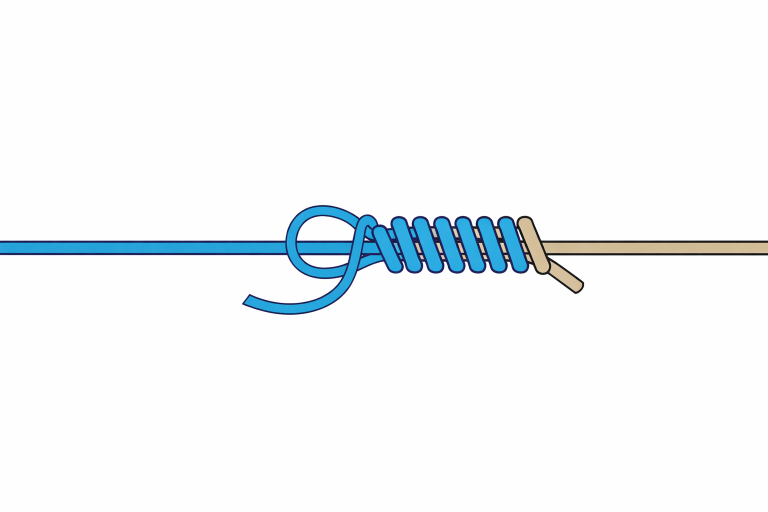
The Palomar Knot is a simple terminal knot used to attach your line to a hook, lure, snap, or swivel by doubling the line and forming an overhand knot, then passing the loop over the lure/hook before tightening. It’s widely recommended because it’s quick to tie, easy to remember, and extremely reliable when tied correctly.
Why This Knot Is So Strong
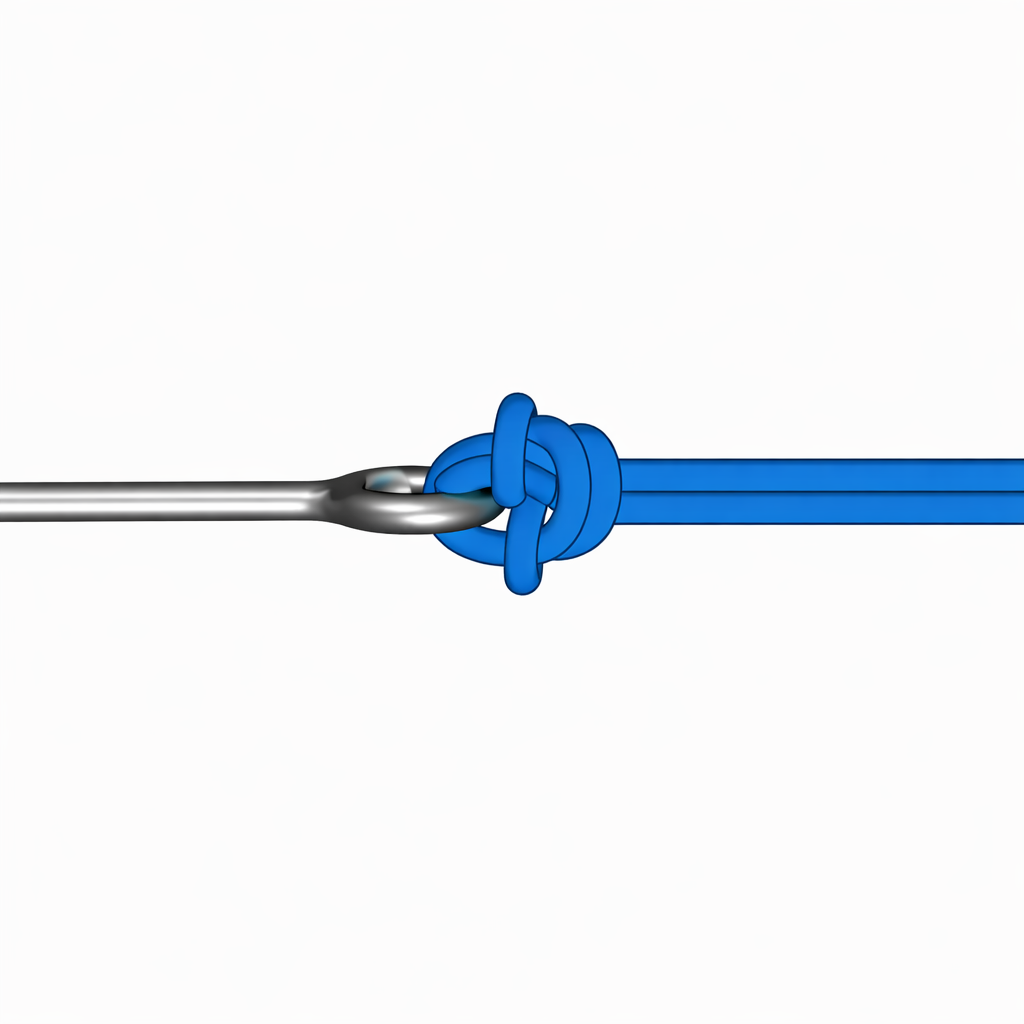
The main reason Palomar Knot strength is so high is its double-line structure through the eye. Two strands share the load at the connection point, and the knot seats cleanly when lubricated and tightened evenly. Many fishing resources cite the Palomar as a top performer for mono/fluoro terminal connections (often near “full strength” when tied correctly) and as a strong, simple choice for braided line in particular.
One important nuance: strength results can vary a lot by line type and how cleanly the knot is seated. Testing on some “superlines” (like certain fused lines) has shown the Palomar may break lower than anglers expect, which is why correct tightening and line choice matter.
How to Tie the Palomar Knot (Step-by-Step)
Follow this Palomar Knot step by step method exactly. Small details (crossing lines, tightening too early, not lubricating) cause most failures.
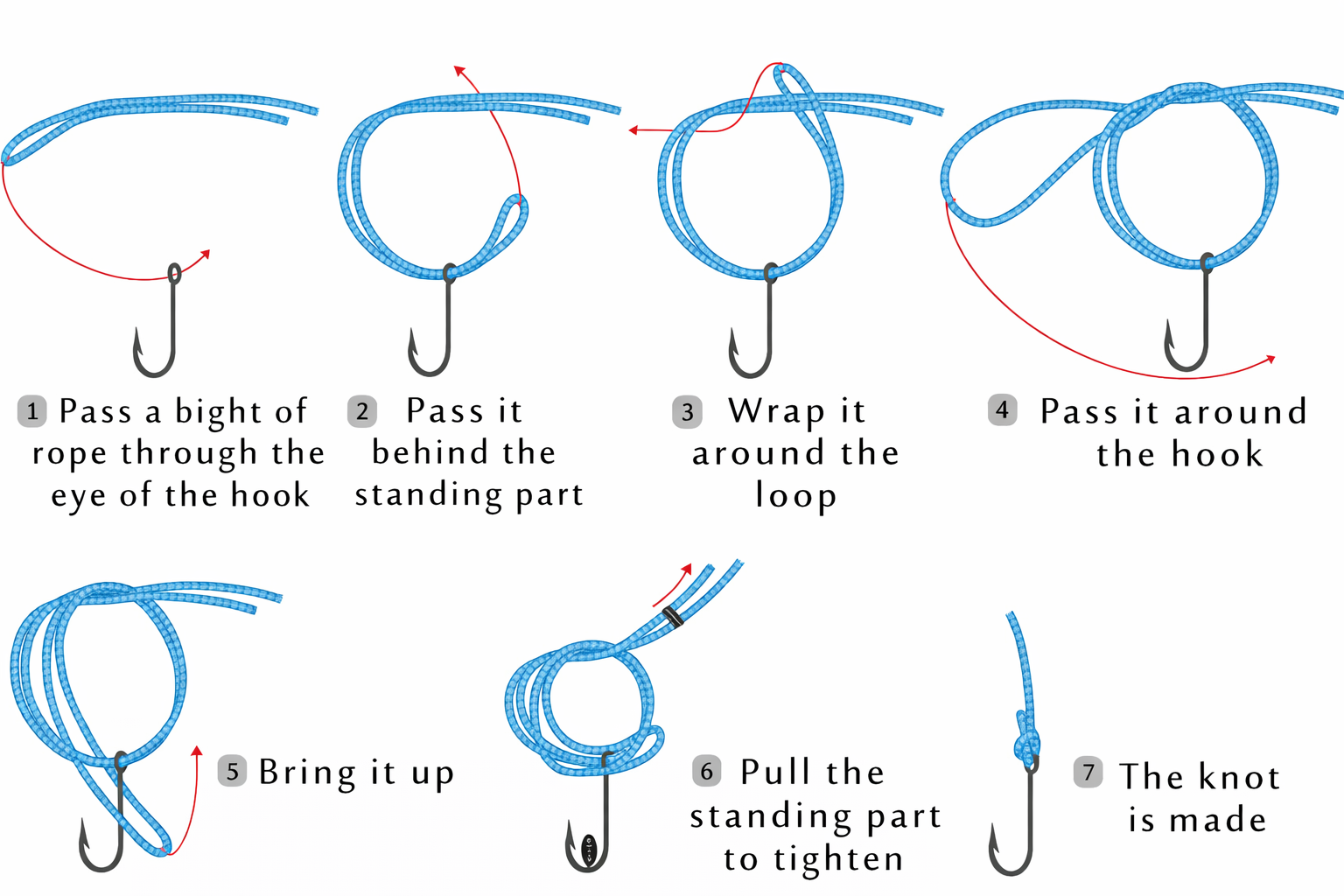
- Double the line
Pull 6–10 inches of line into a loop (a “bight”). Keep the two strands parallel (don’t twist or cross them). - Pass the loop through the eye
Push the doubled line through the lure eye, hook eye, or snap. If your line is thick and the eye is small, you can pass a single strand through first, then feed it back to create the doubled loop. - Tie a loose overhand knot
With the doubled line, tie a simple overhand knot, but do not cinch it down yet. Tightening too early can damage line or trap crossed strands. - Pass the lure/hook through the loop
Take the big loop and pass it completely over the lure/hook/snap. (This is the step that can be annoying with large hardbaits or trebles.) - Lubricate and tighten smoothly
Wet the knot, then pull both the standing line and tag end evenly to seat it. Make sure the knot cinches down cleanly against the eye with no crossed strands. - Trim the tag end
Leave a small tag (about 2–3 mm). With some braids, leave slightly more if you’ve seen slippage on your specific line.
When to Use This Knot
Use the Palomar Knot when you want a fast, strong, no-nonsense connection for:
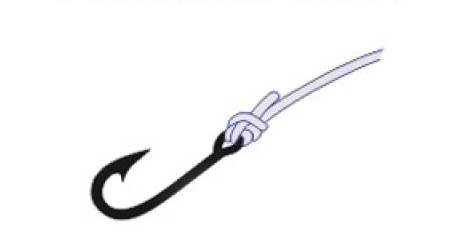
- Jigs and single-hook lures (excellent reliability and easy re-ties)
- Palomar Knot for braid setups (commonly recommended as a top braid terminal knot because it’s simple and grips well when seated correctly)
- Snaps and swivels (especially when you want a compact, strong knot that’s easy to tie in wind or low light)
Consider a different knot when:
- Your lure has big treble hooks and passing the loop over the lure is a hassle (many anglers prefer knots that don’t require “loop over lure” for this reason).
- You’re tying to certain “superlines/fused lines” where tests have shown lower break percentages (your mileage varies, but it’s worth knowing).
Common Mistakes
These are the big reasons anglers think the Palomar “isn’t strong,” when it’s usually a tying issue:
- Crossing the doubled strands
Crossed lines can weaken the knot and cause failures. Keep everything neat and parallel. - Cinch-down too early
Tightening before the loop is placed correctly can create friction damage (“burn”) and poor seating. - Not lubricating
Dry tightening increases heat and friction—especially bad for fluorocarbon. - Loop catches on a treble hook point
If the loop snags a treble point while tightening, you can seat the knot wrong without realizing it—then it fails under load.
Pro Tips
- Seat it in two stages: snug gently first, then pull firm and even to lock it down. This helps prevent crossed strands and line burn.
- For Palomar Knot for braid, consider a slightly longer tag end than you would with mono/fluoro if your braid is slick.
- If you’re using fluorocarbon, be extra careful: wet thoroughly and tighten slowly to reduce friction damage.
- If you repeatedly break at the knot, re-check for crossed strands and whether the knot is seated flush to the eye. Tackle-focused guides specifically warn that crossed lines and premature tightening are common failure points.
Palomar Knot vs Other Fishing Knots
Here’s a practical comparison (not theory-only) to help you choose quickly:
| Knot | Best for | Pros | Cons |
|---|---|---|---|
| Palomar Knot | Braid, jigs, snaps/swivels | Fast, strong, easy to learn | Must pass loop over lure; annoying with trebles |
| Improved Clinch | Mono/fluoro to small hooks/lures | Simple, no “loop over lure” step | Often less reliable on slick braids; strength can vary widely by line |
| Uni Knot | All-around terminal knot | Very versatile; great backup knot | More wraps/steps than Palomar; can be slower under pressure |
| Trilene / Double-loop Clinch | Mono/fluoro terminal | Often cited as very strong and simple | Slightly more steps than basic clinch |