How to Choose Lure Colors in Fishing: The 3 Key Factors
Many anglers choose lure colors the same way they choose socks — “whatever looks good today.” That’s one of the biggest mistakes beginners make. Picking the wrong lure color can be the difference between a full livewell and zero bites. Choosing the right color matters because fish see color differently based on water conditions, light, and their own feeding behavior. A smart color choice will increase your catch rate, save time and money, and reduce the frustration of watching fish ignore your bait.
In this guide, you’ll learn how to choose the right lure color based on three core elements: light conditions, water clarity, and what the target fish are feeding on.
The 3 Key Factors for Choosing Lure Colors
1. Light Conditions (Brightness & Sunlight)
Light affects how fish see your lure under the water. In bright sunlight, more light penetrates deeper, making subtle and natural lure colors easier for fish to detect. In overcast conditions, dusk/dawn, or shaded waters, lower light means fish rely more on contrast and silhouette. That’s why darker and high‑contrast colors (such as black or dark purple) tend to work well in low light, as they create a strong visual shape against the water background.
2. Water Clarity (Visibility)
Water clarity — or how “clear” the water is — is one of the most important factors in lure color selection. In clear water, fish can see lures from far away, so natural and subtle colors that resemble real baitfish are typically most effective. When the water is stained or murky, fish can’t see as far, so the lure color should be brighter, more contrasting, or reflective so it stands out.
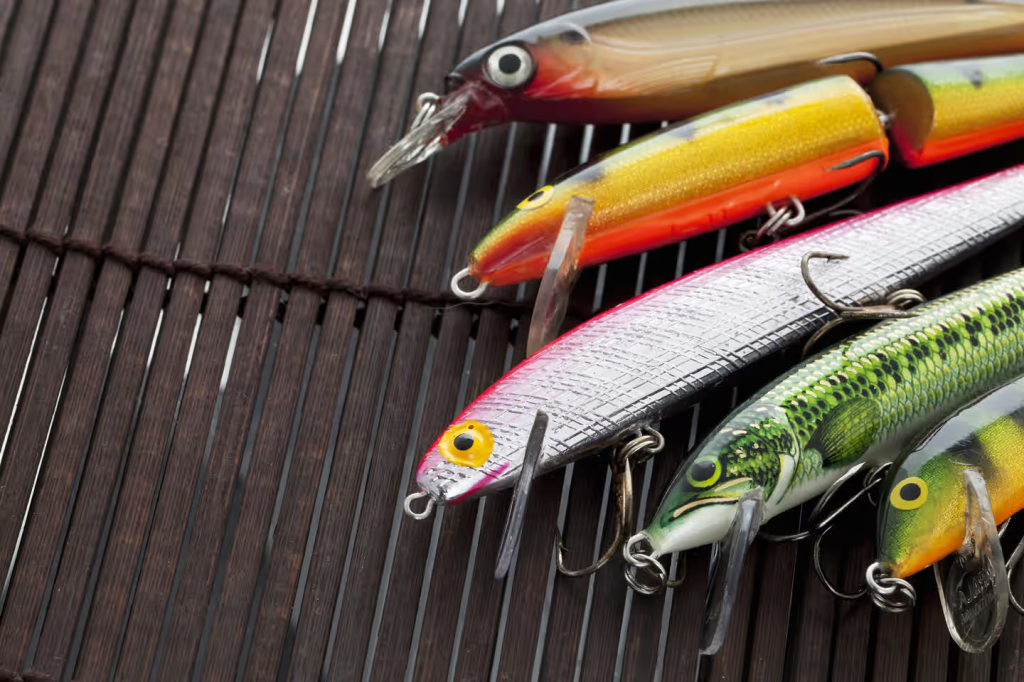
- Clear Water: Natural tones like green pumpkin, grey, silver or translucent colors.
- Medium Clarity: A mix of intense or natural patterns with medium contrast.
- Murky Water: Bright and bold colors such as chartreuse, orange, white, or fluorescent hues for easier detection.
This rule of thumb — subtle in clear water, bold in dirty water — is widely used by experienced anglers to increase bite rates.
3. Match the Fish’s Natural Diet (Prey Preferences)
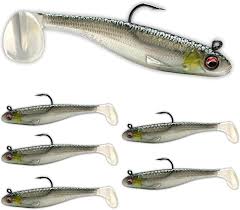
Fish aren’t colorblind, and many species learn to recognize the kinds of prey available in their environment. Choosing a lure color that closely matches local forage increases the chances of a strike. For example, if baitfish in your lake have silvery bodies, using silver, white, or chrome finishes on lures can mimic that food source and trigger more aggressive bites.
Matching the hatch isn’t limited to exact imitation — sometimes it’s enough to mimic the general shape and color contrast of common prey so the lure looks familiar and “edible” to fish.
Practical Lure Color Tips for Summer Fishing
Here’s how to apply these principles in real situations:
- Bright Sunny Days: Use natural colors like silvers, greens, and browns that blend with baitfish and stay visible.
- Murky or Stained Water: Opt for bright, easy‑to‑see colors like chartreuse, white, orange, or hot patterns that stand out.
- Low Light Conditions: Use high‑contrast or dark colors that create a silhouette even with limited light.
- Universal Colors: White and black often work well across visibility conditions and are considered “go‑to” colors when in doubt.
Conclusion
Choosing the right lure color isn’t random — it’s based on understanding how light, water clarity, and fish behavior interact. By considering these three key factors before you cast, you can dramatically improve your chances of attracting strikes and landing fish.