Lure Rod Selection Explained: Rod Length Guide
Choosing the right lure fishing rod can feel as challenging as catching your first fish. With countless models on the market and numerous specifications to consider, many anglers spend more time picking a rod than they do fishing. The goal of this guide is to help beginners find a clear path and refresh seasoned anglers’ understanding so everyone can choose a rod that truly fits their needs and fishing style.
When selecting a rod, it’s common for beginners to overthink what kind of fish they might someday catch and imagine needing extreme gear. However, that approach often leads to buying gear that doesn’t match your actual experience or typical fishing conditions. Instead of imagining your “dream catch,” focus first on how you will use the rod and how you will fish with it — that perspective will lead you to more practical choices.
Why Rod Length Matters
Casting Distance & Control
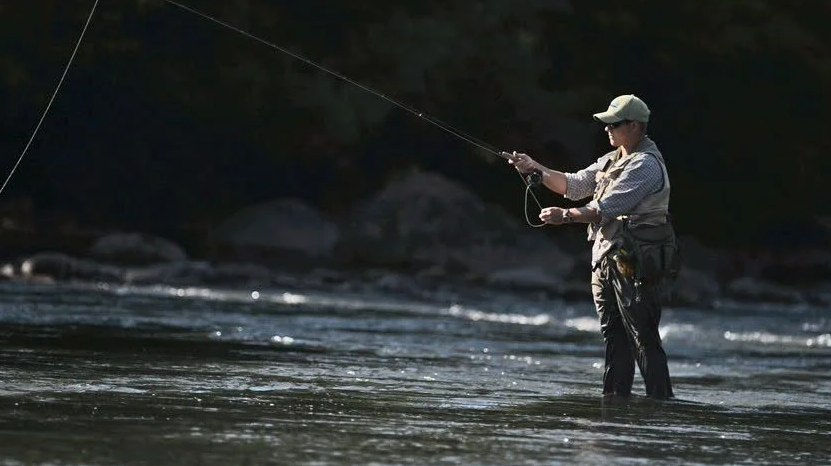
One of the most important specifications on any rod is rod length, because it directly affects how far and how accurately you can cast your lure. In general, longer rods allow you to cast farther because they create a larger casting arc and store more energy during your cast. This is especially helpful when fishing from shore or trying to reach distant fish holding in open water. Conversely, shorter rods offer better control and accuracy, making them ideal for fishing near cover or from a boat.
Long rods are particularly useful when fishing from the bank or in open water, where you need to cover more area or reach fish that are far from your position. Shorter rods, on the other hand, are easier to maneuver in tight spaces, under tree limbs, or when casting around docks and other structure.
Rod Length & Fish‑Fighting Experience
Rod length doesn’t just influence casting — it also affects how you feel the fight when a fish is on. Because of leverage, a longer rod amplifies the pull of the fish and can make even moderate fish feel powerful. Anglers who enjoy the sensation of playing a fish and feeling every movement may prefer a longer rod.
Shorter rods produce more direct control and leverage when reeling in fish that are closer or fighting hard in current. This is one reason shorter rods are popular on boats or kayaks — they make it easier to lift fish straight up without relying on rod length to generate leverage.
Practical Rod Length Recommendations
For most beginner lure anglers, rod lengths below 3 meters (around 7–9 feet) are more than adequate. In freshwater environments and typical bank or boat fishing, rods in this range balance casting distance with comfort and control. A rod too long — such as one intended for extreme surf casting — may make casting more difficult in tight or tree‑lined areas.
- Bank/shore fishing: Longer rods offer greater casting distance, helping you reach deeper water from shore.
- Boat/kayak fishing: Shorter rods (around 2.4 meters / ~8 feet or less) are easier to use because space is limited and you don’t need maximum distance.
- Beginner all‑around rod: Many anglers recommend a rod between 6’6” and 7’6” (about 2–2.3 meters) as a versatile starting point that blends distance, control, and ease of use.
How to Think About Rod Length as a Beginner
A common guideline for beginners is to prioritize a rod that you can comfortably handle and cast consistently, rather than obsessing over length. Rod length is just one part of the equation — together with rod power, action, lure weight ratings, and line weight, they determine how your rod performs on the water. Once you become comfortable fishing, you can fine‑tune your choices to match specific techniques and lure types.