Spring Bass Fishing Tips & Seasonal Strategies
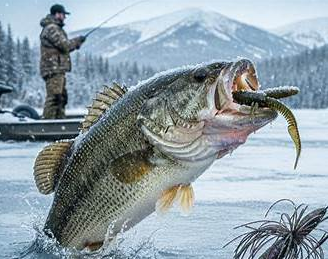
There’s something magical about spring bass fishing — that first hint of warmth on your face, the hum of life returning to the lake, and the bass themselves getting restless after a long winter. For me, spring is hands‑down one of the most exciting seasons to fish. It’s when bass transition from lethargic winter behavior to aggressive feeding and prespawn staging, and if you can read the water and patterns right, you can put a ton of fish in the boat before the spawn even begins.
Why Spring Matters So Much
During spring, bass experience a dramatic shift in behavior. As water temperatures gradually rise from those chilly winter lows into the 50s and 60s, their metabolism speeds up and their instincts kick into high gear. They begin migrating from deep winter haunts toward warmer, shallow water where food and eventual spawning sites await.
That transition isn’t instant — it happens in phases:
- Pre‑spawn (water temps ~48‑60°F): Bass begin moving shallower and start feeding aggressively to bulk up for the spawn.
- Spawn (~58‑70°F): Bass head into shallow flats, coves, and protected pockets to make beds and reproduce.
- Post‑spawn (70°F+): After spawning, bass scatter and feed hard again before settling into summer patterns.
Knowing where bass are during each of these stages — and what they want to eat — gives you a huge edge.
Finding Fish: Where Spring Bass Hold
One of the first things I do when spring rolls around is watch the water temperature like a hawk. Those degrees tell you where bass will be and how active they’re likely to be.
Shallow Flats & Warm Sheltered Zones
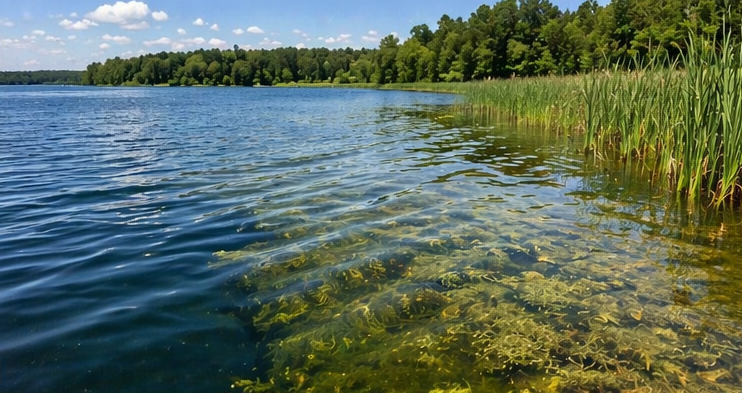
As the sun begins to warm the lake in early spring, shallow flats and coves heat up faster than deeper water. Bass are drawn to these warmer transition zones as they prep for spawning — especially in the mornings and on sunny days.
Creek Mouths & Channels
Creek mouths act like highways into spawning grounds. You’ll often find bass staging along these corridors, moving back and forth between deeper water and the shallow flats where they’ll eventually spawn.
Vegetation Edges & Cover
Bass love ambushing prey right at the edge of vegetation — grass lines, fallen logs, brush piles — anything that creates cover or concentration of baitfish. These spots warm up quickly and hold fish even on cooler days.
Best Spring Lures & Presentations
If spring fishing had a motto, it would be “change it up until you find rhythm.” Water clarity, temperature shifts, weather changes — all of these can turn a good bite into silence. But having the right lures in your hands helps you stay ahead of those shifts:
Reaction & Search Baits
When bass are still in that active pre‑spawn feeding phase, I like to cover water and find schools of fish:
- Lipless crankbaits: Great for burning shallow flats and staging areas.
- Spinnerbaits: Flash and vibration help you locate fish in murky spring water.
- Jerkbaits: Especially suspending ones — jerk‑pause‑jerk keeps the bait in the strike zone longer and mimics dying baitfish.
These baits are my go‑to when the water is in the mid‑50s and bass are still cruising between deep and shallower water.
Soft Plastics & Finesse Tactics
When conditions cool off or bass get finicky:
- Soft plastic worms, craws, and creature baits can draw bites when reaction baits don’t.
- Dropshot rigs and finesse presentations let you stay in the strike zone longer around cover without spooking fish.
Topwater for the Win
Once water temps edge up toward the high 50s and low 60s, early morning topwater action can be explosive. Frogs and poppers along shallow grass and flats at first light often lead to memorable strikes — the kind where you’re still grinning on the ride home.
Reading Water & Structure Like a Pro
The fish are always telling you where they want to be — you just have to read the signs.
Thermal Breaks
Bass follow warmth like a trail. On cool mornings, they’ll congregate in sunlit shallows. By midday, you’ll find them still close but maybe along breaks or edges where deep and shallow water meet.
Cover & Ambush Points
Trees, emergent vegetation, docks, even sunken rocks become spring magnets. Bass use these features both to hide and to ambush baitfish as the water warms. Cast outside the cover — then inside — and be ready for aggressive strikes.
Baitfish Activity & Birds
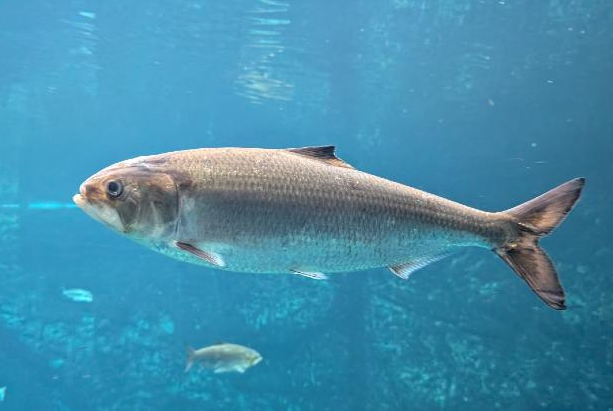
One trick I swear by is watching baitfish activity and birds. If swallows or gulls are diving, it usually means there’s a swirling mass of bait — and hungry bigmouths nearby ready to feed.
Real‑World Stories & Tips from the Water
I’ll never forget a cool spring morning on Lake X a few years back. I was cruising along a sheltered flat at first light when a huge bass streaked out and absolutely nailed a buzzbait I was working near a bed of hydrilla. The rod nearly pulled from my hand — and I knew right away spring was on. That fish came on a lure that wasn’t even in my plan that day but matched what the fish wanted: noise, vibration, and presence in shallow water.
Some dos and don’ts from years of trial and error:
- Do slow down your presentations early in the season. Cold bass still think slow even as they warm up.
- Don’t ignore structure when fishing shallow — that’s where bass set up ambush zones.
- Do change lure colors and retrieves if the bite dries up — spring weather changes quickly.
- Don’t be afraid to slow or pause your bait — sometimes that hesitation is what gets a finicky fish to bite.
When to Expect Aggressive Bites vs. Finicky Fish
There are days when spring bass feel like monsters — chasing baits in shallow water like they’re starving. Other days, especially just before a cold front, they’re lethargic and hard to entice. Paying attention to weather patterns, water temps, and bass behavior keeps you ahead of those swings and lets you shift tactics on the fly.
Final Cast
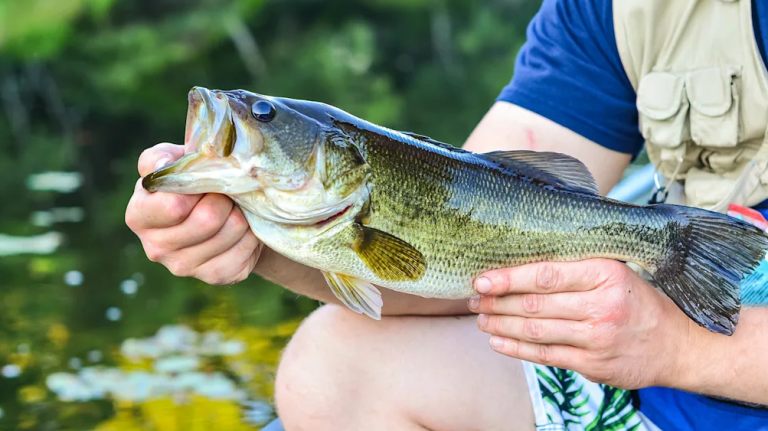
Spring bass fishing isn’t a one‑size‑fits‑all game — it’s a rhythm. Learn the water temps, understand the phases from prespawn to spawn, and match your tactics to each situation. Watch the water, read the structure, and don’t be afraid to experiment. Above all, enjoy those early spring days when the air feels crisp and every cast holds promise — because nothing beats that first big spring bass of the year.