Shad Fishing Techniques: A River Angler’s Guide to Catching Shad
If you’ve never hooked into a shad before, you’re missing out on one of the most underrated freshwater fights out there. Old-timers sometimes call them the “freshwater tarpon” because when you hook one, it often jumps repeatedly and pulls like a fish twice its size.
I still remember the first spring run I fished on a wide river. The water was cold, the current was strong, and suddenly the rod tip started bouncing as something powerful thrashed in the flow. That first shad came flying out of the water three times before I even knew what I’d hooked.
Over the years, I’ve spent a lot of time chasing these fish during their seasonal runs. In this guide, I’ll walk through the shad fishing techniques that actually work, from reading river currents to choosing the right lure and timing your trip. If you want to learn how to catch shad, these are the lessons that come from real time on the water.
1. Behavior & Environment of Shad
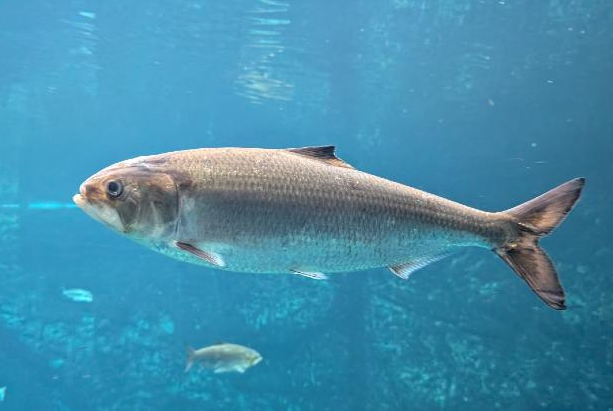
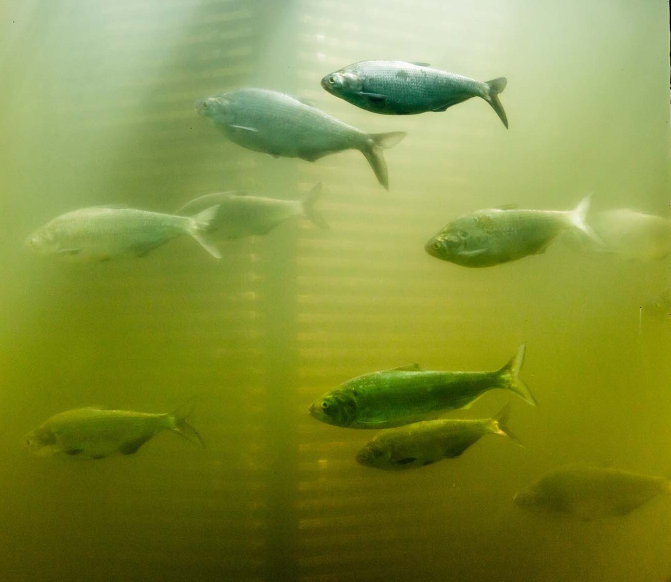
Shad are fascinating fish because they live most of their lives in the ocean but migrate into freshwater rivers every spring to spawn. This type of fish is known as anadromous, meaning they move from saltwater into freshwater during spawning season.
This migration is what creates the famous shad runs that anglers look forward to each year.
Where Shad Live
During their spawning migration, shad gather in:
- Large rivers and tributaries
- Deep channels with steady current
- Tailouts below dams
- Current seams near sandbars or drop-offs
Unlike many freshwater fish, shad prefer strong current and deeper water. They often hold near the bottom of the river channel, especially during their upstream run.
One thing that surprises many anglers is that shad don’t necessarily bite out of hunger. During spawning runs, their feeding behavior becomes unpredictable, but their instinct to strike moving objects in current still makes them catchable.
How Shad Move in Rivers
If you watch a river long enough during the spring run, you’ll notice something interesting: shad move upstream in waves. Some days you’ll see very little activity, and the next day the river seems full of fish.
They also tend to travel along current seams and deeper channels, using the flow of the river as a guide.
Learning to identify these travel lanes is one of the most valuable shad fishing techniques you can learn.
2. Best Fishing Techniques to Catch Shad
Shad fishing is simple in theory but requires the right presentation. Because these fish hold in current, your goal is to let your lure move naturally with the flow.
Cross-Current Casting
One of the most effective methods is casting slightly upstream and across the current, then allowing your lure to sweep through the water in a natural arc.
This technique lets your lure drift naturally along the bottom where shad tend to swim.
The key is to keep a steady retrieve so the lure maintains movement while drifting through the current.
Drift Fishing
Drift fishing is another classic approach, especially when fishing from a boat.
In this method, anglers cast upstream and allow the lure to drift with the current while occasionally lifting the rod tip to add subtle action.
Adding small jigging motions every few seconds can increase strikes because shad often respond to erratic movement.
Jigging
Light jigging can be very effective when shad are holding deep.
Drop a small jig toward the bottom and lift it slightly before letting it fall again. The fluttering motion mimics injured prey and often triggers strikes.
Fly Fishing for Shad
Fly fishing is extremely popular during shad runs.
Small flashy flies, such as Clouser minnows, are often used because they imitate tiny baitfish moving through the current.
A sinking fly line helps get the fly down into the strike zone where shad are traveling.
3. Recommended Gear, Lures & Bait Choices
Shad fishing doesn’t require heavy equipment, but the right gear can make a big difference.
Rods & Reels
Most anglers prefer light tackle for shad because the fish fight hard and lighter gear makes the experience more fun.
Typical setups include:
- 6–7.5 ft light-action spinning rod
- Small spinning reel
- 4–8 lb test line
This setup gives enough sensitivity to detect subtle strikes while still handling strong runs in current.
Best Lures for Shad
Several lure types consistently catch shad.
The most popular options include:
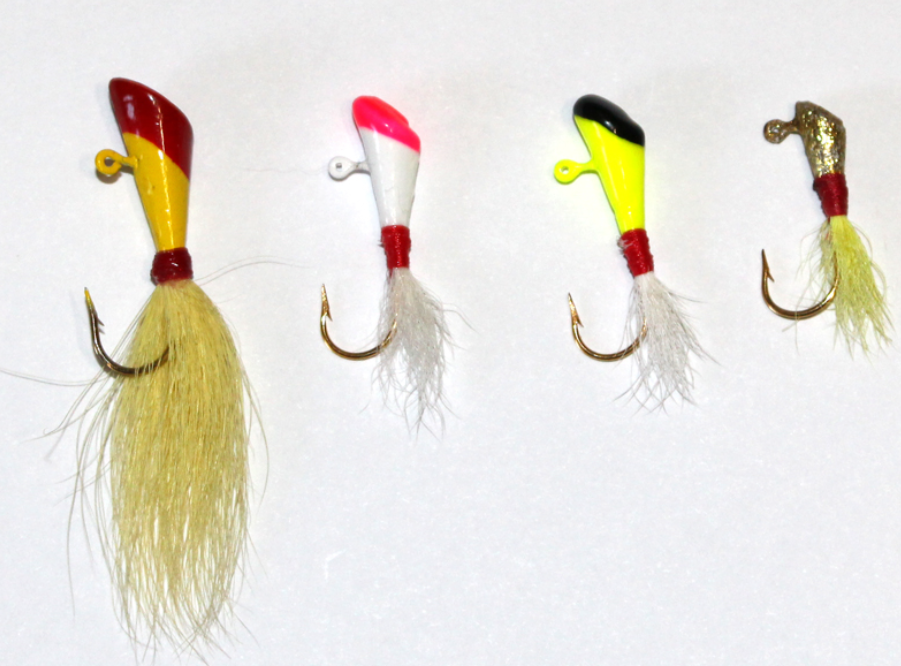
- Shad darts (small brightly colored jigs)
- Tiny spoons
- Curly tail grubs on jig heads
- Small spinner lures
Bright colors such as pink, chartreuse, or white tend to work well in many rivers.
Many anglers fish a two-lure rig with a jig on the front and a small spoon behind it.
Fly Fishing Flies
Fly anglers often rely on small flashy patterns.
Popular choices include:
- Clouser minnows
- Shad flies
- Brightly colored streamers
These patterns imitate the small baitfish and insects shad react to during their spawning run.
4. Seasonal Tips & Location Strategies
Understanding seasonal timing is one of the most important parts of learning how to catch shad consistently.
Spring — The Shad Run
Spring is prime time for shad fishing.
As water temperatures reach around 58°F, shad begin migrating upstream into rivers to spawn.
During this time, fish concentrate in:
- River channels
- Tailwaters below dams
- Deep runs with steady current
This migration typically occurs from April through June in many regions.
Early Summer
As spawning ends, shad begin moving back downstream toward the ocean.
Fishing can still be productive, but the action becomes less predictable.
Anglers often find success targeting deeper water or slower current areas.
Fall & Winter
Outside the spawning season, shad are rarely targeted by anglers in freshwater because most of the population has returned to the ocean.
However, in reservoirs where shad populations are landlocked, anglers sometimes catch them year-round.
5. Common Mistakes & Advanced Tips
Even experienced anglers make mistakes when fishing for shad. Avoiding these can greatly improve your catch rate.
Fishing Too Shallow
Shad usually stay near the bottom in strong current.
If your lure isn’t getting deep enough, you’re probably fishing above the fish.
Adding small weights or using heavier jigs can help keep your lure in the strike zone.
Retrieving Too Fast
Shad respond best to natural movement in current.
If you retrieve too quickly, your lure may look unnatural.
Instead, allow the current to move the lure naturally while maintaining a slow retrieve.
Ignoring Current Seams
Shad often travel along edges where fast and slow currents meet.
These seams concentrate fish and create ideal casting targets.
Advanced Tip: Follow the Migration
One trick experienced anglers use is tracking the progression of the shad run.
Because the fish move upstream gradually, the best fishing often shifts location week by week along a river system.
If the bite slows down in one area, moving upstream or downstream may lead you right back into the action.
Final Thoughts
Shad fishing is one of the most exciting seasonal fisheries in freshwater. The fish are strong, plentiful during their run, and incredibly fun to catch on light tackle.
Once you understand their migration patterns and learn a few reliable shad fishing techniques, you’ll start to see why so many anglers look forward to the shad run every spring.
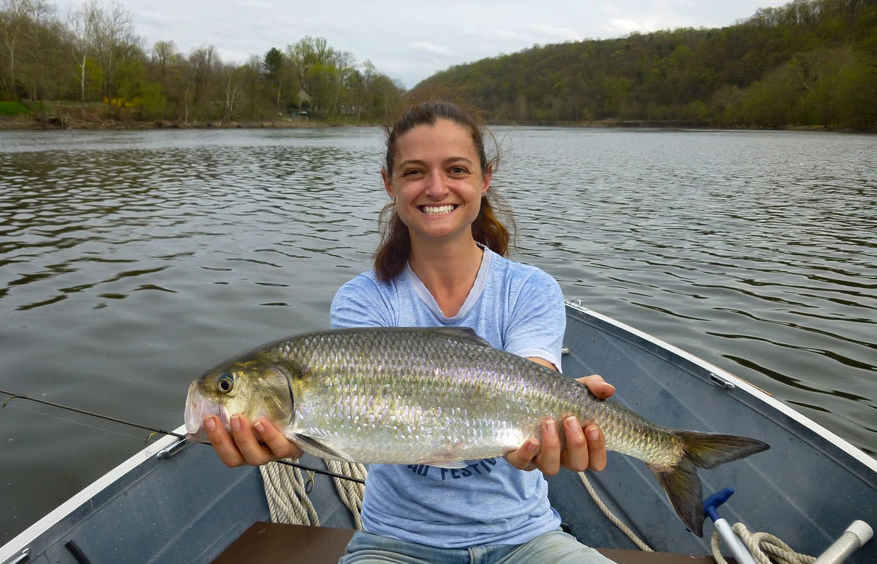
There’s nothing quite like standing in a river current, feeling that sudden strike, and watching a silver fish leap across the water.
Shad Fishing FAQ
What are the best shad fishing techniques for beginners?
Casting small jigs or spoons across the current and letting them drift naturally is one of the easiest and most effective methods.
What lure works best for shad?
Shad darts, small spoons, and curly-tail grubs are among the most popular lures for targeting shad.
What time of year is best for shad fishing?
Spring is the prime season because shad migrate into rivers to spawn during this time.
Can you catch shad from shore?
Yes. Many anglers catch shad from riverbanks by casting across the current and letting their lure drift through deeper channels.
Do shad fight hard?
Absolutely. Shad are known for their strong runs and frequent jumps, which is why they’re sometimes called the “freshwater tarpon.”