How to Get More Bites When Lure Fishing: Bite Detection Tips
Catching fish on a lure is more active and precise than traditional bait fishing — almost like hunting rather than setting a trap. Lure fishing requires you to identify and react to every hint of a bite, including the subtle ones that many anglers overlook. Missed bites are some of the biggest reasons anglers go home with less fish than they deserve. By learning to detect bait movements and line changes, you can significantly increase your catch rate.
Stay Fully Focused on Your Line and Rod
One of the simplest but most overlooked tips is to stay mentally engaged while fishing. It’s easy to enjoy the scenery or lose focus — but fish often strike subtly. A sudden line movement, rod tip twitch, or change in lure resistance can all be signs of a bite. Being present and attentive makes you much more likely to notice these small signals.
Learn the Feel of Your Lure
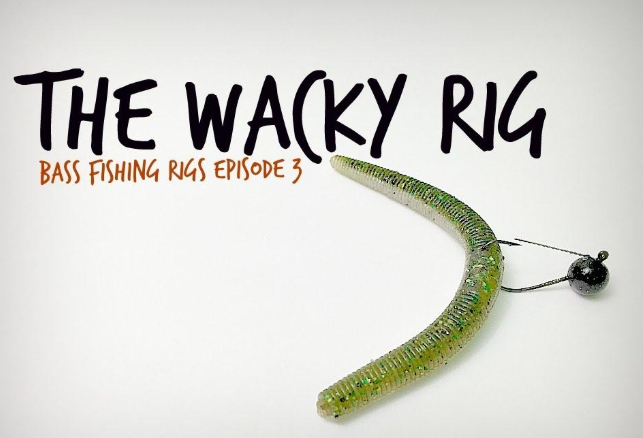
Before you can detect a bite, you must understand how your lure normally feels in the water. Practice “weighing” the lure — feel its movement, vibration, and resistance as you retrieve or hop it. A fish bite often feels different from the lure moving through water or bottom structure: it may suddenly feel lighter, heavier, or exhibit irregular motion. Learning these subtle changes takes practice but leads to more successful hook sets.
Pause and Observe Before Reacting
When you suspect a bite — such as feeling a tug or odd resistance — don’t immediately yank the rod. Your first instinct might be to set the hook, but many bites are so subtle that premature action can miss them. Instead, briefly pause and watch the line or rod tip. If the tension continues or the line moves steadily, that’s often a true bite.
Use Your Fingers to Feel the Line
Experienced anglers sometimes place a finger lightly on the line between the rod and reel to better sense underwater motion, especially when fishing in heavy cover or using slow retrieves. This method skips the confusion of rod and reel components and delivers direct feedback to the hand. You can detect even slight tugs or changes in vibration, which are easy to miss otherwise.
Watch the Line Like a Visual Bite Indicator
The fishing line itself can act like a bite indicator. When there is slack in the line (such as when a lure is falling or on a slack retrieve), a fish strike often pulls the lure suddenly, causing a small but noticeable line jump or movement. Watching the line closely — especially when it’s slack — helps you spot bites that your rod tip or feel alone might not reveal.