How to Find Fish in a Lake: Best Spots and Tips
If you want to know how to find fish in a lake, the short answer is this: stop thinking about the whole lake and start thinking about the small areas fish actually use. Fish are not scattered evenly across open water. Most of the time, they hold around structure, cover, changes in depth, food sources, and places where conditions feel right.
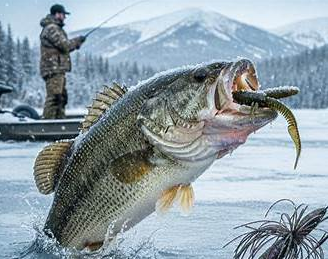
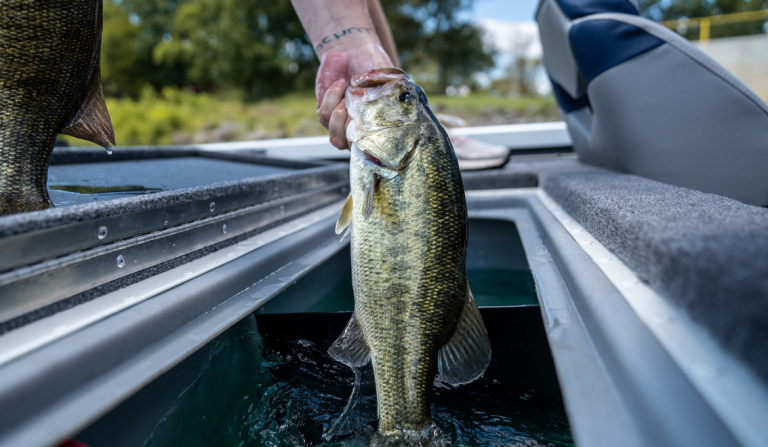
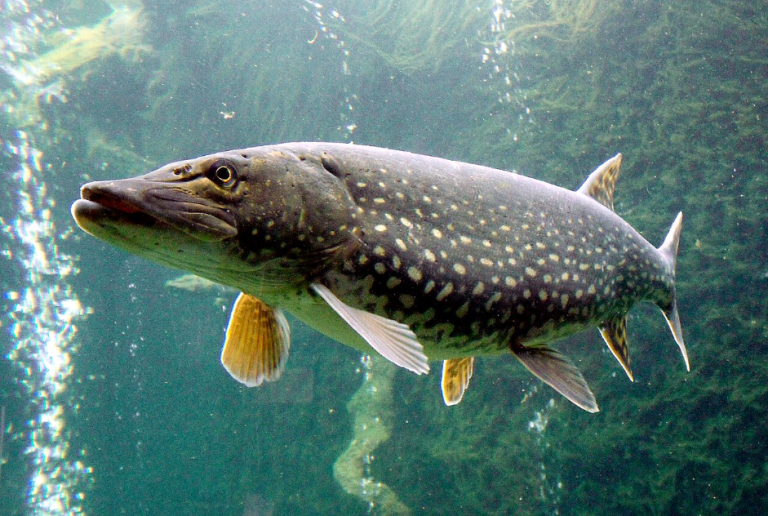
That is true whether you are chasing bass in the US, perch in Europe, pike in a reed-lined bay, or trout in a deep clear lake. The species may change, but the logic stays the same. Good anglers learn to read a lake for fishing, pick out the most likely holding areas, and fish those places with purpose.
Once you get into that mindset, it becomes much easier to find fish in a lake instead of just casting at water that looks nice.
Start by Reading the Lake, Not Just the Surface
The first mistake most anglers make is judging a lake by what they can see on top. A calm bay might look perfect, while a windswept bank looks rough and awkward. But fish care more about what is happening under the surface than what looks pretty from shore.
When I arrive at a new lake, I start by looking for five things:
- Depth changes
- Structure
- Cover
- Wind direction
- Signs of baitfish
Those five clues will tell you far more than random casting ever will.
Lake structure fishing is really about understanding the shape of the bottom. Points, drop-offs, humps, shelves, channels, and flats all create movement routes and feeding zones. Fish use these areas because they offer easy access to food and safety.
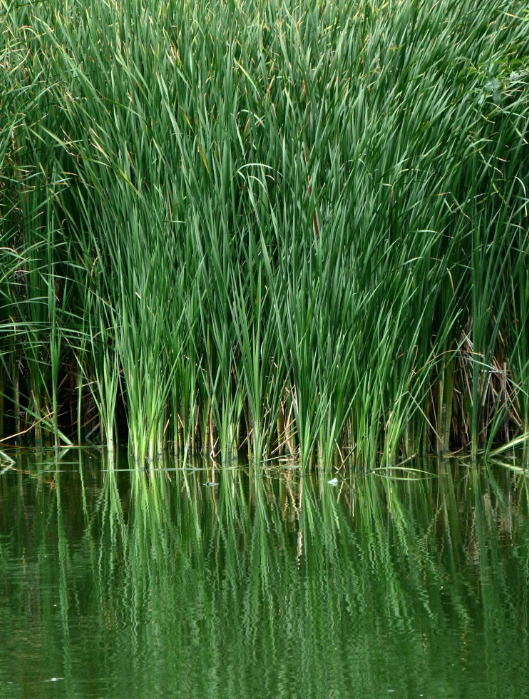
Cover is different from structure. Structure is the shape of the lake. Cover is what sits on it: weed beds, reeds, fallen trees, rocks, docks, lily pads, or brush. Fish often relate to both at the same time. A clean drop-off is good. A drop-off with weeds or rock on it is usually better.
If you are trying to figure out where to find fish in a lake, start with places that give fish a reason to be there.
The Best Lake Fishing Spots Usually Have Three Things
The most reliable lake fishing spots tend to combine three basic ingredients:
- Food
- Safety
- Comfort
Fish want somewhere they can feed without burning too much energy, while still having quick access to deeper water, shade, cover, or stable conditions.
A shallow flat on its own may hold very little. But a shallow flat next to a weed edge, with baitfish flickering over it in low light, can be alive with fish. A steep rocky bank may look plain at first glance, but if it drops into deeper water and the wind is pushing onto it, it can become a very high-percentage area.
That is why experienced anglers do not just ask, “Where should I cast?” They ask, “Why would fish use this spot today?”
Points and drop-offs
A point is one of the first places I check on any lake. Fish use points like underwater roads. They move along them between deep and shallow water, especially during feeding windows.
The tip of a point can be good, but do not ignore the sides. Predator fish often sit slightly off the edge, waiting for bait to pass through. On clear lakes, fish may stay deeper along the break. On coloured water, they may push shallower.
Drop-offs are just as important. Any sudden change in depth gives fish the option to hold comfortably and move up to feed when conditions are right. That is a classic answer to where to find fish in a lake.
Weed edges and reed lines
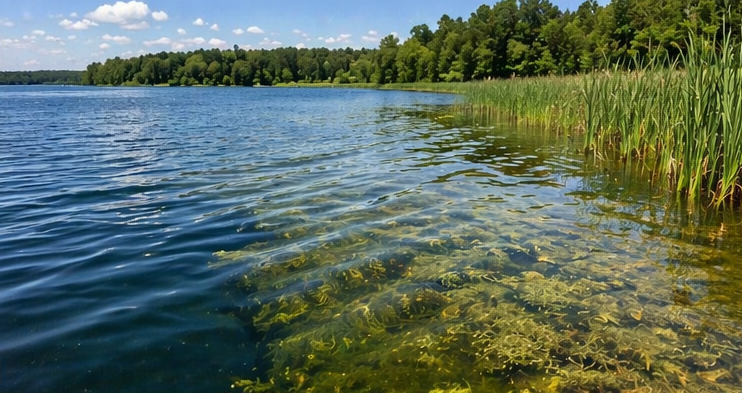
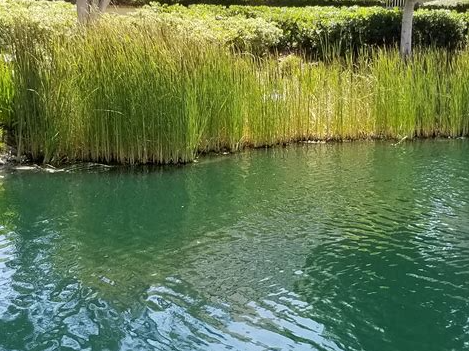
Weeds hold life. They shelter insects, fry, baitfish, and small predators. The outside edge of a weed bed is often one of the best places to find fish in a lake, especially in late spring, summer, and early autumn.
Reed lines work much the same way, especially for pike, perch, bass, and other ambush feeders. Fish do not always sit buried in the cover. Quite often, the better fish hold just off the edge where they can attack moving prey.
Channels, humps, and underwater highs
In larger lakes and reservoirs, old channels and subtle underwater rises can be brilliant. They may not be obvious from the bank, but they often hold fish year after year. If you have a map, sonar, or even a rough idea of the lake basin, these are prime targets.
A hump or underwater bar in the middle of open water can look like nothing from above, but below the surface it is a feeding station.
How Wind, Light, and Weather Change Fish Location
One of the biggest breakthroughs in learning how to find fish in a lake is realizing that fish location shifts with conditions.
Wind is often a friend. It pushes food, stirs up the water, and concentrates bait. On many days, the windward bank will outfish the sheltered side. I have had plenty of sessions where the quiet side of the lake looked inviting, but the rough side held all the activity.
Light matters too. In low light, fish are usually more confident and willing to move shallow. Early morning, evening, and overcast conditions often bring fish onto flats, margins, and feeding shelves. Bright midday sun tends to push them tighter to cover, deeper breaks, docks, trees, or weed shadows.
Water clarity changes things as well. In clear lakes, fish may hold deeper and be more cautious. In stained water, they may sit shallower and use heavier cover.
When anglers struggle to read a lake for fishing, it is often because they keep fishing yesterday’s pattern instead of today’s conditions.
Fish Move With the Seasons
Season is one of the strongest clues when deciding where to find fish in a lake.
Spring
As water warms, fish move toward shallower, more active zones. Protected bays, darker-bottom areas, reed margins, and newly growing weeds are all worth checking. These areas warm faster and attract life early.
This is a great time to cover water and look for fish using shallow structure near deeper access. You may find perch gathering in small groups, pike patrolling edges, or bass moving into pre-spawn areas.
Summer
Summer fish can be spread out, but they still follow logic. Early and late in the day, many species feed shallow. When the sun gets high, they often slide out to deeper structure, thicker weeds, shade, or areas with more oxygen.
In summer, I pay close attention to:
- Deep weed lines
- Shade from trees, docks, or steep banks
- Windblown points
- Baitfish activity
- Areas where shallow water connects quickly to depth
If you are fishing from the bank, this matters even more. Rather than covering a huge shoreline, focus on the places where shallow and deep water meet.
Autumn
Autumn is one of the best times to find fish in a lake because fish are often feeding hard before winter. Baitfish school up, and predators follow.
This is the season when lake structure becomes even more important. Points, channels, steep breaks, and mid-lake features can all come alive. If you find the bait, you often find the fish nearby.
Winter
Winter usually means slower fish and more stable holding areas. Deep basins, steep edges, remaining green weed patches, and areas with consistent temperature are often better than large shallow zones.
You normally need to slow right down. Fish are still there, but they are less likely to chase far.
Bank Fishing, Boat Fishing, and Kayak Fishing Tactics
The basics stay the same, but how you approach a lake changes depending on how you fish.
Bank fishing
Bank anglers often think they are limited, but plenty of fish are caught from shore by simply choosing better water. Do not just fish the closest open area. Look for access to points, corners, inflows, reed edges, marina walls, deeper margins, and places where the bank drops quickly.
A good bank spot is one where fish can move close without exposing themselves too much.
Boat fishing
A boat lets you follow contours, work offshore structure, and stay on top of fish movement. That is a huge advantage in lake structure fishing. It also allows you to fish break lines properly instead of only from the shoreline angle.
Still, a boat only helps if you use it well. Plenty of anglers drift over empty water. Start with likely structure, then expand.
Kayak fishing
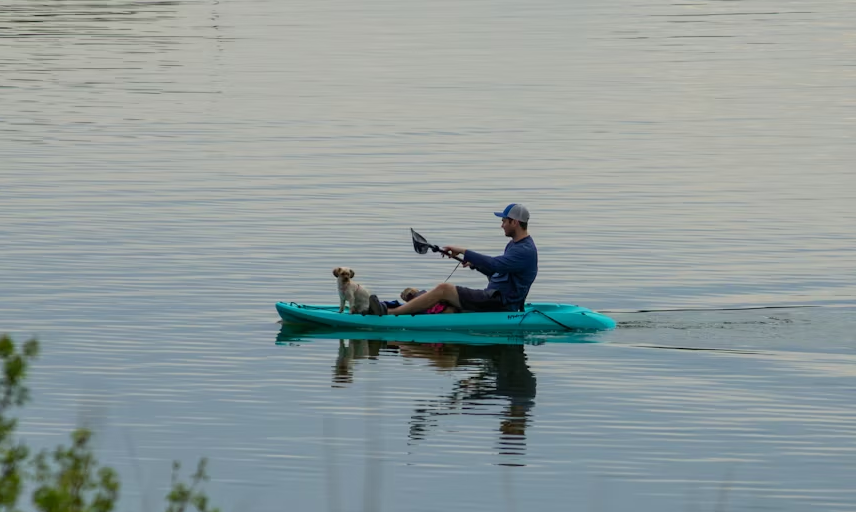
Kayaks are brilliant for quietly working weed edges, shallows, and smaller lakes. You can slip into places that larger boats cannot. Just stay organized and fish methodically. A kayak makes it easy to cover water, but the temptation is to keep moving too fast.
Practical Signs That Fish Are Nearby
Sometimes the lake tells you more than any map.
Watch for:
- Baitfish dimpling or scattering
- Birds diving or hovering over feeding activity
- Swirls, boils, or follows near cover
- Weed edges meeting open water
- Wind pushing into one shoreline
- Inflows bringing cooler or fresher water
- Colour changes in the water
- Sudden depth changes near the bank
I always trust visible life. If a part of the lake looks dead, it often is. If you see movement, bait, or feeding signs, slow down and fish the area properly.
Common Mistakes When Trying to Find Fish
A lot of anglers make the same few mistakes.
The first is fishing too much empty water. They cast where it is easy, not where fish actually want to be.
The second is ignoring depth. If you do not know whether fish are holding shallow, mid-depth, or deep, you are guessing.
The third is staying too long in a poor area. Confidence is good, but stubbornness is expensive in fishing. If a spot has no signs of life and no good reason to hold fish, move.
Another common mistake is focusing only on cover and forgetting structure. A dock is nice. A dock sitting beside a drop-off is much better. A weed bed is good. A weed bed with a clean outside edge and nearby depth is far better.
Final Tips for Finding More Fish in a Lake
If you want to get better at how to find fish in a lake, build a simple routine every time you arrive.
Start by asking:
- Where is the nearest depth change?
- Where is the best cover?
- Which bank is getting the wind?
- Where would baitfish gather?
- How are season and light affecting fish position?
Then fish the best-looking water with purpose.
You do not need to solve the whole lake in one go. Find one productive zone, understand why it is working, and look for similar areas elsewhere. That is how patterns are built, and patterns are what turn average anglers into consistent ones.
The biggest shift comes when you stop thinking of a lake as one huge piece of water and start seeing it as a network of feeding lanes, holding spots, ambush points, and safe routes. Once you learn to read a lake for fishing, the lake starts making a lot more sense.
And when that happens, you stop hoping fish are in front of you. You start knowing why they should be.